
October 2024. During a week-long whistle-stop tour of Germany, we visit Dessau-Roßlau in Saxony-Anhalt, Weimar in Thuringia, Coburg in Upper Franconia (Bavaria) and Kassel in Hesse. Smaller cities, yes. But each with their own significance. Untouched by overtourism. We’re avoiding using the white trains of DB Fernverkehr, Deutsche Bahn‘s long-distance section and opt to use the red trains of DB Regio and other regional operators.
We spent Friday afternoon in the Bad Wilhelmshöhe neighbourhood and a full next day, Saturday, in the centre of Kassel. We visited GRIMMWELT, the Brothers Grimm museum, the Technik-Museum Kassel and the Stadtmuseum Kassel city museum. But we also just walked around.
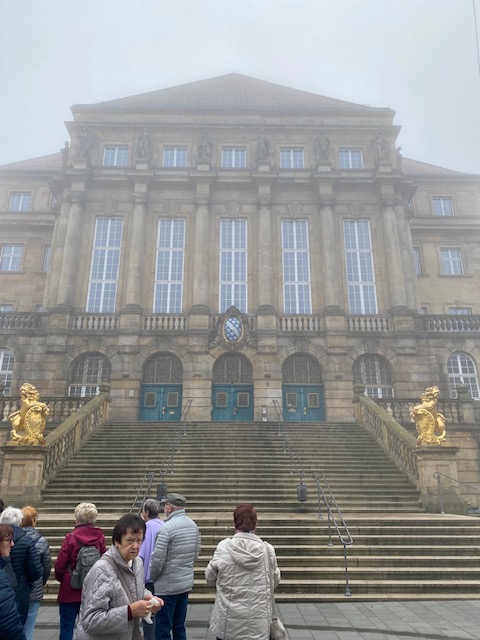


Introducing Kassel
Kassel, formerly spelled Cassel until 1926, is a city located on the Fulda River in northern Hesse (Hessen), central Germany. It serves as the administrative seat of the Regierungsbezirk Kassel and the district bearing the same name. As of December 2020, its population was 201,048.
Kassel was historically the capital of Hesse-Kassel and boasts a wealth of palaces and parks, including the Bergpark Wilhelmshöhe, a UNESCO World Heritage Site.
It is also renowned for hosting the Documenta exhibitions of contemporary art.
The city is home to a public university, which had 25,000 students in 2018, and a multicultural demographic, with 39% of its citizens having a migration background in 2017.




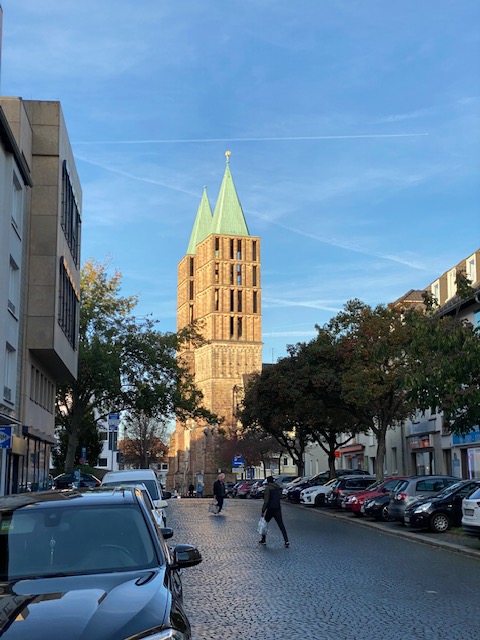
History of Cassel / Kassel
Kassel’s first recorded mention dates back to 913 AD, when it appeared as Chasella or Chassalla, a fortification at a Fulda River crossing. The name’s origin remains uncertain but may derive from the Roman-era Castellum Cattorum (castle of the Chatti tribe) or from Frankish words meaning ‘hall in a valley’.
In 1189, a deed confirmed Kassel’s city rights, though the exact date of their granting is unknown. A castle was built in 1277, later replaced by the Renaissance-era Kassel City Palace, which was destroyed by fire in 1811.
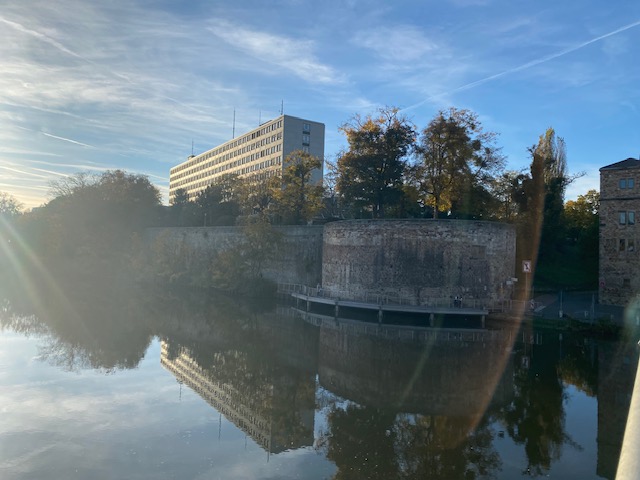
Kassel became the capital of Hesse-Kassel in 1567 and a centre of Calvinist Protestantism. Fortifications were constructed to defend the Protestant stronghold, and secret societies like Rosicrucianism thrived.
In 1685, the city provided refuge to 1,700 Huguenots. Landgrave Charles, responsible for this humanitarian act, also oversaw the construction of the Oktogon and Hercules Monument, and the Orangerie.
Hesse-Kassel gained notoriety in the late 18th century for hiring out mercenaries to the United Kingdom during the American Revolution to finance the construction of palaces and the opulent lifestyle of its rulers.
The Brothers Grimm lived in Kassel during the early 19th century, compiling their famous fairy tales there.
In 1803, Hesse-Kassel became a principality, briefly annexed by Napoleon to form the Kingdom of Westphalia under his brother Jérôme. It reverted to an electorate in 1813 but was annexed by Prussia after siding with Austria in the Austro-Prussian War of 1866. Kassel then developed into an industrial hub and major railway junction.
During World War II, Kassel housed key military installations and arms factories. The city suffered devastating bombing raids in 1943, which destroyed 90% of its centre and killed 10,000 people. It was captured by US forces in April 1945 after intense fighting.
Post-war reconstruction focused on modern styles, leaving only a few historical buildings restored.


Geography and administration
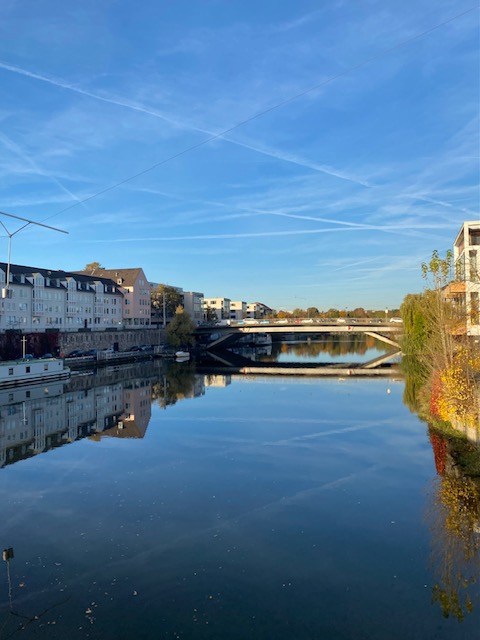
Kassel is situated in north Hesse, about 70 km northwest of Germany’s geographic centre. It lies on both sides of the Fulda River, with its lowest point in the northeastern Fulda Valley at 132.9 metres above sea level. The city comprises 23 districts, each with its own local council. Surrounding municipalities include Vellmar, Fuldatal and Kaufungen.







Culture and landmarks
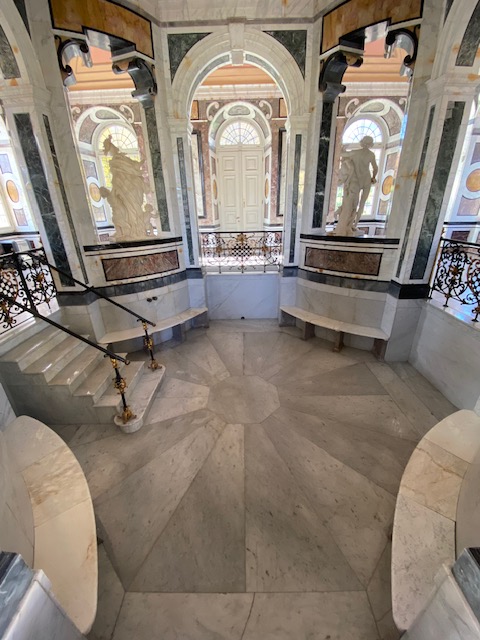
Kassel is a cultural hub, hosting the international Documenta art exhibition every five years. Landmarks include Bergpark Wilhelmshöhe, home to Wilhelmshöhe Palace, the Hercules Monument, and the Löwenburg (Lions Castle). The park, recognised as a UNESCO World Heritage Site, features stunning cascades and fountains.
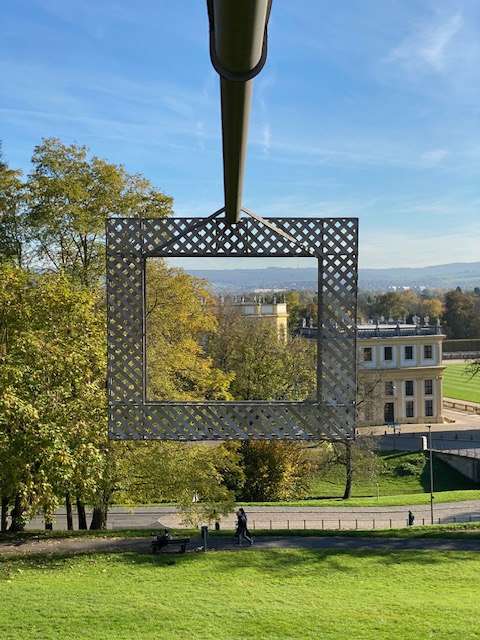
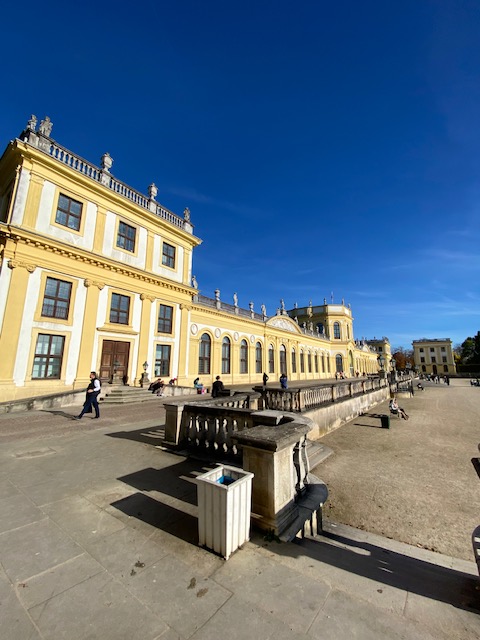
The Karlsaue Park, another significant green space, houses the Orangerie, a baroque palace now functioning as a museum of astronomy and technology. Kassel also boasts Europe’s first public museum, the Museum Fridericianum, established in 1779.


Economy and transport
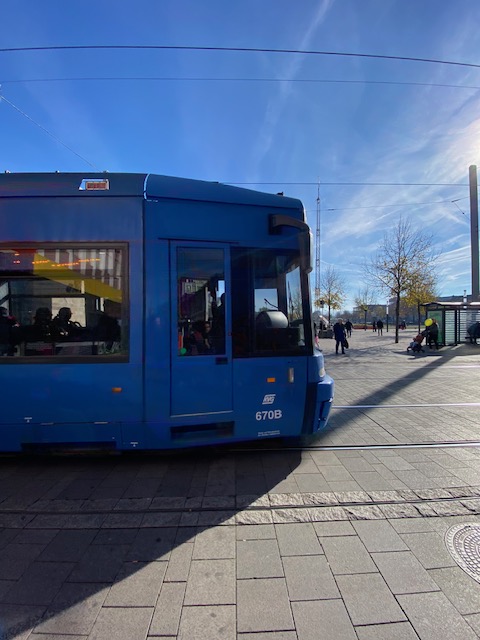
Kassel is home to major companies like Volkswagen, Mercedes-Benz and Rheinmetall. It has a robust transport network, including trams, buses, and regional trains.
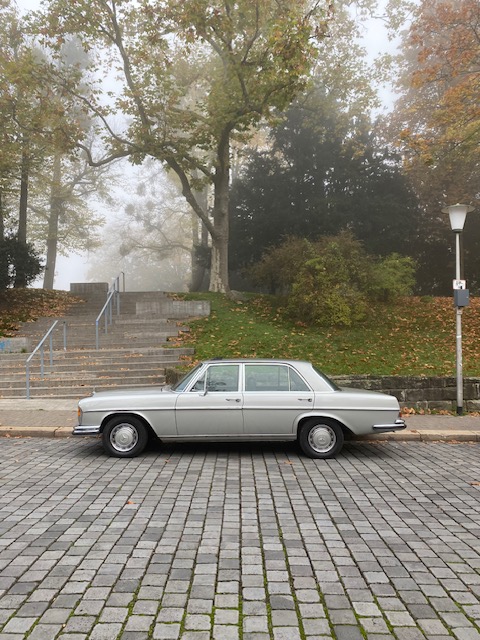
Kassel-Wilhelmshöhe Railway Station, a key stop on Germany’s high-speed rail network, serves as the city’s main railway hub.
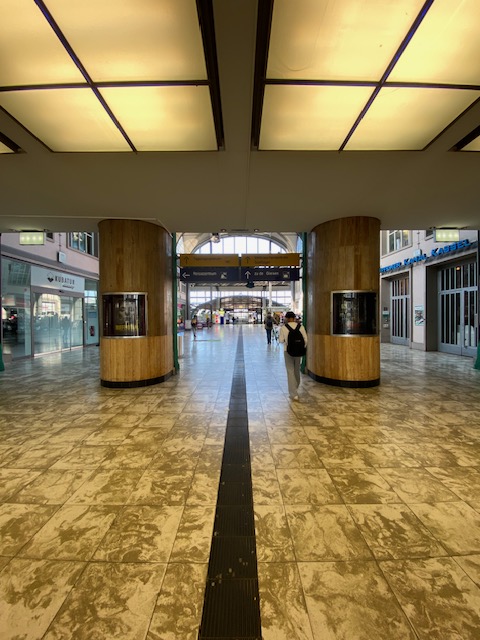
Kassel HBf or Kassel Hauptbahnhof or Kassel Main Station is nót the city’s main station. It now hosts a light trail, ‘train tram’, which partially uses train tracks.
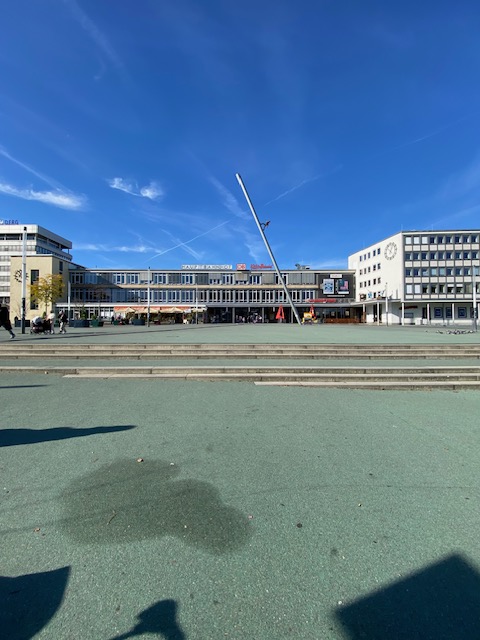
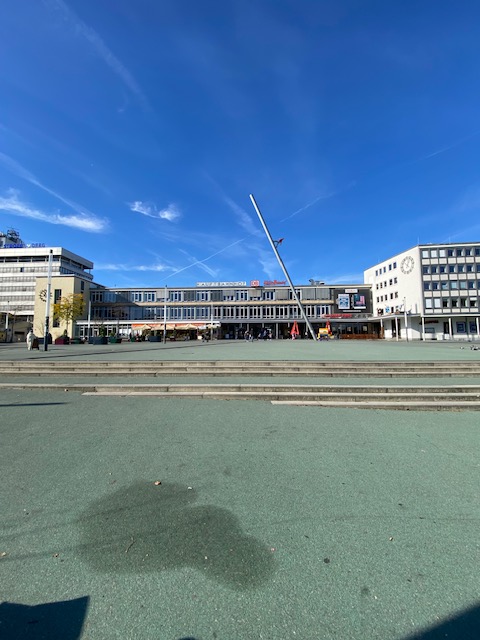
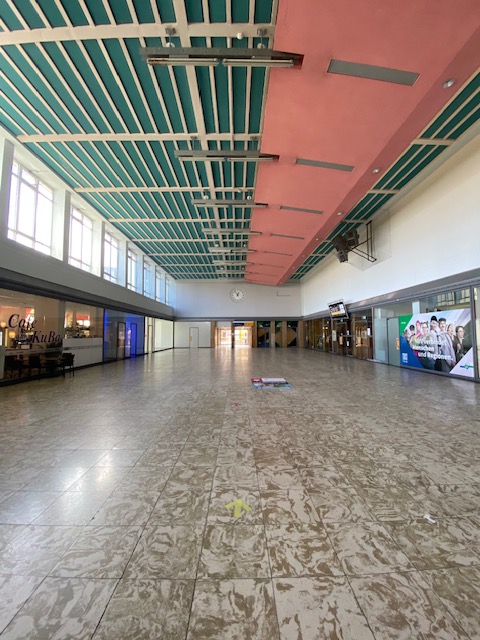


Education
The University of Kassel, founded in 1971, offers a diverse range of programmes, including several English-taught master’s degrees. It is known for innovative teaching models and hosts international programmes like the Summer and Winter Universities. The Kunsthochschule Kassel, the university’s fine arts college, complements its offerings.
Kassel’s combination of rich history, cultural significance, and modern development makes it a prominent city in central Germany.

A day in Kassel
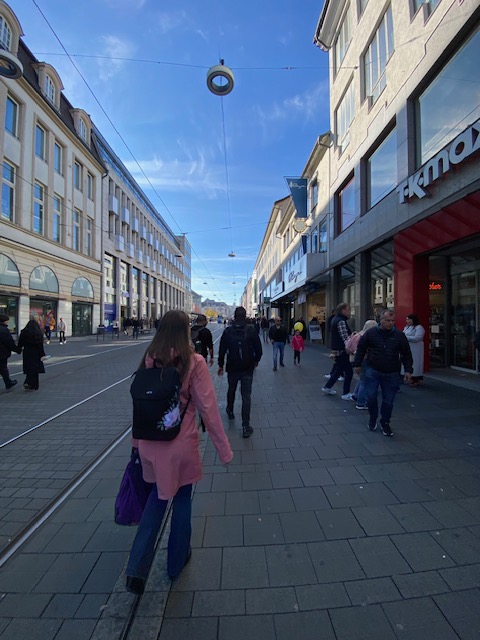
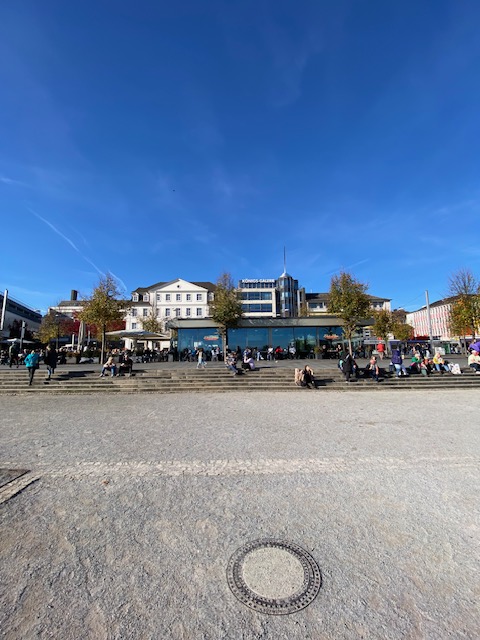
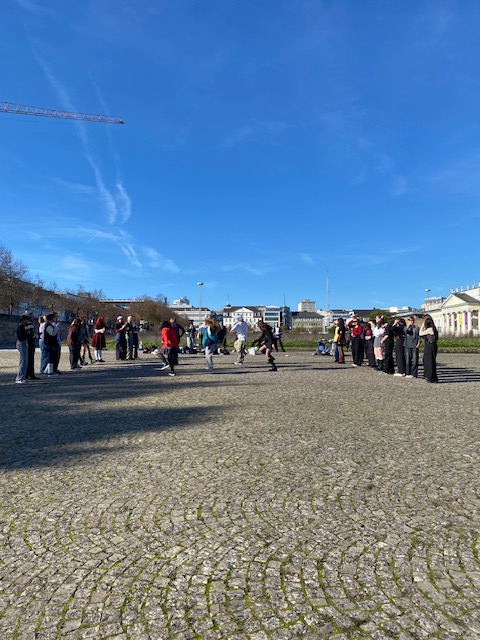
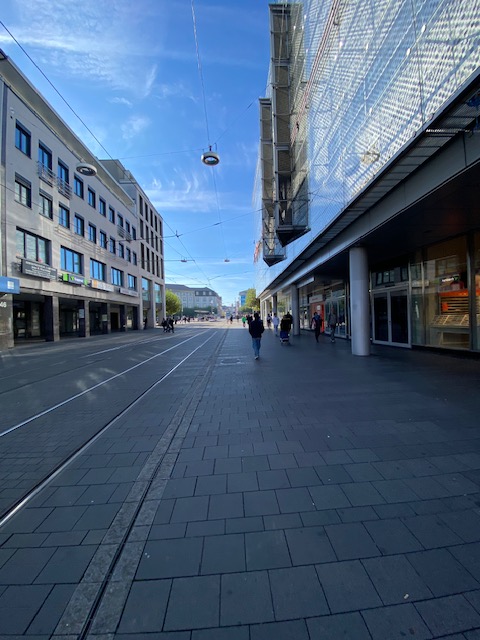
Our day in Kassel started misty, but around midday, the sun came chased the greyness away. It was a lovely autumn Saturday. Although being a Saturday, crowds showed quite late in the morning.
Kassel is a good example of a German city which was almost completely destroyed during World War II, mixing some surviving landmarks, reconstructed mandmarks and ‘new’ landmarks.
Again, our estimate was good. 1.5 day(s) in Kassel is enough to get a sense of the city. We are ‘fast travellers’.

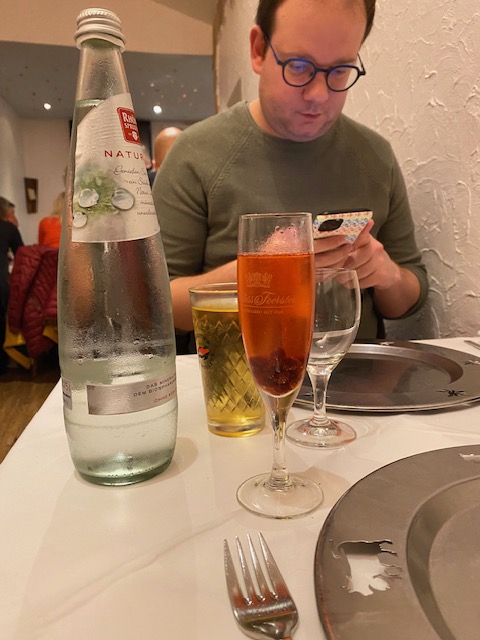
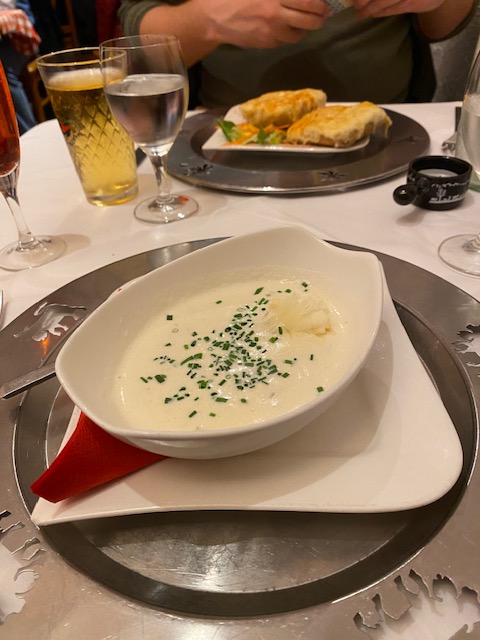


By the way: food
And to eat? The Friday in Bad Wilhelmshöhe we dined at Brauhaus zum Rammelsberg.
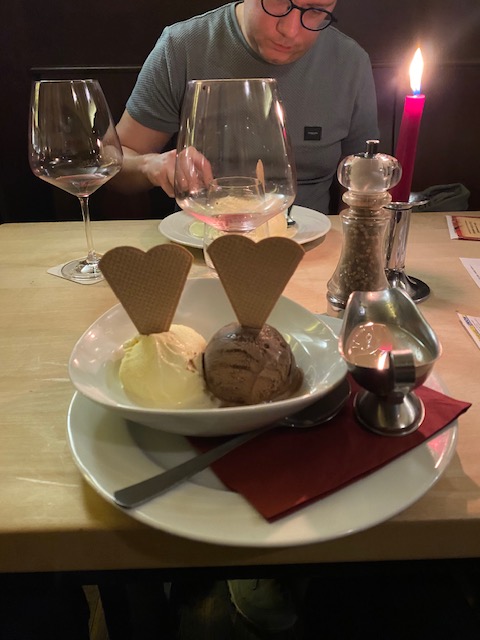
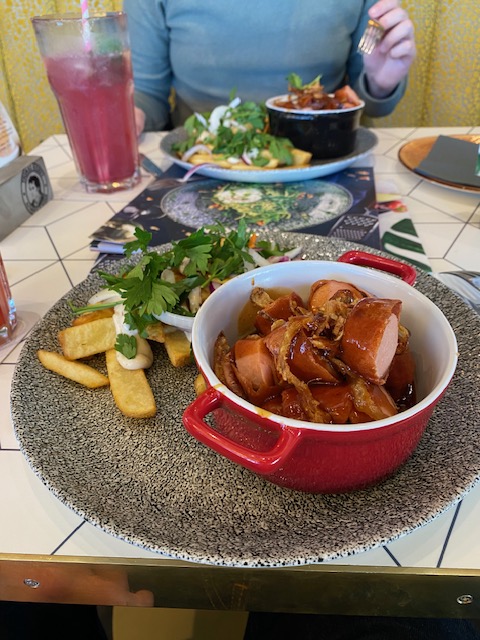
On Saturday we lunched at fast casual chain Alex and we dined at a Swiss restaurant near our hotel, the Matterhorn-Stübli. Because we love cheese and chocolate.
Dessau – Weimar – Coburg – Kassel 2024
- REVIEW | European Sleeper night train.
- GERMANY | Bauhaus in Dessau.
- DESSAU | Technikmuseum Hugo Junkers Engineering Museum.
- REVIEW | Radisson Blu Fürst Leopold Hotel Dessau.
- SAXONY-ANHALT | A day in Dessau.
- GERMANY | Bauhaus in Weimar.
- GERMANY | Weimar Classicism, the Wittumspalais of Duchess Anna Amalia and the Weimar Haus Experience.
- GERMANY | The ‘Weimar’ in Weimar Republic.
- REVIEW | Hotel Elephant Weimar.
- THURINGIA | A day in Weimar.
- COBURG | Ehrenburg Palace.
- FRANCONIA | Veste Coburg.
- REVIEW | Ibis Styles Coburg.
- FRANCONIA | Coburg, cradle of crowns.
- KASSEL | Bad Wilhelmshöhe ft. Bergpark, Palace, Löwenburg and Hercules.
- REVIEW | FischerS hotel Kassel.
- KASSEL | GRIMMWELT Brothers Grimm museum.
- HESSE | Technik‐Museum Kassel.
- HESSE | Stadtmuseum Kassel city museum.
 Trip By Trip
9 Comments Add yours