
To celebrate his graduation as a therapist and before starting his new career, Oscar from Denver in Colorado decided to take a vacation and travel to London on his own. Oscar and I have known each other for two years, but we never actually met in person. Until in June 2024. His vacation presented an opportunity to finally meet, so I booked a day trip on the Eurostar from Brussels to London and show him the essentials of the capital of the United Kingdom of Great Britain and Northern Ireland.
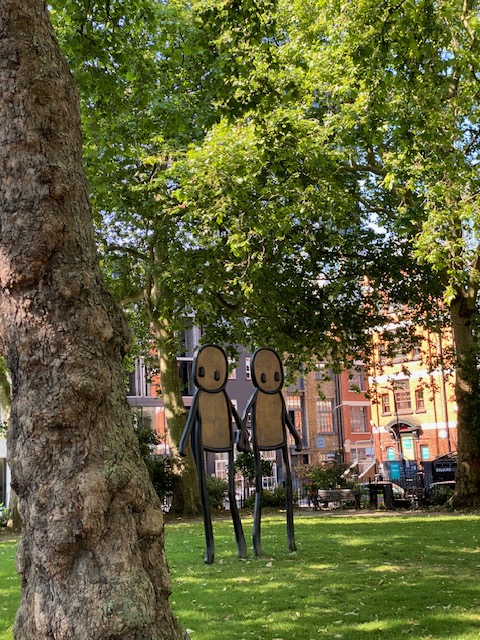
It was Oscar’s first time in London. And not only was it his first time, it was also his first full travel day. So I asked what he wanted to do and see that day. His wish list consisted of some of the must-see highlights of the British capital. Original? No? But the sights and sites you just need to have seen at least once. I met up with Oscar at Hoxton Square, where he stayed.





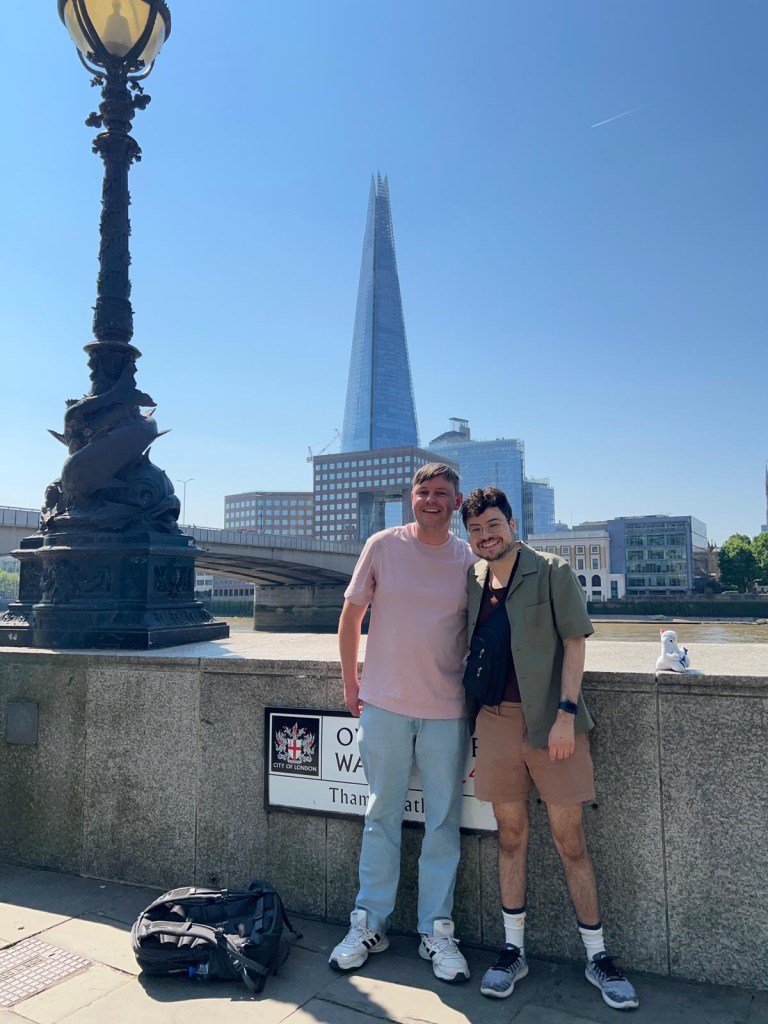
The Shard
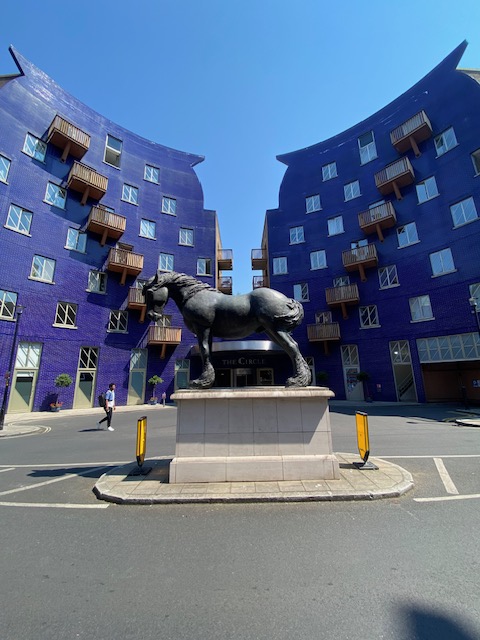
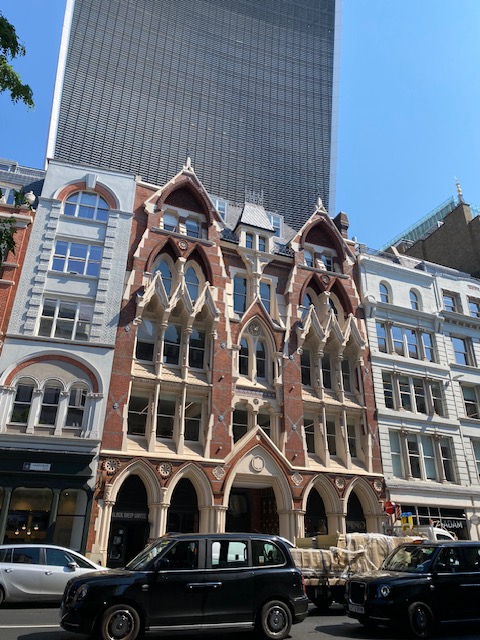
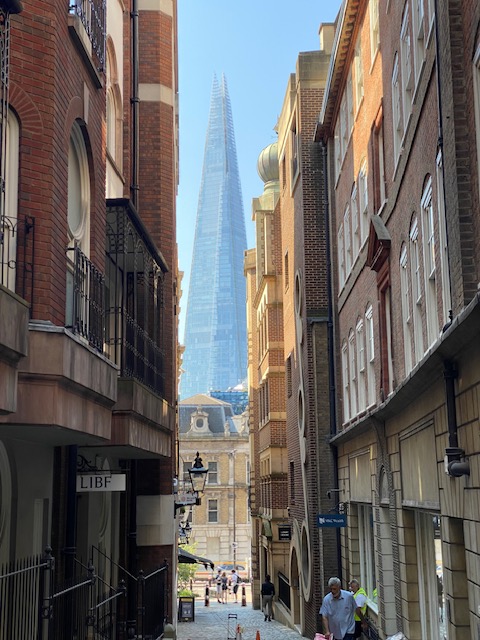
High on the wis list was The Shard. It has a connection with Duraludon, a Pokémon.
The Shard, officially known as the Shard of Glass, this 95-story tower reaches a height of 310 meters (1,016 feet), making it the tallest building in the United Kingdom and the seventh tallest in Europe. Located in the London Bridge area, it was designed by the renowned Italian architect Renzo Piano and developed by Sellar Property Group in collaboration with the State of Qatar.
The construction of the Shard began in March 2009 and was completed in July 2012, coinciding with the London Olympic Games. The building’s design was inspired by the spires of London’s churches and the masts of tall ships, reflecting its historical surroundings. Its sleek, glass façade tapers off into the sky, creating a striking presence on the London skyline.
The Shard is a mixed-use development that houses offices, restaurants, a hotel, residential apartments, and a public viewing gallery. The lower floors are dedicated to office space, while the mid-section features several high-end restaurants offering panoramic views of the city.
The Shangri-La Hotel, occupying levels 34 to 52, provides luxury accommodations with spectacular vistas. The uppermost floors, from 53 to 65, are reserved for exclusive residential apartments.
One of the Shard’s most popular attractions is The View from The Shard, a public observation deck situated on the 68th, 69th, and 72nd floors. It offers visitors breathtaking 360-degree views of London, stretching for up to 40 miles on a clear day.

Borough Market
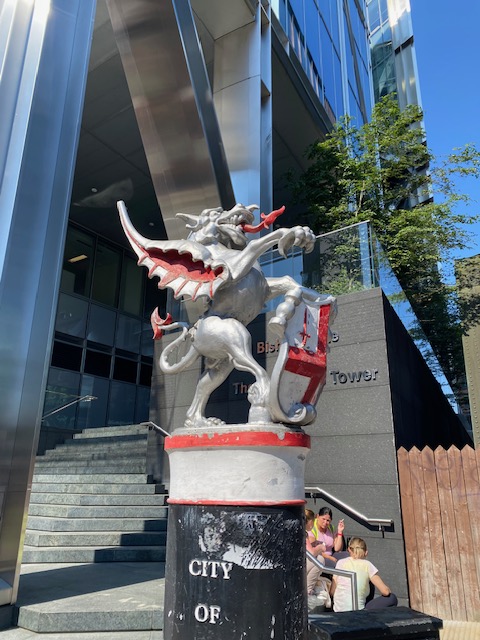
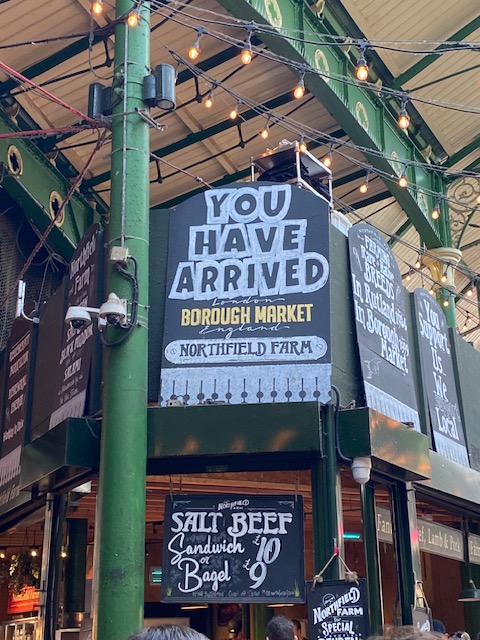
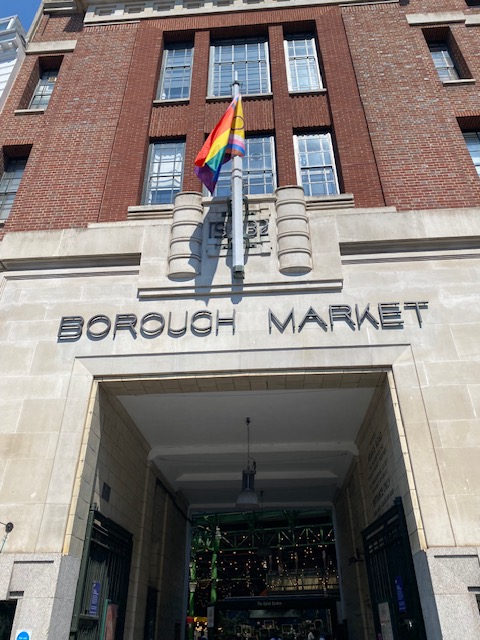
After catching some views of Tower Bridge, we we left the City of London and bumped into the Borough Market.
Borough Market is one of the city’s oldest and most renowned food markets, with a history dating back over a thousand years. Officially established in 1756, the market has evolved into a vibrant culinary hub, attracting both locals and tourists with its diverse array of fresh produce, artisanal goods, and gourmet street food.
The market’s architecture blends historic charm with modern functionality. The iron and glass structure, which dates from the Victorian era, provides a picturesque setting that enhances the shopping experience. The market is open Monday through Saturday, with Thursday to Saturday being the busiest days, when the full range of traders are present.
Borough Market is famous for its wide variety of high-quality foods. Stalls offer an impressive selection of fresh fruits, vegetables, meats, cheeses, seafood, baked goods, and international delicacies. Shoppers can find everything from organic vegetables and hand-made chocolates to exotic spices and rare wines. The market is particularly known for its focus on sustainability and locally sourced products, making it a favorite among those who prioritize ethical consumption.
Beyond shopping, Borough Market is a hotspot for food lovers. It hosts numerous food stalls and pop-ups serving an eclectic mix of cuisines. Visitors can savor everything from traditional British fare and European pastries to Middle Eastern street food and Asian delicacies. Popular vendors include Kappacasein Dairy with their famous grilled cheese sandwiches and Brindisa with their authentic Spanish tapas.
Borough Market also serves as a cultural venue, hosting cooking demonstrations, workshops, and events that celebrate food culture. Its vibrant atmosphere, rich history, and commitment to quality make it a must-visit destination for anyone exploring London.
It shows. Borough Market was busy. Although I’ve seen worse. We looked at grabbing something to eat, but there weren’t sit-down options that appealed to us. So we didn’t.



The Tower and Tower Bridge
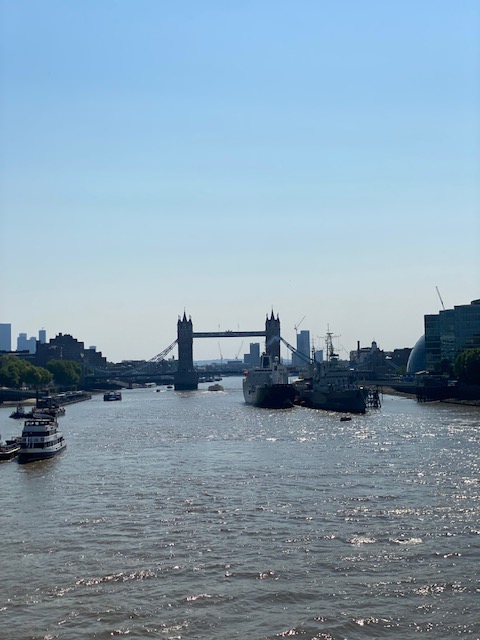
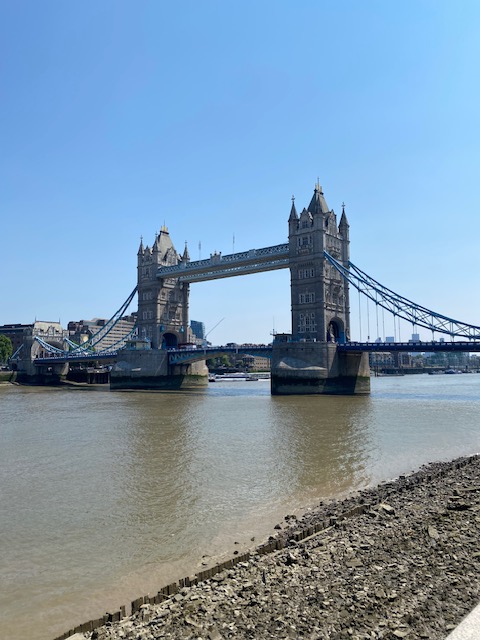
We decided to walk towards Westminster. On our way, we got a closer look at the Tower of London and Tower Bridge.
The Tower of London, a historic fortress located on the north bank of the River Thames, was founded by William the Conqueror in 1066. Over the centuries, it has served variously as a royal palace, a prison, an armory, and a treasury. Today, it is best known as the home of the Crown Jewels, a dazzling collection of regalia used in British coronations.
The Tower is also famous for its Yeoman Warders, known as Beefeaters, who provide guided tours filled with tales of intrigue and history. Visitors can explore the White Tower, the oldest part of the complex, and walk along the ancient walls, enjoying panoramic views of the river and the city.

Tower Bridge, located just downstream from the Tower of London, is an iconic symbol of London and a marvel of Victorian engineering. Completed in 1894, the bridge features two massive towers connected by walkways and a pair of bascule (draw) bridges that can be raised to allow ships to pass. The bridge’s striking Gothic design and its blue and white color scheme make it instantly recognizable.
Visitors can tour the Tower Bridge Exhibition, which includes a visit to the high-level walkways with glass floors offering unique views of the Thames below, and the Victorian engine rooms that once powered the bridge lifts.
BFI Imax – Waterloo Station – London Eye
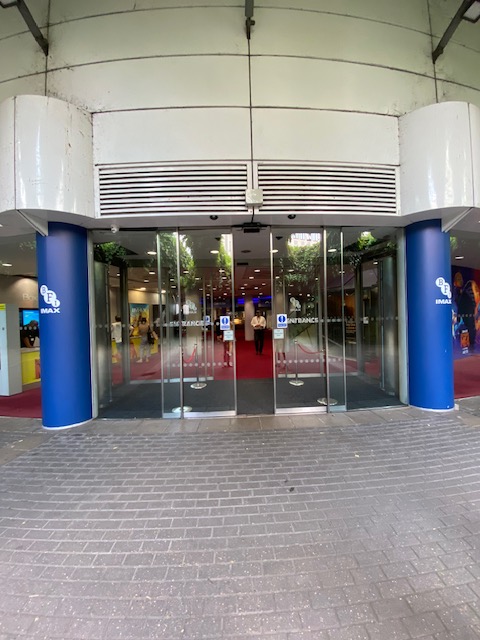
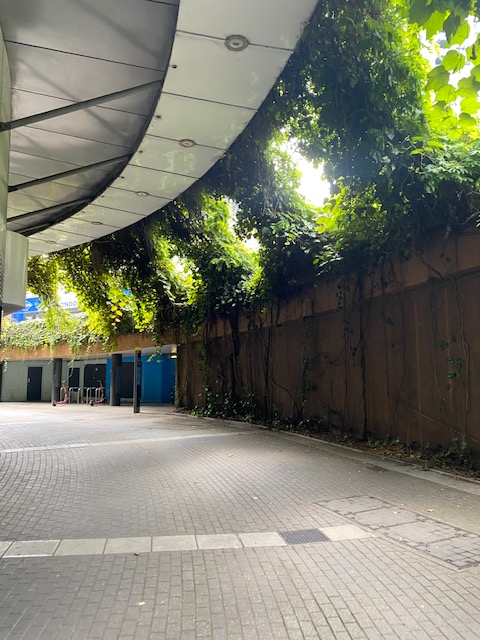
On our way to Westminster, we bumped into BFI Imax, which boasts the largest screen in the UK. Its architecture is also striking.
After a look at Waterloo Sation, where the Eurostar terminal used to be, we walked to the London Eye.

The London Eye, an iconic fixture on the London skyline, is one of the world’s tallest observation wheels and a premier tourist attraction in the United Kingdom.
Officially opened to the public in March 2000, the London Eye stands at 135 meters (443 feet) high on the South Bank of the River Thames, opposite the Houses of Parliament and Big Ben. This striking structure was designed by architects David Marks and Julia Barfield to mark the new millennium and has since become a symbol of modern London.
The London Eye features 32 sealed and air-conditioned capsules, each representing one of the London boroughs. These capsules, which can hold up to 25 people, offer a comfortable and secure environment from which visitors can enjoy unparalleled 360-degree views of the city. A complete rotation takes about 30 minutes, allowing ample time to spot iconic landmarks such as St. Paul’s Cathedral, Buckingham Palace, and the Tower of London.
As Europe’s largest cantilevered observation wheel, the London Eye offers a unique perspective on the city’s landscape. The experience is further enhanced by the gradual movement of the wheel, providing a smooth and tranquil journey above London.
On a clear day, visibility extends up to 25 miles, offering breathtaking views that are particularly spectacular at sunset or after dark when the city lights up.
The London Eye is not just an observation wheel but a cultural landmark. It has been featured in numerous films, television shows, and is a popular site for special events, including New Year’s Eve fireworks displays.
The attraction is also known for its occasional themed experiences, such as the popular Valentine’s Day and Halloween capsules, providing memorable experiences tailored to different occasions.
The London Eye continues to attract millions of visitors each year, drawn by the promise of an unforgettable view of one of the world’s most dynamic cities.

Palace of Westminster
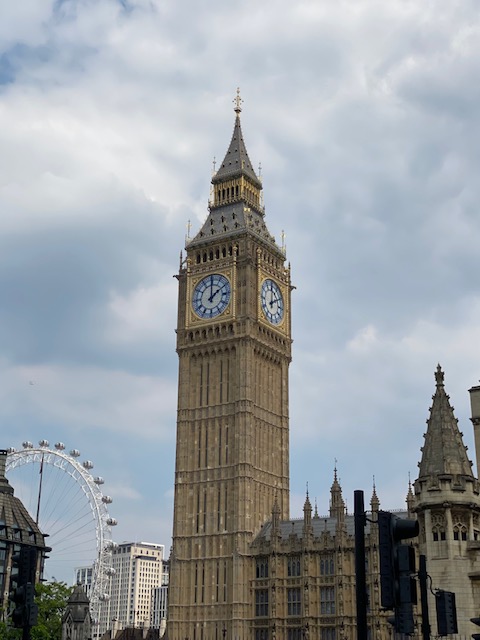
Not far away are Westminster Bridge, the Palace of Westminster and Big Ben. Landmarks of landmarks, for sure.
Together, Westminster Bridge, the Palace of Westminster, and Big Ben form a striking ensemble that represents the political heart of the United Kingdom and one of the most recognizable skylines in the world.
Completed in 1862, Westminster Bridge spans the River Thames, connecting the Palace of Westminster on the west side to the eastern South Bank. Designed by engineer Thomas Page and architect Sir Charles Barry, the bridge is known for its elegant Gothic-style detailing, which harmonizes with the architectural style of the nearby Palace of Westminster.
Painted in green, the bridge’s color complements the leather seats in the House of Commons, which sits in the same complex. Westminster Bridge is a vital pedestrian and vehicular link, offering spectacular views of the London Eye to the south and the historical grandeur of Westminster to the north. It has been an enduring symbol of the city’s resilience, especially notable in the aftermath of the terrorist attack in 2017, which highlighted its significance as a public thoroughfare.

The Palace of Westminster, also known as the Houses of Parliament, serves as the meeting place for the two houses of the UK Parliament: the House of Commons and the House of Lords. The current Gothic Revival building, designed by Sir Charles Barry and Augustus Pugin, was constructed between 1840 and 1876 after a devastating fire in 1834 destroyed much of the original structure. The palace is a masterpiece of 19th-century architecture, characterized by its intricate stone carvings, spires, and statues.
The site has been of political importance since the Middle Ages, with the original Westminster Hall, built in 1097 under William II, still standing as one of the oldest parts of the complex. Westminster Hall has witnessed significant historical events, including the trials of Guy Fawkes and King Charles I, and more recently, the lying-in-state of monarchs and dignitaries.
The Palace of Westminster is not only a working government building but also a UNESCO World Heritage Site, drawing visitors from around the world. Guided tours offer insights into the UK’s political system and the rich history embodied within its walls. Highlights include the majestic Central Lobby, the debating chambers of the Commons and Lords, and the lavishly decorated Royal Gallery.

Often mistakenly referred to as the clock tower itself, Big Ben is actually the nickname for the Great Bell housed within the Elizabeth Tower at the north end of the Palace of Westminster. The tower, completed in 1859 and originally called the Clock Tower, was renamed the Elizabeth Tower in 2012 in honor of Queen Elizabeth II’s Diamond Jubilee.
Designed by Augustus Pugin, the Elizabeth Tower is 96 meters (315 feet) tall and features a neo-Gothic style that complements the Palace of Westminster. The clock faces are set in an iron frame, and the clock mechanism was designed by Edmund Beckett Denison and George Airy, making it one of the most accurate public clocks in the world.
Big Ben’s distinctive chimes have become synonymous with the UK, marking the passage of time with a reliability and precision that is both practical and symbolic. The sound of Big Ben is broadcast around the world on BBC Radio, making it a familiar auditory landmark as well.
The tower underwent significant restoration from 2017 to 2022, ensuring its structural integrity and preserving its historical features. During this time, Big Ben’s chimes were silenced for extended periods, marking a poignant pause in its long history.

Westminster Abbey
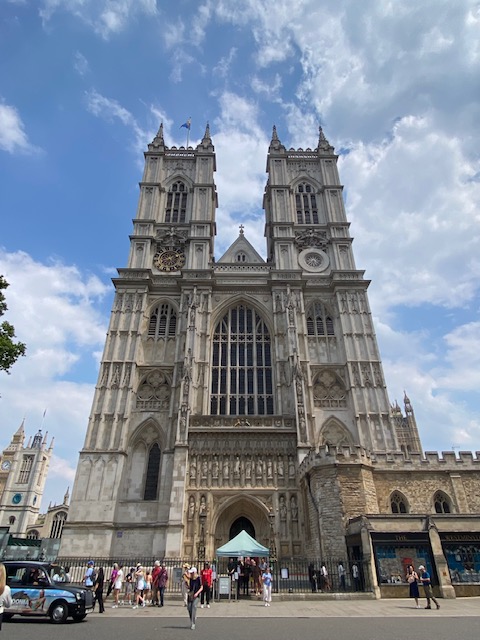
Obviously, not to be be missed is Westminster Abbey. We past by the abbey, Oscar would visit the cathedral inside later.
Westminster Abbey is one of the most significant religious and historical landmarks in the United Kingdom. Officially known as the Collegiate Church of Saint Peter at Westminster, the Abbey has been the site of coronations, royal weddings, and numerous other significant events in British history for over a thousand years.
The Abbey was originally founded as a Benedictine monastery in the mid-10th century by Saint Dunstan, and it was substantially rebuilt in the Gothic style by King Henry III in the 13th century. The magnificent Gothic architecture, with its soaring vaults, intricate stone carvings, and stunning stained glass windows, makes Westminster Abbey a masterpiece of medieval construction. The West Front, with its twin towers designed by Nicholas Hawksmoor in the early 18th century, is particularly iconic.
Westminster Abbey has served as the coronation church since 1066, when William the Conqueror was crowned. Every English and later British monarch has been crowned here, including the current monarch, King Charles III on 6 May 2023. The Coronation Chair, made in 1300-1301 for King Edward I, remains a central feature of these ceremonies.
The Abbey is also a renowned burial site for British royalty, notable figures, and poets. It houses the tombs of kings and queens such as Henry VII and Elizabeth I, and it features the Poets’ Corner, where literary greats like Geoffrey Chaucer, Charles Dickens, and Rudyard Kipling are commemorated.
Trafalgar Square and The Mall
I couldn’t omit Trafalgar Square and The Mall in this Essentials Tour.
Trafalgar Square is a public square known for its historical and cultural significance. The square was established in the early 19th century to commemorate the British naval victory at the Battle of Trafalgar in 1805, where Admiral Lord Nelson defeated the combined fleets of France and Spain.
The most prominent feature of the square is Nelson’s Column, a 169-foot tall monument topped with a statue of Admiral Nelson, which is surrounded by four bronze lions designed by Sir Edwin Landseer.
Trafalgar Square is flanked by several notable buildings, including the National Gallery, which houses a world-class collection of European paintings, and St. Martin-in-the-Fields, a historic church known for its architecture and musical performances.
The square itself is a lively gathering place, often hosting cultural events, public demonstrations, and celebrations. Its fountains and statues, including those of King George IV and General Sir Charles James Napier, add to its grandeur.
The square is also home to the Fourth Plinth, which hosts a rotating series of contemporary art installations, providing a dynamic contrast to the historical monuments.
Trafalgar Square serves as a focal point for London’s New Year’s Eve celebrations and other significant events, including the annual Christmas tree lighting ceremony, where a tree donated by Norway is illuminated as a symbol of friendship.

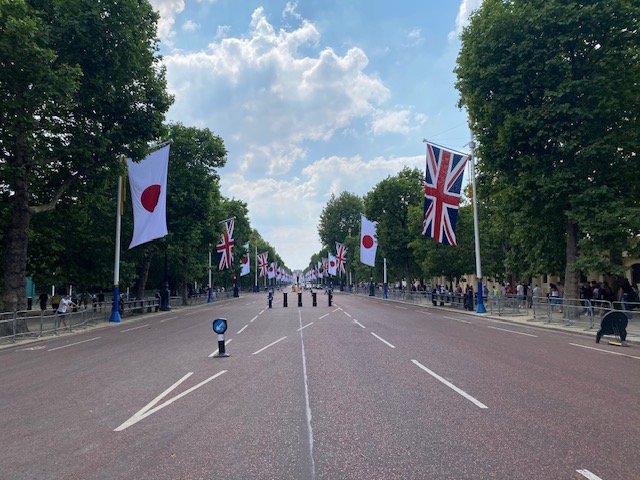
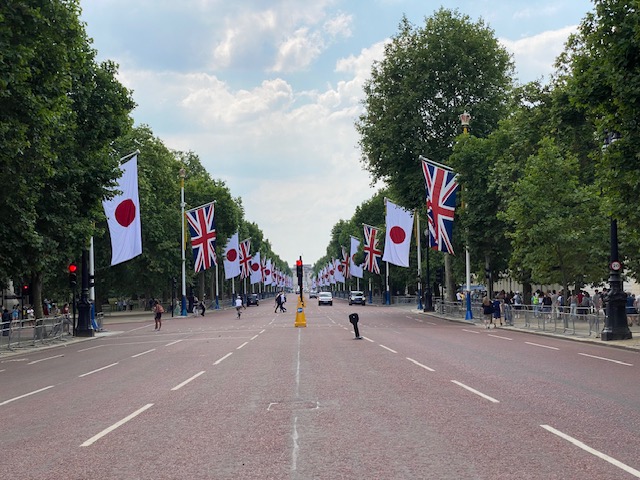
The Mall is a grand ceremonial avenue that stretches from Admiralty Arch at Trafalgar Square to Buckingham Palace. It was designed in the early 20th century by Sir Aston Webb as part of a grand processional route and was completed in 1911 for the coronation of King George V. The wide, tree-lined boulevard is paved in distinctive red tarmac, giving it the appearance of a red carpet leading to the palace, symbolizing the royal processions that frequently occur here.
The Mall is flanked by notable landmarks, including St. James’s Park to the south and Green Park to the north. The Admiralty Arch, at the eastern end, serves as a majestic gateway, while Buckingham Palace at the western end is the official residence of the British monarch.
Along The Mall, visitors can also see the Queen Victoria Memorial, an ornate monument dedicated to Queen Victoria, situated directly in front of Buckingham Palace.
The Mall is used for many ceremonial and state occasions, including the annual Trooping the Colour, which marks the official birthday of the British sovereign. It is also a central route for major public events such as royal weddings, funerals, and victory parades. During these events, The Mall is often lined with Union Jack flags, creating a patriotic and festive atmosphere.
Trafalgar Square and The Mall together encapsulate the rich history and tradition of London. Trafalgar Square offers a dynamic cultural hub and a place of historical remembrance, while The Mall provides a regal and ceremonial pathway that connects the heart of the city to the seat of the British monarchy. Both locations are integral to the identity of London and continue to play key roles in the city’s public life and celebrations.
When we were in London, King Charles III and Queen Camilla hosted Emperor Naruhito and his consort Empress Masako of Japan. So besides Union Jacks, there were many Nisshōki flags.


Buckingham Palace
At the end of The Mall, you’ll find Buckingham Palace. The King was in residence, as his standard was flying.
Buckingham Palace stands as one of the most recognizable and historically significant landmarks in the United Kingdom. Located at the end of The Mall, it has been the administrative headquarters of the monarchy since 1837, when Queen Victoria ascended to the throne.
By the way, the royal court, the ‘official headquarters’ of the monarchy is located at St. James’ Palace.
Originally known as Buckingham House, the building was constructed in 1703 for the Duke of Buckingham. It was later acquired by King George III in 1761 as a private residence for Queen Charlotte, and subsequently expanded into a grand palace by architects John Nash and Edward Blore in the 19th century.
The palace boasts 775 rooms, including 19 state rooms, 52 royal and guest bedrooms, 188 staff bedrooms, 92 offices, and 78 bathrooms.
The state rooms, used for official and state entertaining, are open to the public during the summer months, allowing visitors to glimpse the opulent interiors, including the Throne Room, the Ballroom, and the Picture Gallery, which houses some of the Royal Collection‘s greatest treasures.
Buckingham Palace is not only a royal residence but also a working institution. It hosts numerous official events and receptions held by the King, and it serves as the venue for ceremonial occasions such as state banquets and investitures. The palace’s iconic façade and the Changing of the Guard ceremony, held in the forecourt, are major tourist attractions, drawing millions of visitors each year.
Surrounding the palace are the expansive Buckingham Palace Gardens, a private 39-acre garden that provides a tranquil oasis in the heart of London. The garden features a lake, a tennis court, and a helicopter landing pad, and it plays a central role in the annual garden parties hosted by the monarch.
Buckingham Palace symbolizes the British monarchy’s continuity and tradition, offering both a residence and a workplace for the reigning sovereign and a place where national celebrations and mourning are observed. Its grand architecture, rich history, and role in state functions make it a central figure in the cultural and political life of the United Kingdom.


A glimpse of the King
And then, something extraordinary happened. One of the gates was open and being guarded by guards in combat outfit. So was someone important getting in or out?
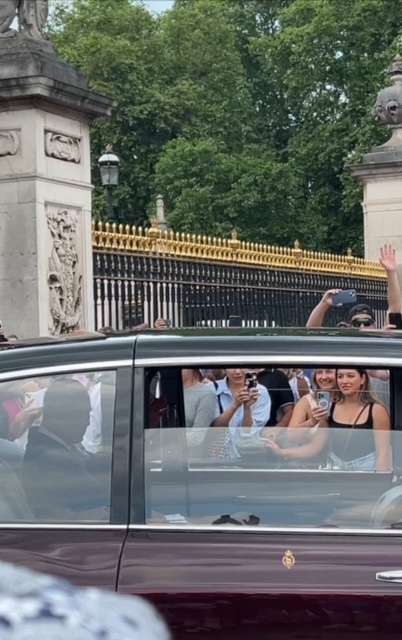
And then we saw him: King Charles III exiting the palace, getting in the Bentley State Limousine and being escorted away. The photos don’t do the passage justice. Our eyes had a better view. He waved at the enthusiastic crowds.

Soho and Old Compton Street
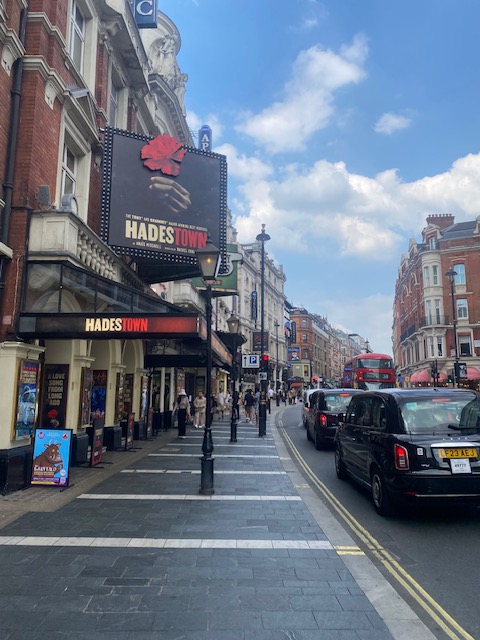
After such a royal encounter, it was time to look for another kind or royalty. We walked to Soho and Old Compton Street in the West End.
Soho is renowned for its rich history, diverse cultural scene, and energetic nightlife. Soho has long been a magnet for creative types, from artists and musicians to writers and filmmakers, contributing to its reputation as a hub of entertainment and innovation.
Historically, Soho was an area of farmland until the late 17th century when it was developed into an urban district. By the 19th century, it had become a melting pot of cultures, welcoming immigrants from various backgrounds who brought with them a wealth of culinary and cultural influences. This multiculturalism remains a defining characteristic of Soho today.
Soho is bounded by Oxford Street to the north, Regent Street to the west, Shaftesbury Avenue to the south, and Charing Cross Road to the east. This central location makes it easily accessible and a popular destination for both Londoners and tourists.
The area is famous for its mix of trendy boutiques, restaurants, bars, and clubs, offering something for everyone.
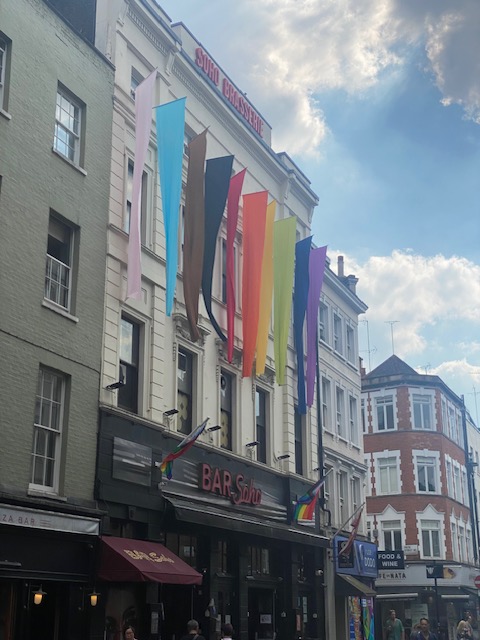
One of Soho’s most famous streets is Old Compton Street, which epitomizes the neighbourhood’s lively and inclusive spirit. Named after Henry Compton, Bishop of London in the 17th century, Old Compton Street has evolved over the years into the heart of London’s LGBTQ+ community. The street is lined with a variety of establishments that reflect its diverse and vibrant character, including cafes, bars, and theaters.
Old Compton Street is a place where you can experience the pulse of Soho. During the day, the street is bustling with activity as people visit its many cafes and eateries. It offers an array of culinary delights, from traditional English fare to international cuisines, reflecting the area’s cosmopolitan nature. `
For coffee lovers, establishments like Balans Soho Society and Bar Italia, a legendary coffee shop dating back to 1949, provide a perfect spot to relax and people-watch.
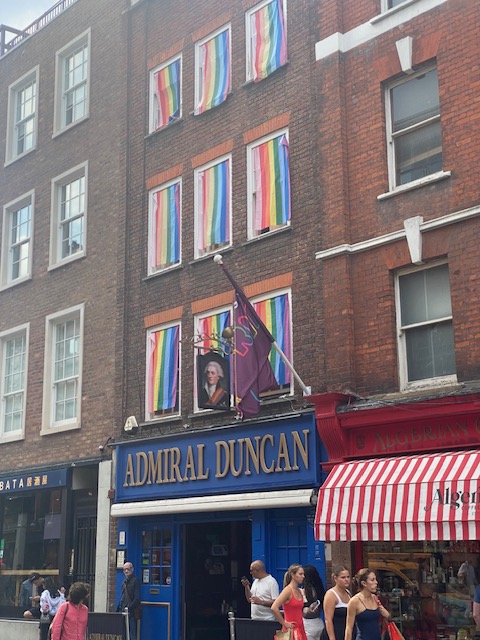
As night falls, Old Compton Street transforms into a lively nightlife destination. It is home to some of London’s most iconic LGBTQIA+ venues, such as G-A-Y Bar and Admiral Duncan, which have played significant roles in the city’s LGBTQIA+ history and culture. These venues are not only places to enjoy a night out but also safe spaces for the community, fostering a sense of belonging and acceptance.
The street is also notable for its theatrical heritage. The Prince Edward Theatre, located just off Old Compton Street, is one of the West End’s premier venues, hosting major productions and attracting theatergoers from around the world. The lively atmosphere extends to the many smaller theaters and live music venues that pepper the area, ensuring that there is always something happening in Soho.
Soho’s artistic and bohemian legacy is reflected in its many independent shops and galleries. Berwick Street, parallel to Old Compton Street, is famous for its market and record shops, like the iconic Sister Ray. These spots continue to attract music enthusiasts and collectors, adding to Soho’s rich tapestry of cultural offerings.
In addition to its entertainment and cultural appeal, Soho is also known for its welcoming and inclusive environment. The annual Soho Pride event celebrates the LGBTQIA+ community with parades, performances, and parties, drawing large crowds and highlighting the area’s commitment to diversity and equality.
We decided to have cake at L’ETO Caffe, which was a nice ending to the day.




Back to St. Pancras via King’s Cross
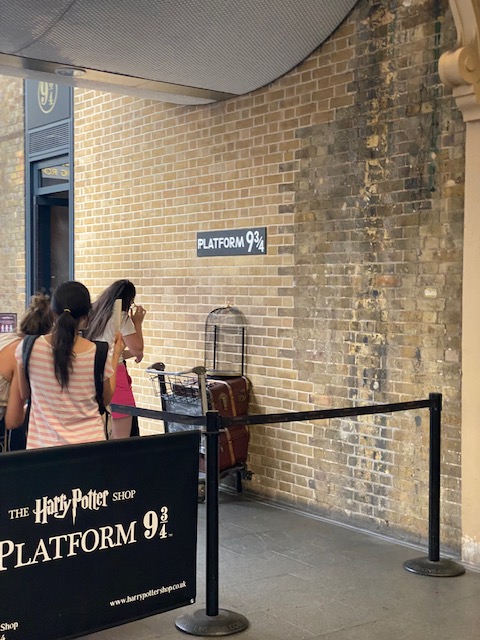
Indeed, it was time for me to return home and catch the last train to Brussels. We took the Underground to King’s Cross St. Pancras Station. I showed Oscar Harry Potter‘s Platform 9¾ and then we took a long goodbye.
It was a delight to finally meet an online friend in person. It felt so natural. I’m so happy it happened. Now it’s up to me to plan a trip to Denver.

So?
This was our day of London Essentials. What did we miss? Which sights and sites should we add on a day 2, 3 and 4. Which sites and sights should we actually enter?
Are there ‘hidden gems’ left in London? Which ones? Help us out.
 Trip By Trip
102 Comments Add yours