
Autumn 2024. Ten years after my first trip to Seoul in 2014, I am returning to the Republic of Korea, better known as South Korea. Not solo this time, but with Oriol, who has never been to Korea. On the itinerary: flying with Qatar Airways to Incheon via Doha, the capital Seoul, the historic city of Gyeongju, Busan, Jeju Island and a second stint in Seoul, where we are joined by Sehyeon. We’re spending two weeks in South Korea. The ROK is such a popular destination now. Will we experience overtourism?
After visiting Bulguksa Temple and the Seokguram Grotto we returned to Gyeongju city centre by Kakao T, Kakao‘s app-based taxi service. In other words: Korea’s answer to Uber.
We lunched at a restaurant on Hwangnidan Street and headed to Woljeonggyo Bridge as Oriol wanted a daytime photo.




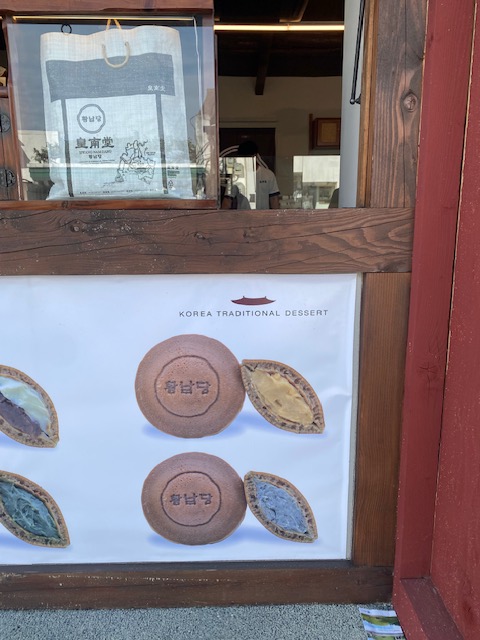
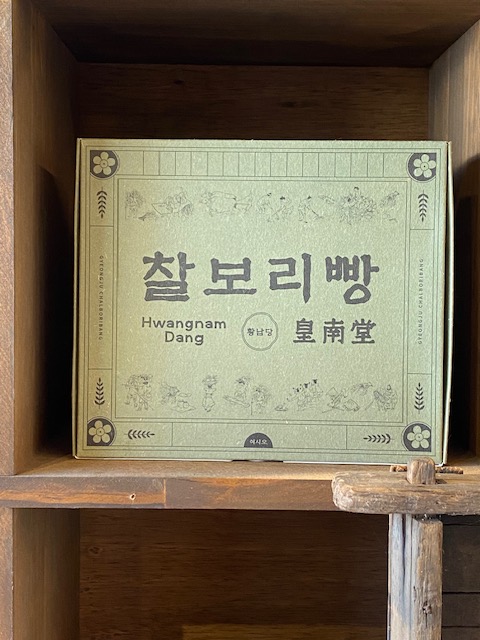
Chalbori-ppang
On our way we bought some chalbori-ppang (찰보리빵).
This South Korean confection consists of two small pancakes made with glutinous barley flour and filled with sweet red bean paste. These round, flat treats have a soft, sponge-like texture.
Introduced in 2003 by Danseokga bakery in Gyeongju chalbori-ppang has become a beloved local specialty. The glutinous barley used in its production is sourced from the fields beneath Danseoksan, where the cold winter climate naturally protects the crop from pests and weeds, ensuring a pesticide-free harvest.
Ouyrs had a variety of fillings, not only red beans.

Woljeonggyo Bridge
And after Woljeonggyo Bridge we decided to visit the Gyeongju National Museum, which focuses on the Kingdom of Silla.
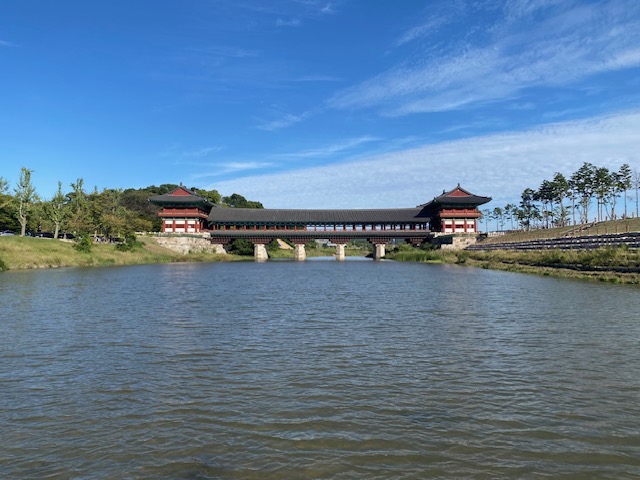

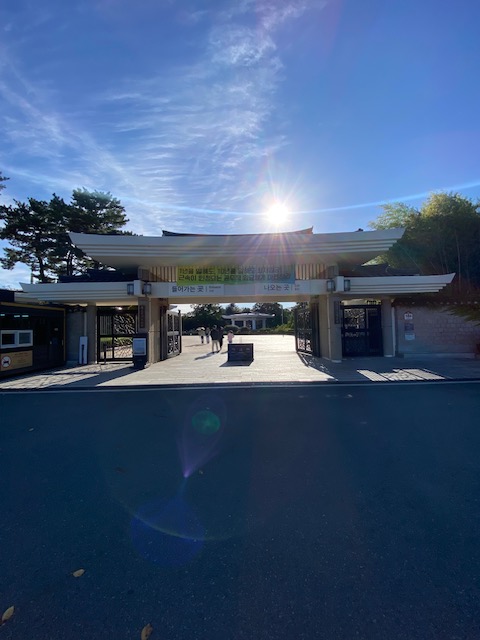
Gyeongju National Museum
The Gyeongju National Museum (국립경주박물관), situated adjacent to the royal tomb complex, Gyerim Forest, the Cheomseongdae Observatory, the Banwolseong Palace, and Anapji Pond, offers a unique glimpse into Korea’s ancient history.
Established in 1945 as the Gyeongju Branch of the National Museum of Korea, the museum’s main building was constructed in 1968. Upgraded to its current status in 1975, it has undergone continuous expansion since then.
The museum’s collection, a significant piece of Korea’s cultural heritage, provides invaluable insights into the development of civilization in southeast Korea. Among its most renowned artifacts are the Emille Bell and several Silla crowns.
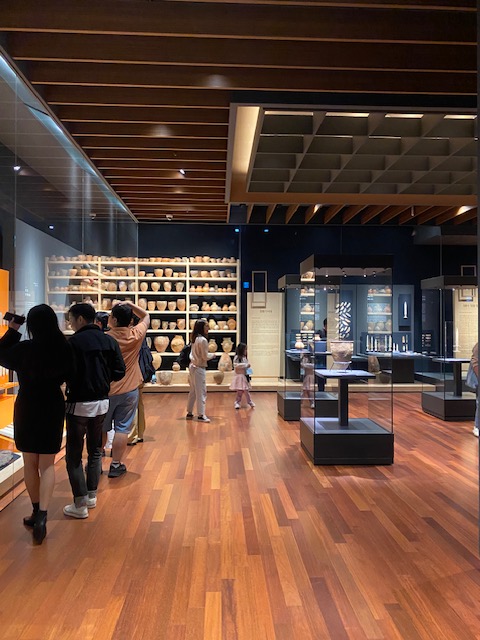
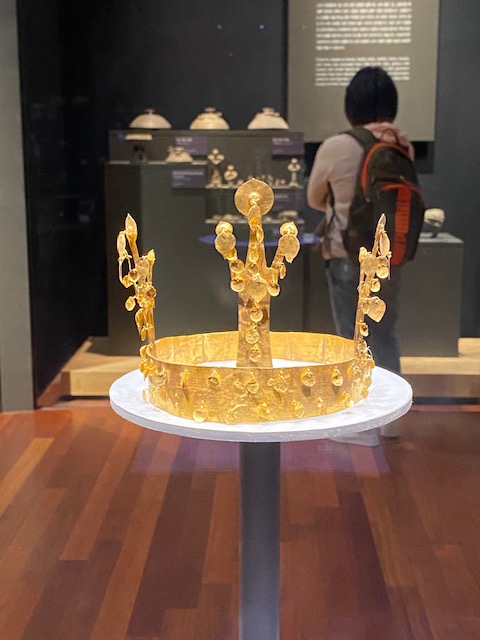
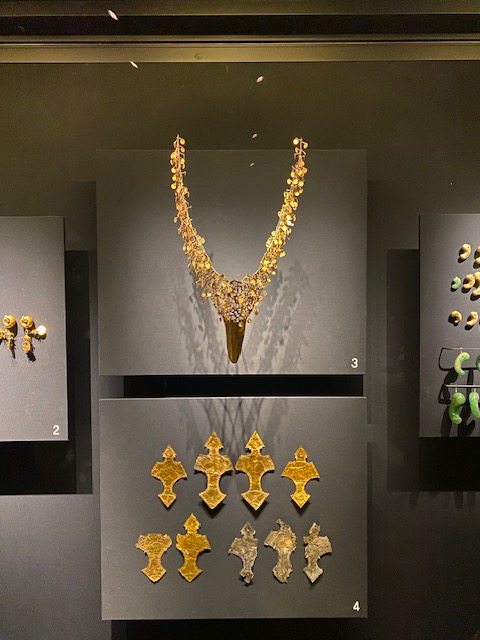


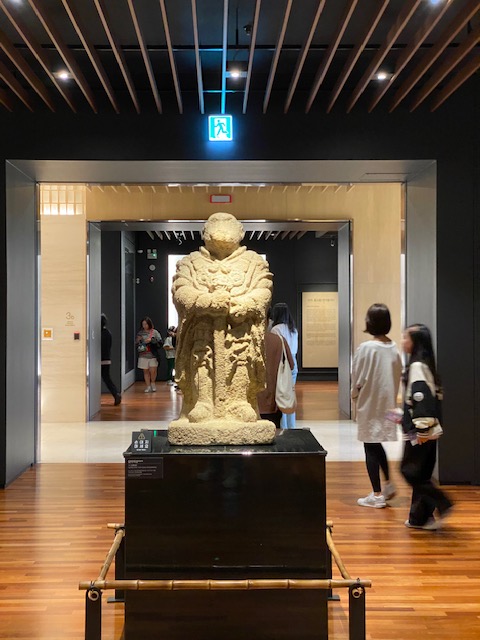

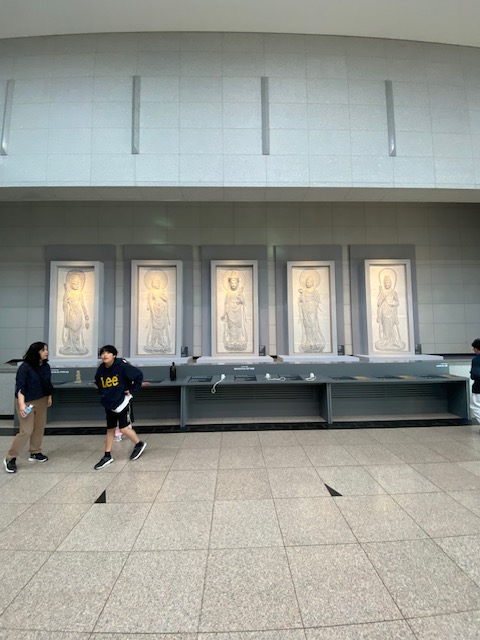
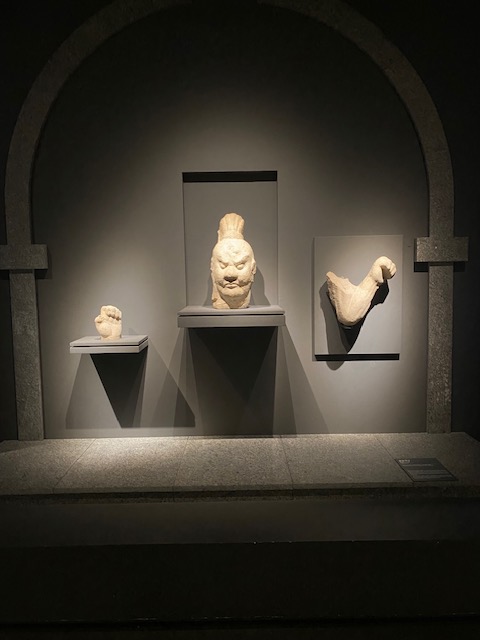

Additionally, the museum houses numerous artifacts excavated from Anapji Pond and Hwangnyongsa Temple. Many of these treasures are displayed outdoors, a common practice in Korean museums.
Due to the vastness of its collection, a significant portion of the archaeological and historical artifacts remains unseen by the public.
The museum’s archaeological research department has been instrumental in conducting field surveys and excavations in North Gyeongsang Province. Although its role has diminished with the establishment of government-funded research centers, it continues to serve as a crucial center for cultural heritage conservation.
The construction of a large warehouse in the early 2000s further solidified this role, providing storage space for the countless artifacts unearthed from Gyeongju and the surrounding region.


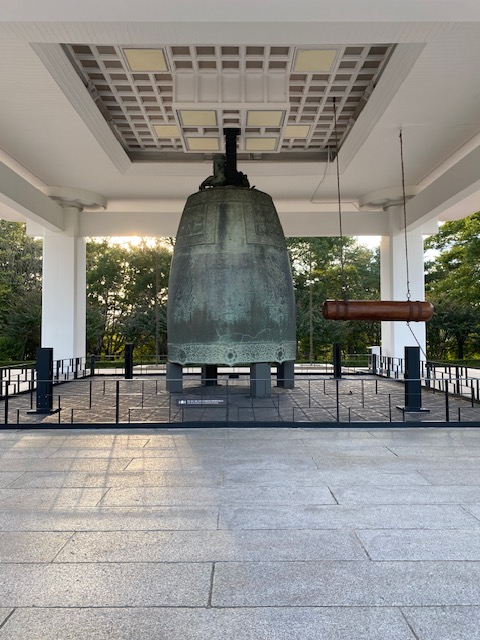
A visit of the museum
The museum offers a comprehensive overview of the Silla era. It’s a decent, informative and clear museum. Maybe a bit much in the busy schedule we had.
Wandering around town
After the museum, we had a bit of a “now what?” moment. We had seen a lot of Gyeongju already and we lacked a bit of inspiration. Even if it was already evening, we were full of the chalbori-ppang we had bought earlier.
We decided to walk back to the centre via another route. We bumped into the former Gyeongju Railway Station, which is now a cultural centre.
We encountered a market.
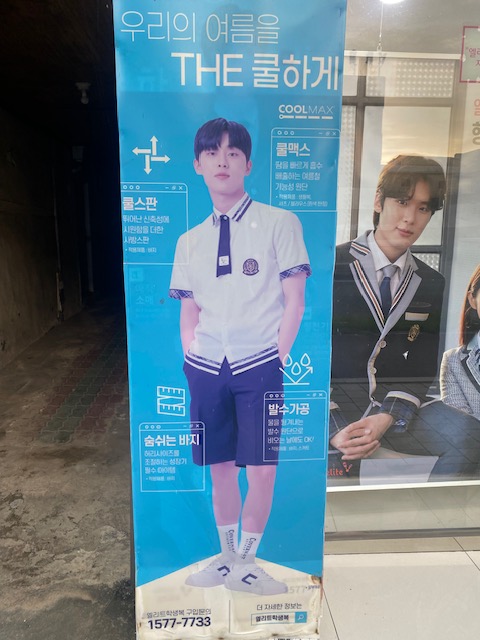

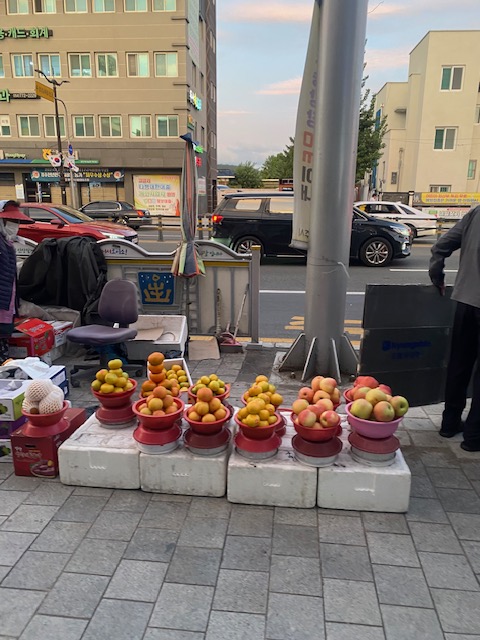


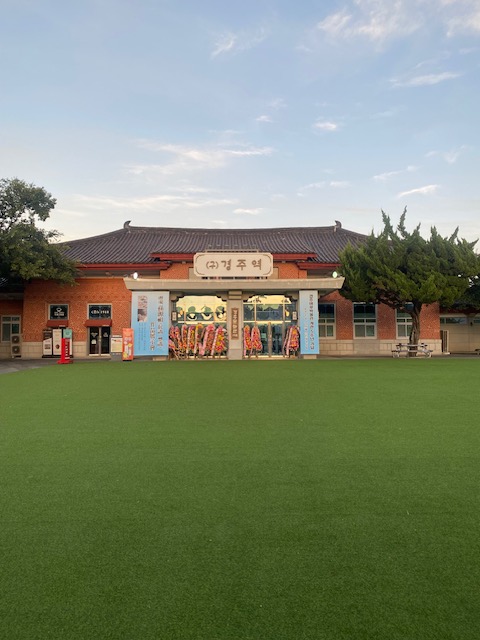
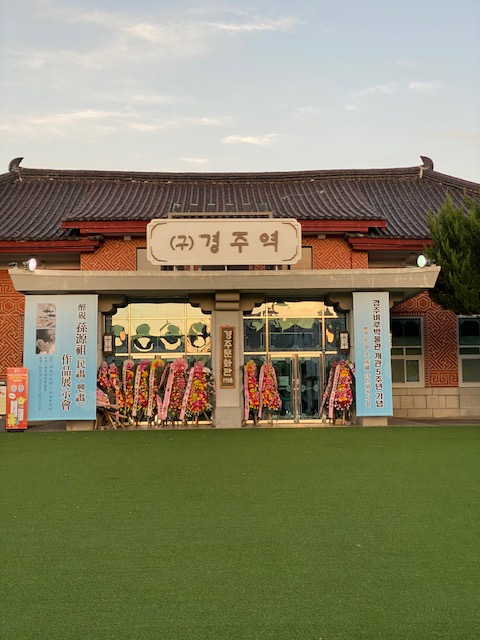
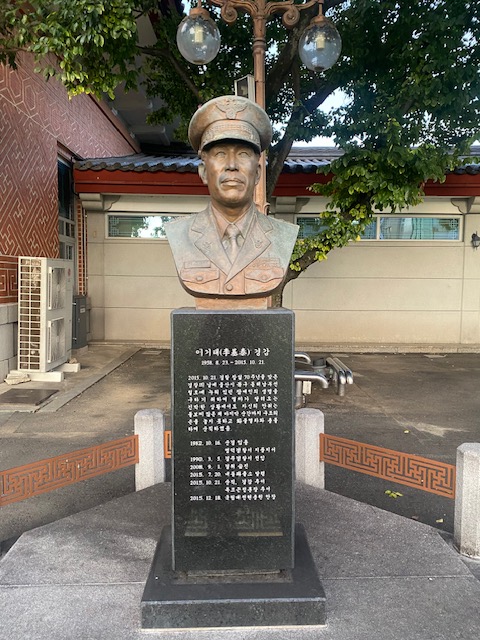
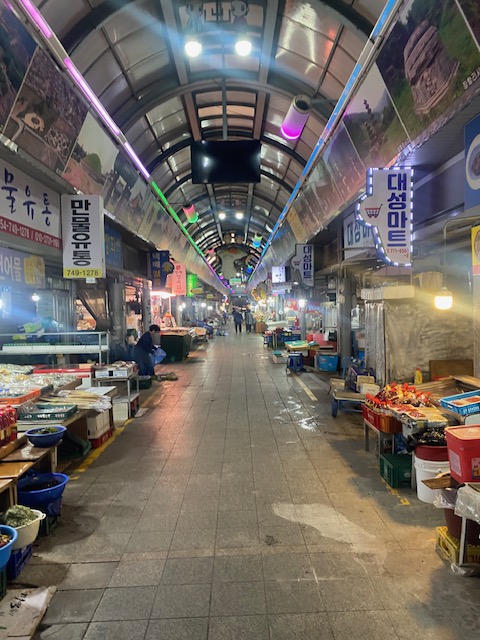

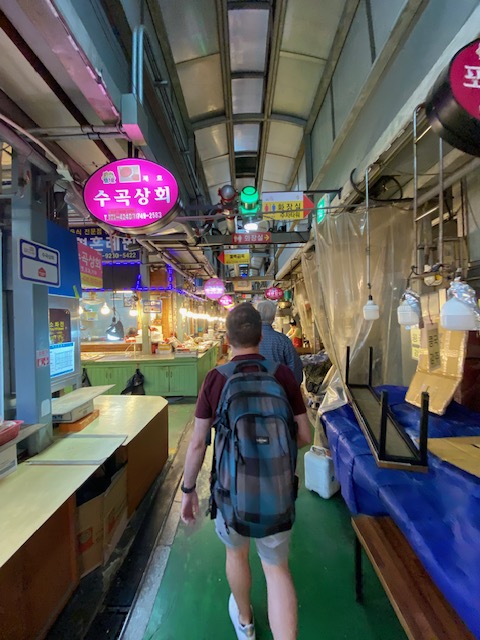


Gyeongju Eupseong Fortress
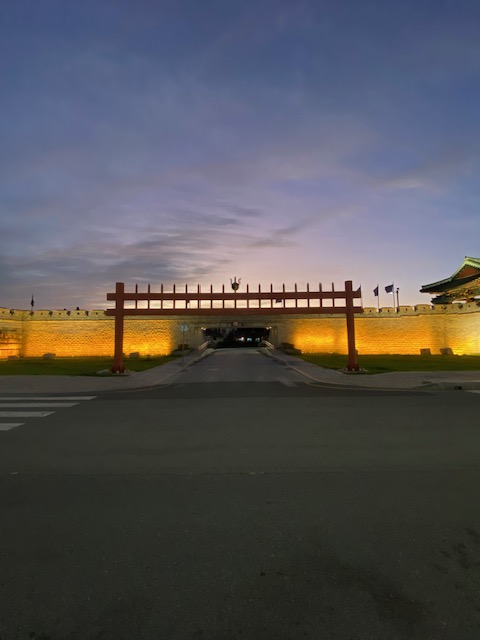
Oriol discovered Gyeongju Eupseong Fortress (경주읍성) on the map.
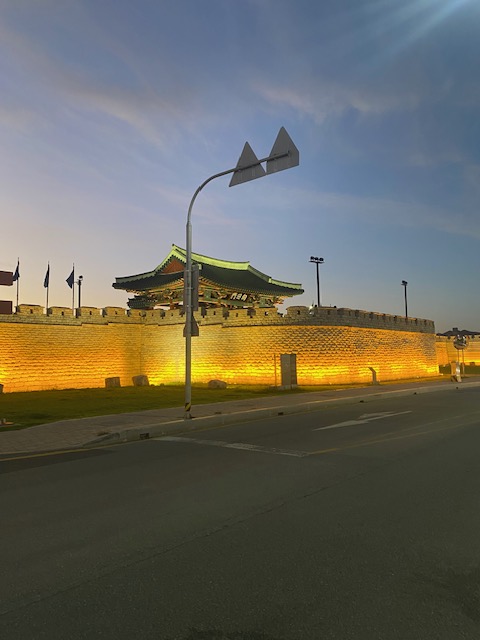
While Wolseong served as the primary fortress during the Silla Dynasty, Eupseong Fortress took center stage during the Goryeo and Joseon Dynasties. It was the heart of Gyeongju’s administration, daily life, and military defense. Today, it remains a prominent landmark in the city’s downtown area.
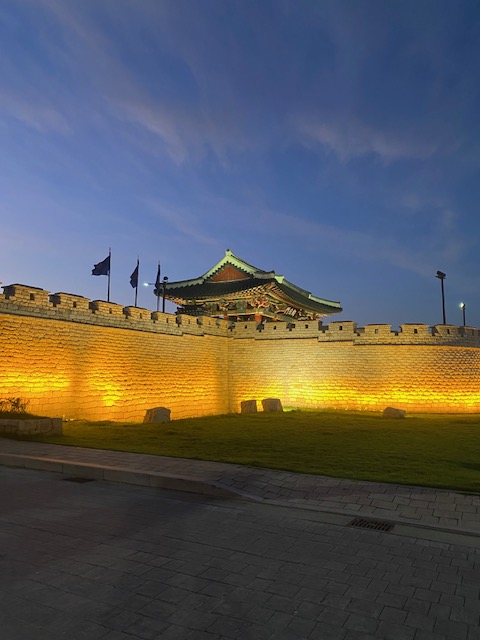
Construction of Eupseong Fortress began in the year 1012 during the Goryeo Dynasty, initially as an earthen fortress. It was later converted into a stone fortress in 1378. Over the centuries, the fortress underwent numerous reconstructions, leaving little trace of its original form. The remaining 100 meters of the east wall, built in 1745 during the Joseon Dynasty, is a testament to its enduring history.
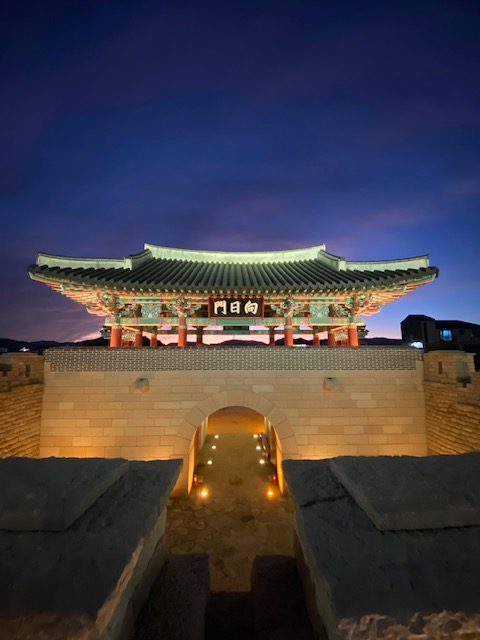
In recent years, Gyeongju City Hall embarked on a restoration project to revitalize the city’s Goryeo and Joseon Dynasty heritage. The focus was on the east wall, which was excavated and restored, culminating in the reopening of Hyangilmun Gate in November 2019.
Hyangilmun Gate, or ‘Sunrise Direction Gate‘, is named for its orientation towards the rising sun. The fortified castle entrance protects the gate from direct attacks. The wall has been extended to 324 meters, with bulwarks and chiseongs—protruding structures used for defensive purposes—added to both sides.
These chiseongs now offer stunning panoramic views of the fortress and its surroundings.
Eupseong Fortress is not only a historical site but also a captivating evening destination. As the sun sets, the fortress illuminates with 480 LED lights, casting a magical glow over Hyangilmun Gate, its guard towers, eaves, fortified entrance, roof crest tiles, and walls.


Shopping
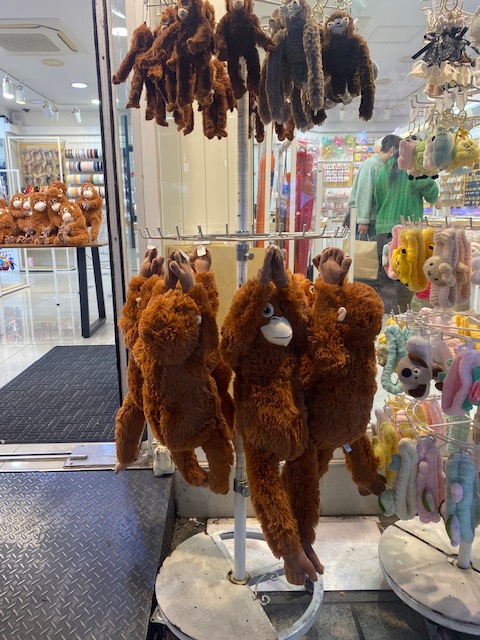
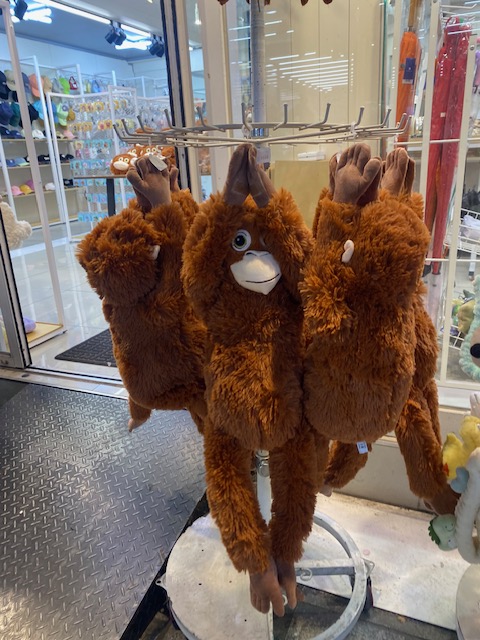
We also did some late night shopping. We saw many monkeys. Ikea‘s Djungelsjog orangutan is very popular in Korea.
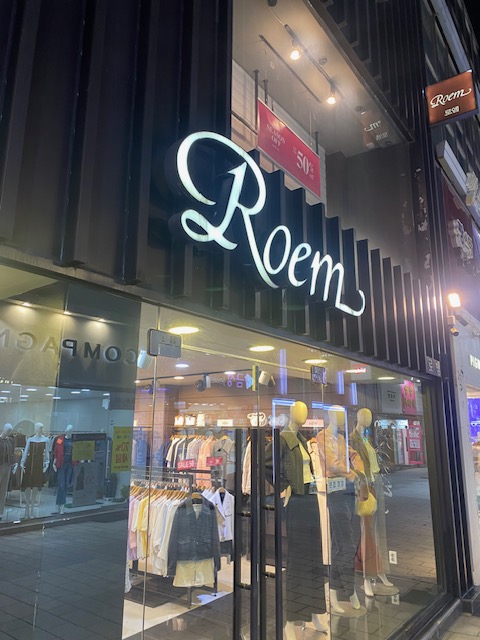
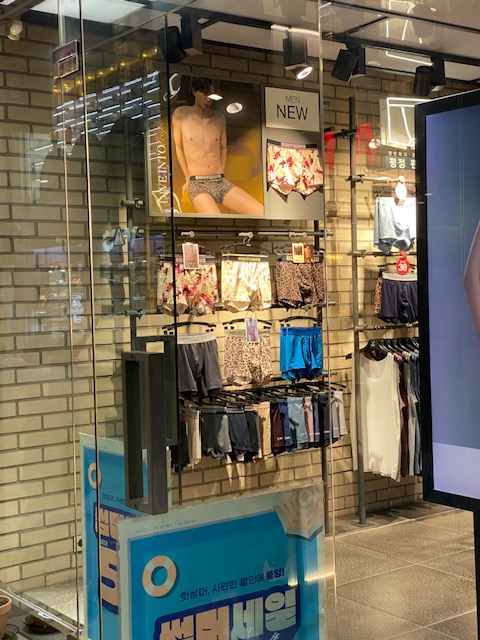
We also saw men’s underwear, at Bodyguard Men’s Underwear. We saw a Tull Bo, where, I bought a T-shirt. There was a Topten10 which was much nicer than Myeongdong. But nothing Oriol liked.





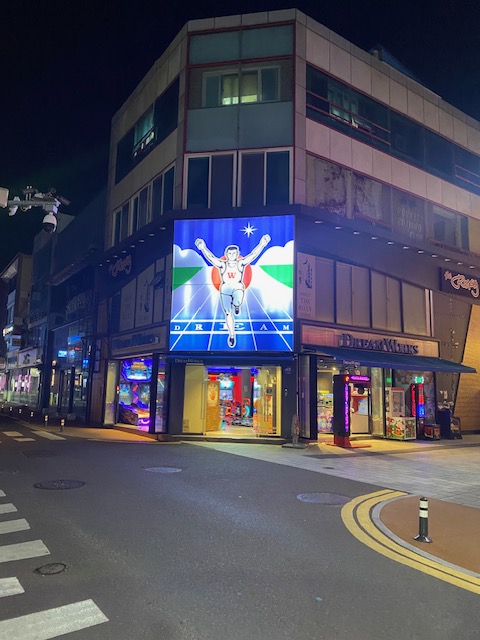


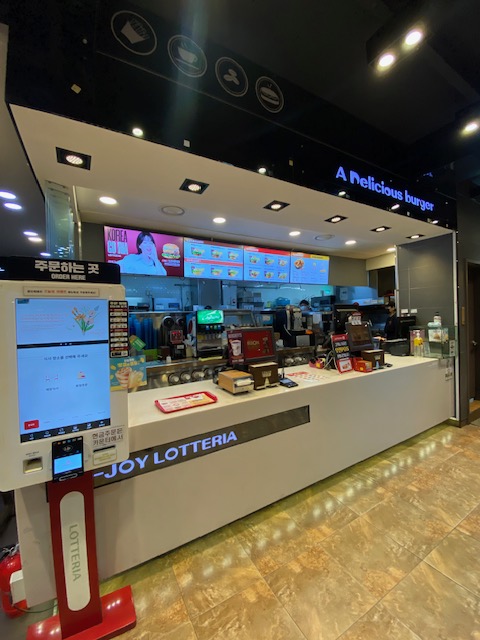
Lotteria
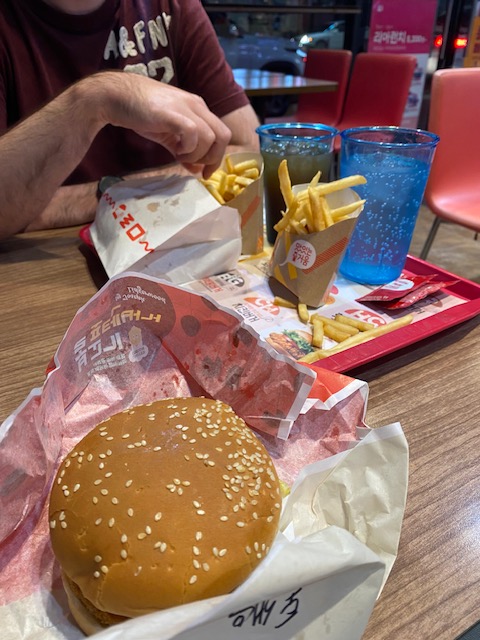
Danny regularly makes of fun of because I deem going to a burger joint while travelling is raising the white flag. But in Gyeongju we ate a burger at Lotteria.
Lotteria is part of the Lotte omnipresence in Korea and offers a Korean twist on burgers.
Salon Jjok
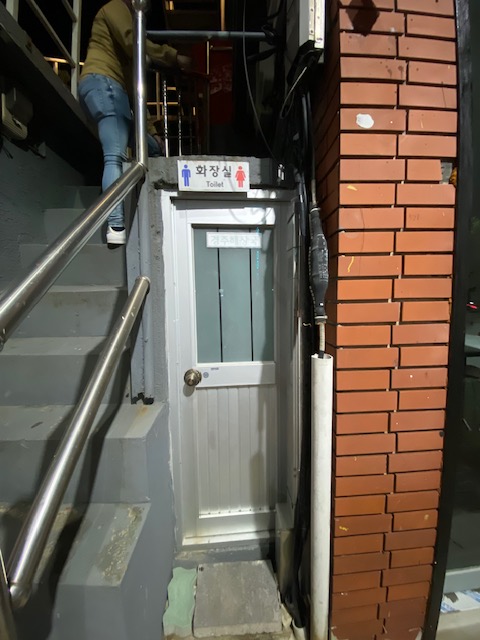
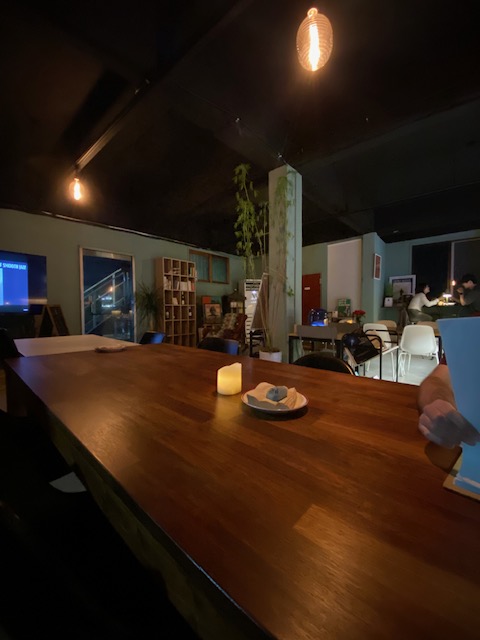
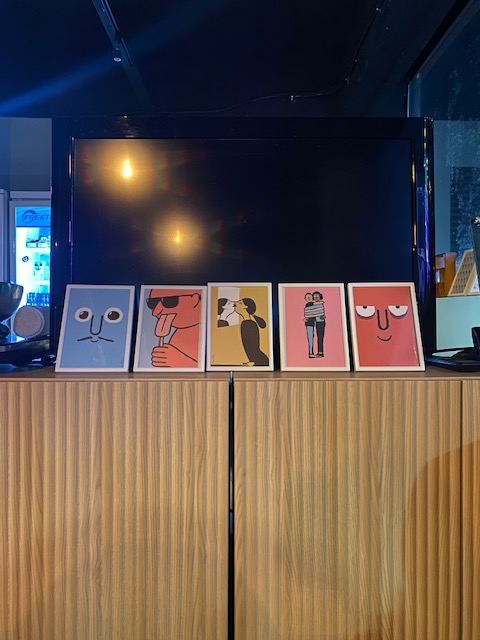
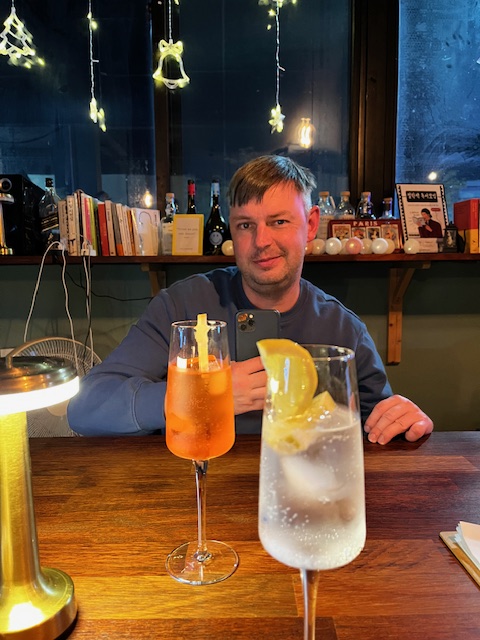
We ended the night at Salon Jjok, a gay friendly bar. Outside, a worn rainbow flag is flying. Inside, we were almost alone. It was a slow weekday, that Thursday.


So?
In two days, we were able to have comprehensive grasp of Gyeongju.
South Korea 2024
- QUESTION | Should you be scared of travelling to South Korea?.
- REVIEW | Qatar Airways – economy – Boeing 787-8 Dreamliner – Brussels to Doha.
- QATAR | Hamad International Airport (DOH) in Doha.
- REVIEW | Qatar Airways – economy – Airbus A350 – Doha to Seoul / Incheon.
- SOUTH KOREA | Landing at Incheon, retrieving the Wowpass and taking the AREX to Seoul Station.
- REVIEW | Fraser Place Namdaemun Seoul near City Hall.
- SEOUL | Deoksugung Palace by day.
- SEOUL | Admiral Yi Sun-sin – King Sejong the Great – Gyeongbokgung Palace – National Folk Museum SEOUL | Admiral Yi Sun-sin – King Sejong the Great – Gyeongbokgung Palace – National Folk Museum.
- SEOUL | Bukchon Hanok Village – Insadong Culture Street – Jogyesa Temple – Gwangjang Market – Cheonggyecheon Stream.
- SEOUL 2024 | Dongdaemun Design Plaza.
- SHOPPING IN SEOUL | Myeongdong – Lotte Young Plaza – Avenuel – Lotte Department Store.
- SEOUL | Namsan Mountain Park and N Seoul Tower.
- SOUTH KOREA | Seoul Station.
- REVIEW | Korail KTX Seoul – Gyeongju – Busan.
- GYEONGJU | Daereungwong – Cheonmachong – Cheomseongdae Observatory – Banwolseong Fortress – Anapji Pond – Woljeonggyo Bridge – Gyo-dong.
- REVIEW | Hotel Palace in Gyeongju.
- GYEONGJU | Bulguksa Temple and Seokguram Grotto.
 Trip By Trip
Nice! I was there just last May 🙂 You were lucky to visit when it wasn’t too crowded — during the holidays, it gets so busy you can barely see the artefacts behind the crowds!
LikeLiked by 1 person
😱
Overtourism is real. Going to Japan 🇯🇵 in October. I’m expecting big crowds.
LikeLike