
Autumn 2024. Ten years after my first trip to Seoul in 2014, I am returning to the Republic of Korea, better known as South Korea. Not solo this time, but with Oriol, who has never been to Korea. On the itinerary: flying with Qatar Airways to Incheon via Doha, the capital Seoul, the historic city of Gyeongju, Busan, Jeju Island and a second stint in Seoul, where we are joined by Sehyeon. We’re spending two weeks in South Korea. The ROK is such a popular destination now. Will we experience overtourism?
In the course of the two weeks in Seoul, Gyeongju, Busan and Jeju Island we noticed many behaviors, habits, trends and other ‘things’.
Less talk about some of them, in alphabetical order.
AirTags
Apple‘s AirTags to track your belongings such as a bag, did not work in Korea. They should now.
AirTags didn’t work in South Korea because of restrictions on the ultra-wideband (UWB) frequency used by these devices. AirTags rely on a combination of Bluetooth and UWB technology to enable precise location tracking. UWB allows AirTags to be located with high accuracy, especially when using iPhones that support the U1 chip, which provides precise location tracking.
However, in South Korea, the government restricts the use of UWB frequencies due to regulatory standards concerning wireless frequencies, which are overseen by the Ministry of Science and ICT.
In South Korea, UWB frequencies are allocated for other specific uses and are regulated to avoid interference with certain government and public services. Because of this, Apple’s UWB-based Precision Finding feature, which lets iPhone users pinpoint the exact location of an AirTag, was disabled in South Korea.
While AirTags can still function via Bluetooth, which provides approximate location data, they lose the precise directional tracking that UWB offers.
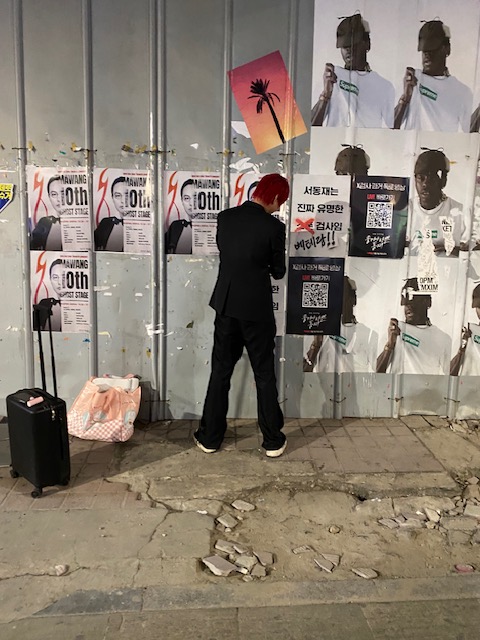
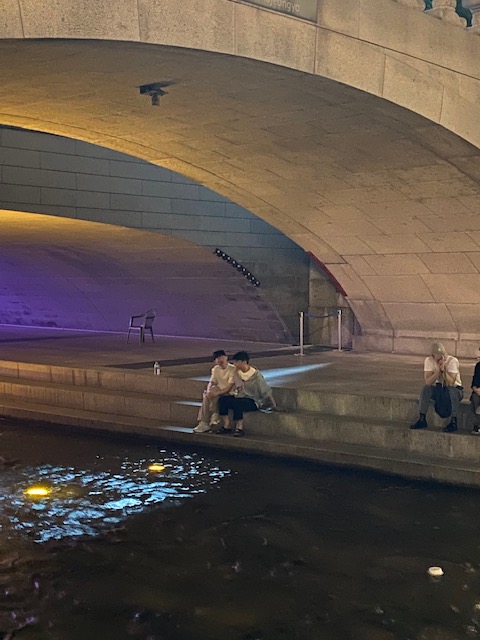
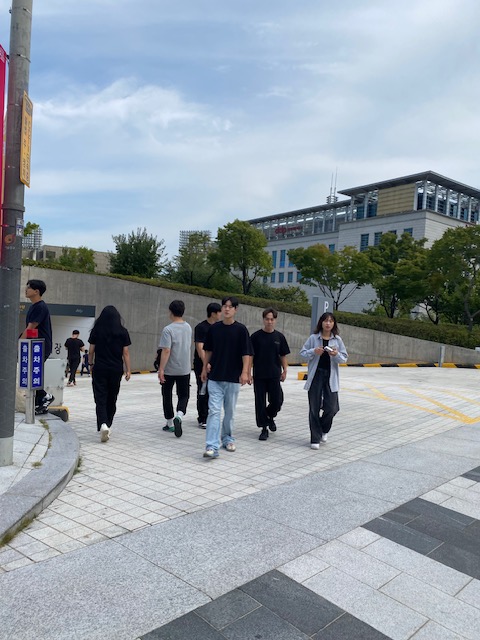
Black outfits in Seoul
We arrived on a Saturday night and after checking it at Fraser Place Namdaemun Seoul we went out for dinner and a stroll. At that time of night mostly young people were outside and they all wore black. A trend we saw the following days as well.
Not only black, no. But black, grey, white. Blue. All very demure, very mindful outfits. Subdued colours. Everything on the greyscale is clearly popular.




Cameras
CCTV cameras are everywhere. At first I even thought they were placed without warning people they’re being filmed. But then I noticed some signs stating there are cameras.
They’re sometimes even hidden in the trees, such as on the Seongsan Ilchilbong volcano in Jeju.


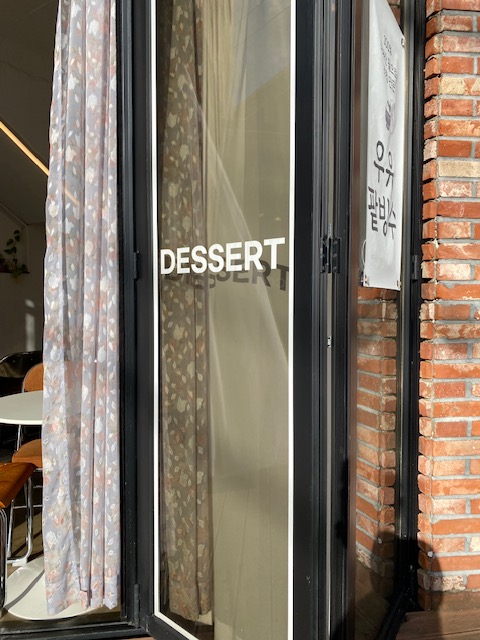
Coffee and dessert
Coffee places aren more than just coffee places. They’re coffee and dessert places.


Crocs
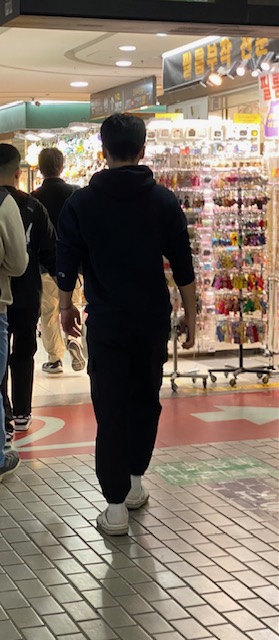
Korean youth and young adults and Seoulites in particular are known to be let’s say above average fashion conscious. They are.
But they also wear Crocs. Outside. On the street. Because you often need to take off your shoes in Korea? Perhaps.


Directive
Koreans can be… let’s say… directive. I first noticed this in a barbecue restaurant in Seoul. The food was brought, we put the meat in the grill and then she came. With a look of “you’re doing in wrong”. She took scissors and cut the meet and she constantly came back to turn them around. It felt like a mother being annoyed at her children.
We encountered this attitude in several restaurants. But also attendants in saunas I visited were very directive at how to do things.
I know there’s a language barrier and it doesn’t help for adding nuance to a message. But I’ve encountered several ‘motherly’ figures treating us like children, basically.


English proficiency
Speaking of language barrier. English proficiency in South Korea is very – uhm – hit and miss. While English is widely taught in schools and considered a crucial subject, especially in urban centers like Seoul, actual conversational and practical proficiency remains limited for many South Koreans.
English is a core subject in South Korean schools from an early age, and there is a strong emphasis on grammar, reading comprehension, and standardized test preparation.
Many students attend private academies, known as hagwons, for additional English instruction. However, the focus is often on reading and writing, leaving conversational skills underdeveloped. This educational approach generally equips people with the ability to understand written English better than spoken or conversational English, especially outside urban centers.
This is very tangible. Menus are often in correct English and you barely encounter comical translations.
Younger South Koreans, especially those in their 20s and 30s, tend to have better English skills than older generations. This difference is partly due to the globalization of Korean society and the exposure younger people have to Western media, pop culture, and online resources.
However, while younger South Koreans may be more familiar with English, fluency levels can still be variable.
In major cities like Seoul, Busan, and Incheon, English proficiency tends to be higher due to greater exposure to foreign visitors, expat communities, and business. These areas also have better access to quality English education and hagwons. In contrast, English proficiency tends to be lower in rural areas where exposure to English speakers and access to language resources are more limited.
English is often seen as a prestigious skill in South Korea, and there is social pressure to achieve high proficiency, which sometimes leads to anxiety or reluctance to use English in conversation. Many South Koreans may feel shy or hesitant to speak English due to a fear of making mistakes, which can further impact practical language use.
Everything is a fashion brand
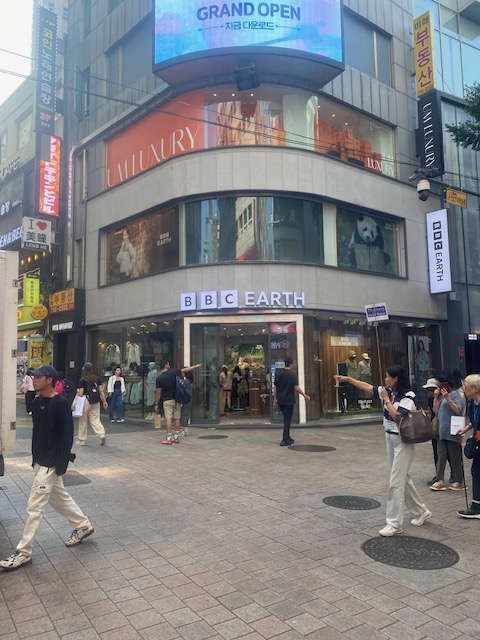
Not only did we see ‘forgotten’ brands such as Umbro or Kangol, we also saw unexpected clothing brands such as Kodak, mostly known for its photography items, but also TV-related brands such as BBC Earth outerwear and Discovery Expedition, which uses a branding very reminiscent of Discovery Channel.

Matching outfits
It’s fashionable for straight couples to wear matching outfits. The same jacket or jumper. Same-sex couples don’t do that. Too public.
I’m afraid I don’t have photos to illustrate this.
Monkey
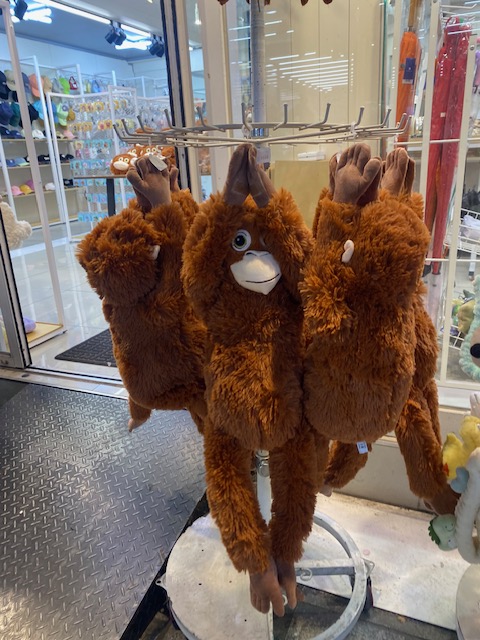
Do you know Djungelskog? Djungelskog a very cute and cuddly orangutang sold at Ikea. And everywhere in Korea. I’ve seen Djungelskog everywhere? A grown-up girl even had hers with her at a (gay) bar in Gyeongju. Another was hanging out at Eat Me on Homo Hill in Seoul.


Not cooking in restaurants
They don’t cook in restaurants. Well, of course they do, but also not. Many restaurants will have some kind of heating device in the middle of the tables. This can be a barbecue-type grill, a hob or a cooking plate.
Then someone brings the food and it’s all done before your eyes. You take some of it on your plate and you eat.
It does explain why so many restaurants refused me in Seoul in 2014 when I travelled solo. Such places want a two-person party at minimum.


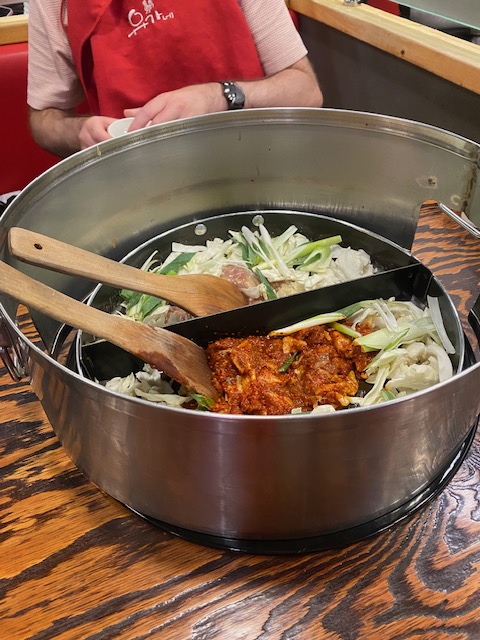


Photo studios
Photo studios are almost as popular as coffee and dessert places. They’re everywhere.


Rainbow
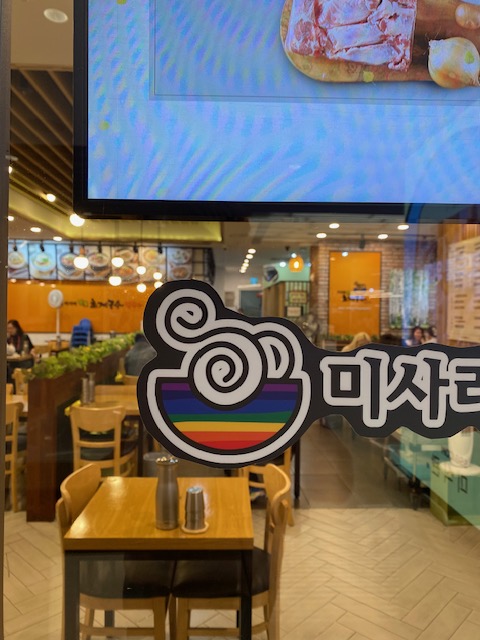
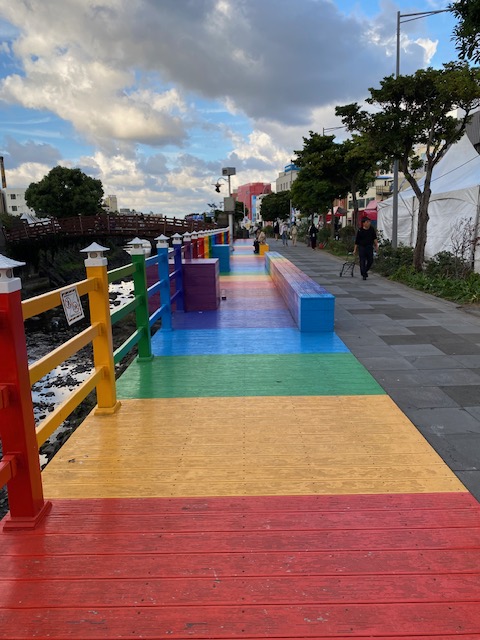
You’ll see plenty of rainbow-coloured signs or stairs or whatever. But these colours are not linked to the LGBTQIA+ community. So don’t be fooled.



Random opening hours
Some shops stay open late. Others don’t. Some restaurants close at 9 PM, others at 10 or 11 PM. It can vary a lot so look for opening hours before going to a place.
Routers
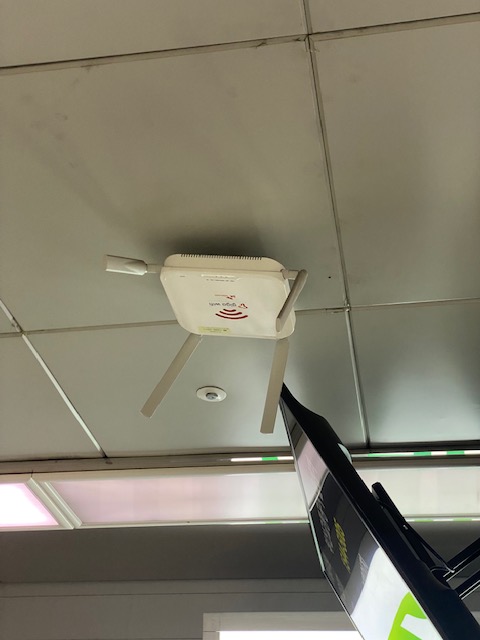
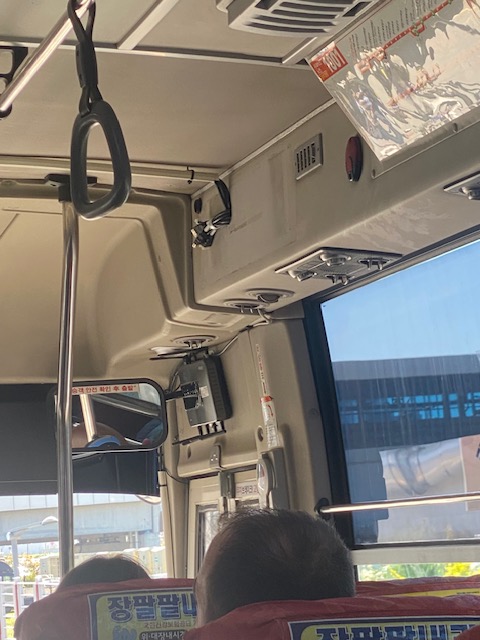
There’s mobile internet everywhere and thus there are routers everywhere. On buses, in shops, in every hotel room, in the subway. And you can see them.
Socks
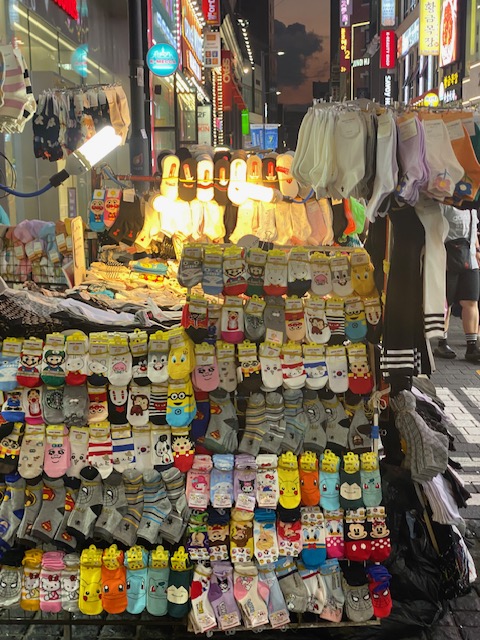
You can buy socks everywhere in Korea. Often just on street stalls or in subway shopping areas. Formal socks, fantasy socks, sportswear socks, genuine Nike and Adidas socks and less genuine Nike and Adidas socks.


T-shirts
Was it the season? But finding fun but basic T-shirts was hard. T-shirts as underwear yes. Basic white T-shirts were easy to find. But nothing ‘above’ that. Even not at H&M.
Unbranded water
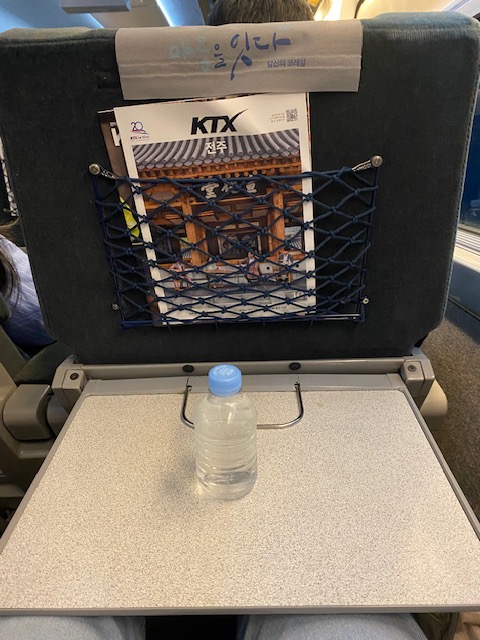
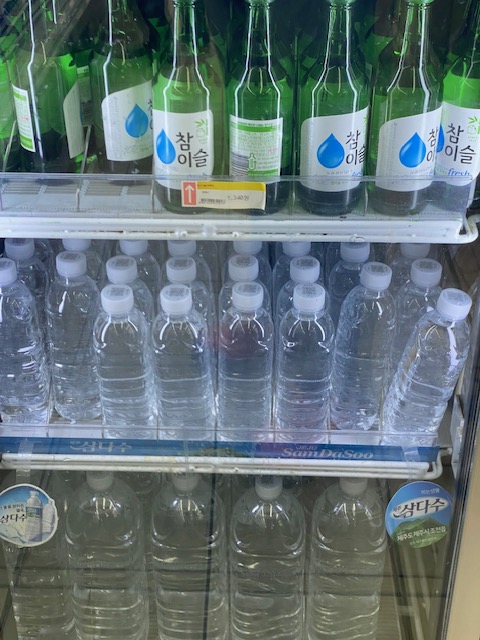
We have seen many water bottles being unbranded. No label at all. On the train, in hotels and even in the supermarket.


Underwear at convenience stores
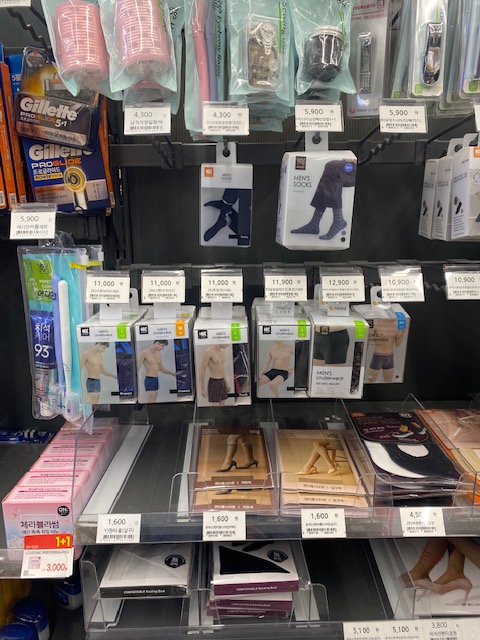
Finding men’s underwear, and especially cute men’s underwear, was also quite hard to find. The socks / underwear availability ratio is staggeringly disadvantageous for the undies.
But you could buy basic boxer briefs at convenience stores such as CU, GS25 and 7Eleven. Packed in a tiny bow, so I’m guessing the fabric is very thin and the underwear win’t survive many laundries.
UNESCO World Heritage
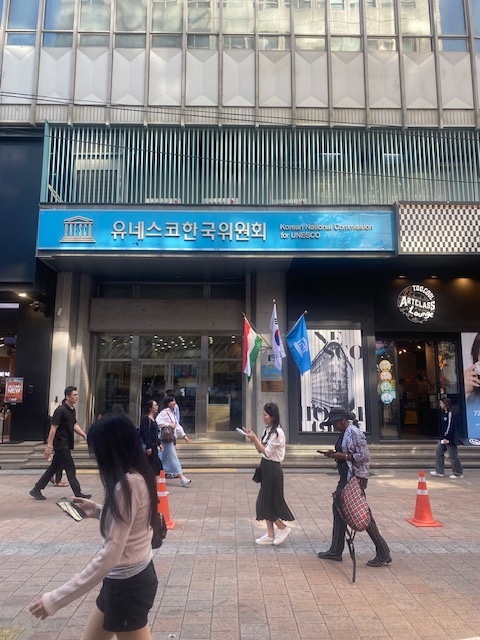
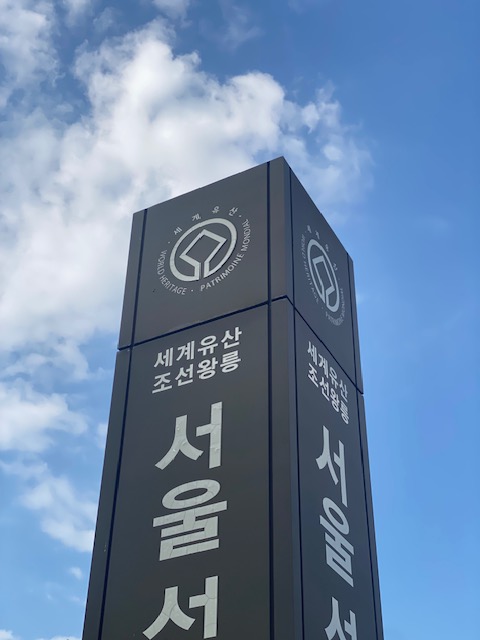
There is an institutional obsession with heritage listing. If a site is not UNESCO World Heritage – and if it’s the case you will know it – then it’s nationally recognized as heritage.

Warning signs
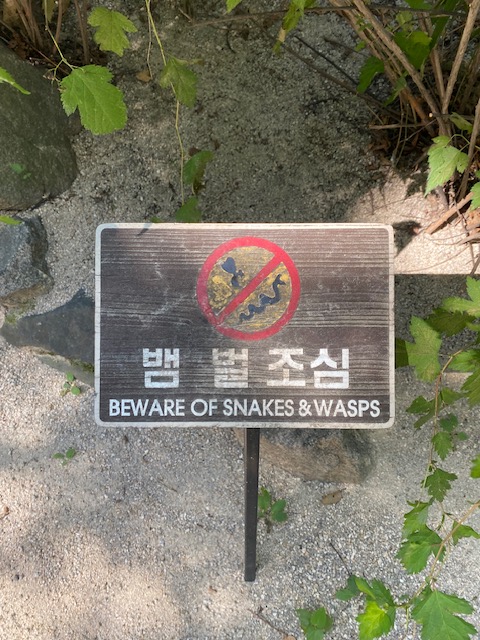
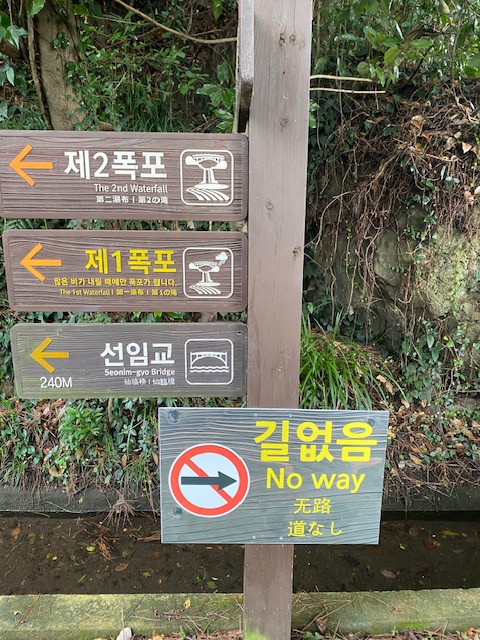
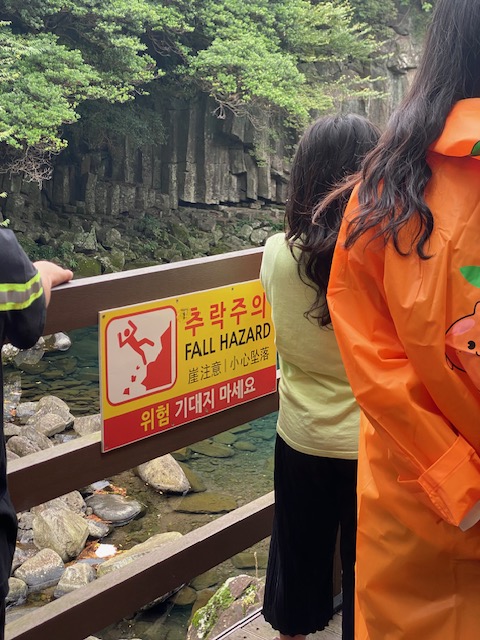
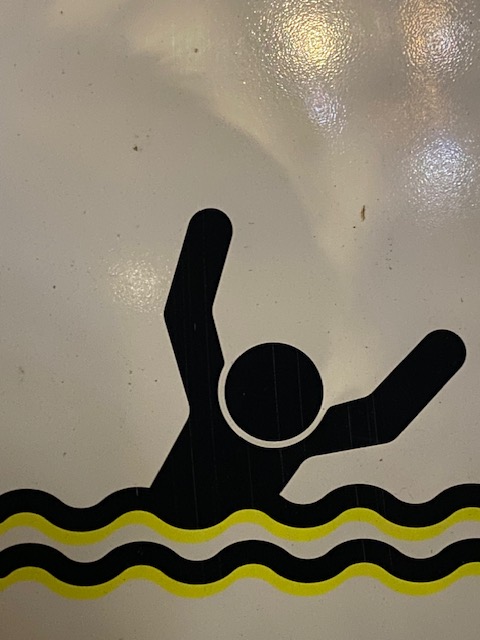
I know it was autumn, but that’s not a dangerous season. Yet there were many warning signs including ‘Fall Hazard’. Okay then.
Warning signs are popular in South Korea.





South Korea 2024
- QUESTION | Should you be scared of travelling to South Korea?.
- REVIEW | Qatar Airways – economy – Boeing 787-8 Dreamliner – Brussels to Doha.
- QATAR | Hamad International Airport (DOH) in Doha.
- REVIEW | Qatar Airways – economy – Airbus A350 – Doha to Seoul / Incheon.
- SOUTH KOREA | Landing at Incheon, retrieving the Wowpass and taking the AREX to Seoul Station.
- REVIEW | Fraser Place Namdaemun Seoul near City Hall.
- SEOUL | Deoksugung Palace by day.
- SEOUL | Admiral Yi Sun-sin – King Sejong the Great – Gyeongbokgung Palace – National Folk Museum SEOUL | Admiral Yi Sun-sin – King Sejong the Great – Gyeongbokgung Palace – National Folk Museum.
- SEOUL | Bukchon Hanok Village – Insadong Culture Street – Jogyesa Temple – Gwangjang Market – Cheonggyecheon Stream.
- SEOUL 2024 | Dongdaemun Design Plaza.
- SHOPPING IN SEOUL | Myeongdong – Lotte Young Plaza – Avenuel – Lotte Department Store.
- SEOUL | Namsan Mountain Park and N Seoul Tower.
- SOUTH KOREA | Seoul Station.
- REVIEW | Korail KTX Seoul – Gyeongju – Busan.
- GYEONGJU | Daereungwong – Cheonmachong – Cheomseongdae Observatory – Banwolseong Fortress – Anapji Pond – Woljeonggyo Bridge – Gyo-dong.
- REVIEW | Hotel Palace in Gyeongju.
- GYEONGJU | Bulguksa Temple and Seokguram Grotto.
- GYEONGJU | Woljeonggyo Bridge – Gyeongju National Museum – Eupseong Fortress – Shopping.
- REVIEW | Korail KTX Gyeongju to Busan 1st class.
- BUSAN | Gamcheon Culture Village.
- BUSAN | Jagalchi Fish Market.
- REVIEW | Commodore Hotel Busan.
- KOREA | Haedong Yonggung Temple in Busan.
- BUSAN | Haedong Blue Line Park, Sky Capsules, Beach Train and Haeundae Green Railway.
- BUSAN | Shinsegae Centum City Department Store, Gwangalli Beach, Busan Tower.
- QUEER KOREA | Beomil-ro, Busan’s gay street.
- SOUTH KOREA | Jin Air from Busan to Jeju.
- SOUTH KOREA | Jeju City during Tamna Culture Festival.
- REVIEW | Astar Hotel in Jeju City.
- JEJU ISLAND | Hamdeok Beach – Seongsan Ilchilbong volcano – Ilchulland with lava tube – Wonang Waterfalls – Cheonjiyeon Waterfalls.
- JEJU ISLAND | Sojeonbang & Jeonbang Waterfalls – Eongtto Waterfalls – Gaetkkak Jusangjeollidae Cliffs – Cheonjeyeon Waterfall & Seonim Bridge.
- JEJU ISLAND | Museum of Sex and Health in Seogwipo.
- JEJU ISLAND | Eongal Coastal Trail and Iho Tewoo Horse Lighthouses.
- SOUTH KOREA | Jeju Island.
- HOW TO | Hotel saunas in South Korea.
- SOUTH KOREA | Flying Jin Air from Jeju City to Seoul Gimpo.
- SEOUL | Changdeokgung – Secret Garden – Changgyeonggung.
- SEOUL | Seodaemun Hongje Waterfall – Yeouido Hangang Park – Ttukseom Hangang Park – 2024 Seoul Hangang River Light Drone Light Show – Hwayang-dong.
- SEOUL | Gangnam – Seonjeongneung Royal Tombs – Starfield COEX Mall & Library – Banpo Hangang Park – Some Sevit.
- GAY ITAEWON | Homo Hill = Usadan-ro 12-gil (우사단로12길) in Seoul, South Korea.
- GAY SEOUL | Jongno 3-ga ft. Bar MoU.
- SEOUL | Skipping Myeongdong to shop at Starfield COEX Mall in Gangnam.
- SEOUL | Spa 5 aka Lotte Boseuk Sauna Jjimjilbang in Gangnam.
- SOUTH KOREA | Five days in Seoul.
- QATAR AIRWAYS | Seoul Incheon – Doha – Brussels.
 Trip By Trip
3 Comments Add yours