
I turned 44 in June. I have this tradition – when possible – of not being in Belgium for my birthday. From Sweden in 2013 to the Châteaux of the Loire Valley in 2014, Lake Orta in 2015, Rome in 2016, London in 2018, North Carolina and Virginia in 2019, England in 2022, and Rotterdam in 2023. In June 2025, I headed to Copenhagen in Denmark with Steve.
We love a good city (history) museum. We visited – amongst others – the Munich City Museum, the Kassel City Museum, and Berlin Global at the Humboldt Forum. All of them in Germany. But the Museum of Copenhagen is definitely located in København.
Copenhagen 2025
- HOTEL REVIEW | Scandic Front in Copenhagen.
- COPENHAGEN | Ny Carlsberg Glyptotek.
- COPENHAGEN | Rosenborg Castle ft Danish Crown Regalia, Coronation Chair of Denmark and Kongens Have park.
- COPENHAGEN | Gefion Fountain – Little Mermaid – Langelinie.
- COPENHAGEN | Amalienborg Museum.
- COPENHAGEN | Rundetårn or Round Tower.
A city museum, when well done, gives you a good impression on how the city became what it is today.
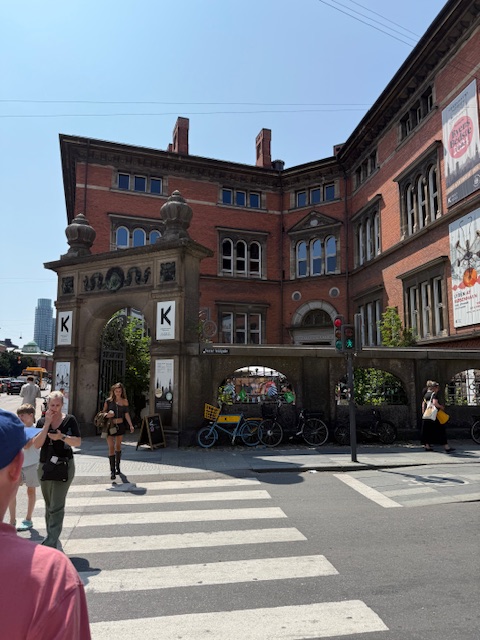
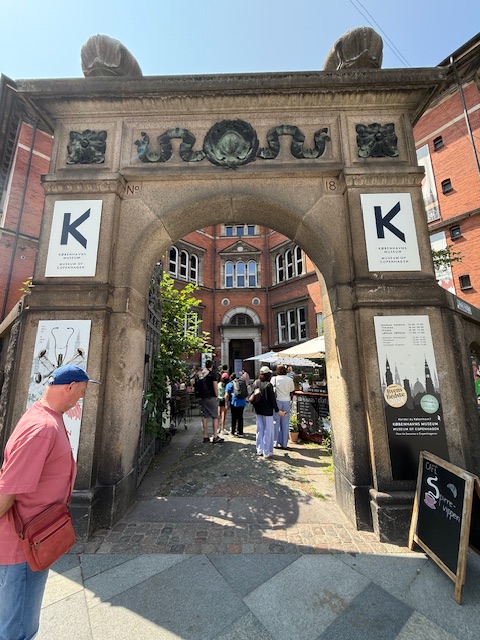
The Museum of Copenhagen
Tucked behind City Hall, the Museum of Copenhagen offers visitors a richly immersive journey through more than 800 years of the city’s fascinating past.
Known in Danish as Københavns Bymuseum, it is the city’s official museum and is dedicated to chronicling the story of Copenhagen and its people—from the Viking Age to the present day. This cultural institution not only presents a vivid portrait of the Danish capital’s development, but also explores what it truly means to be a Copenhagener.
The museum traces its roots back to 1901, originally hosting exhibitions in the attic of Copenhagen City Hall. As the collection expanded, it moved in 1956 to the historic premises of the former Royal Copenhagen Shooting Society in Vesterbro.
This 18th-century building, surrounded by what is now the public park Skydebanehaven, served the museum until its relocation in 2018 to its current, more central location in Stormgade. Today, the museum is operated by the City of Copenhagen and forms part of the Historie & Kunst collective, which includes the Thorvaldsen Museum and Kunsthallen Nikolaj.
The collection
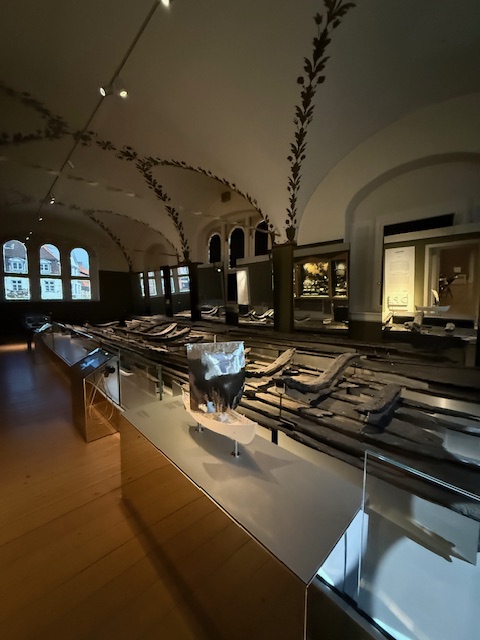
Stepping inside, visitors are invited to uncover the evolution of Copenhagen across the centuries. The permanent exhibition spans from around 12,000 BC to the modern day, with over 400 carefully selected artefacts that breathe life into the city’s milestones and everyday stories.
From the trading posts of the late Viking Age and the medieval origins of the city, through plagues, fires and wartime destruction, to the building booms of the 19th century and the countercultural rise of Christiania, the museum paints a broad yet intimate picture of Copenhagen’s past.
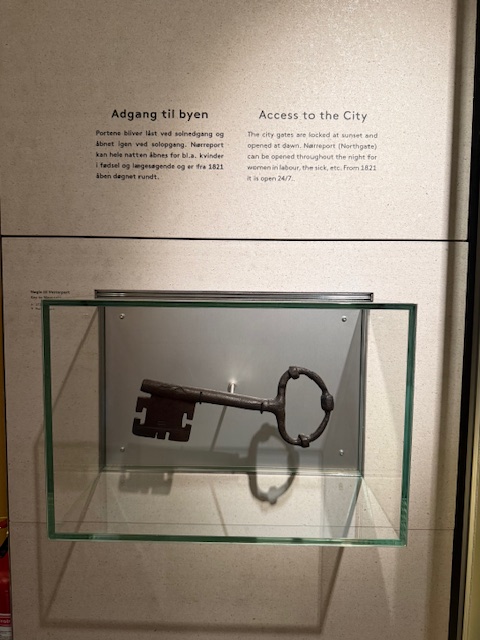
A highlight of the museum’s layout is its exploration of 14 key historical sites within the city. These include Slotsholmen, the political and administrative core since medieval times; City Hall Square, a stage for public celebration and protest; the royal family’s residences around Amalienborg Palace Square; and the culturally diverse bridge districts.
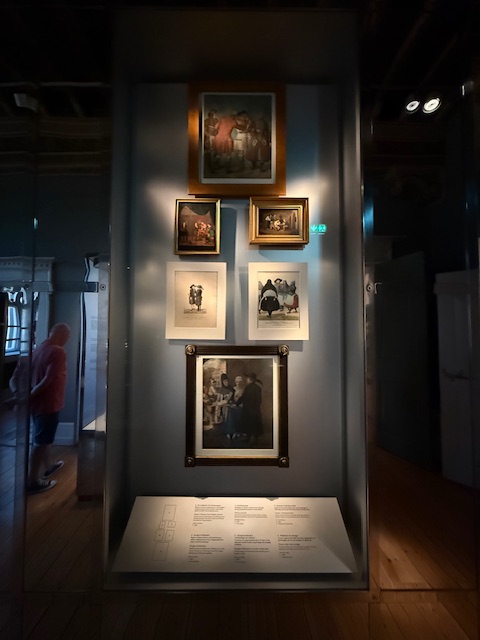
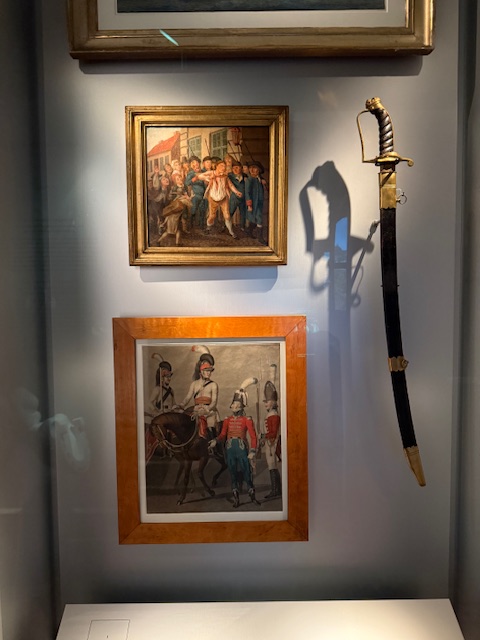
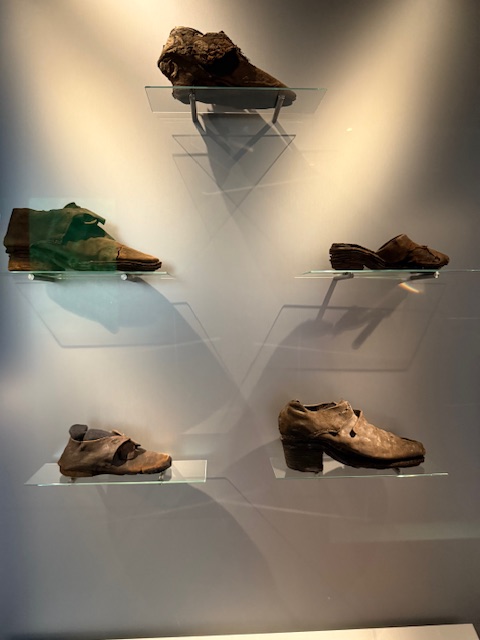
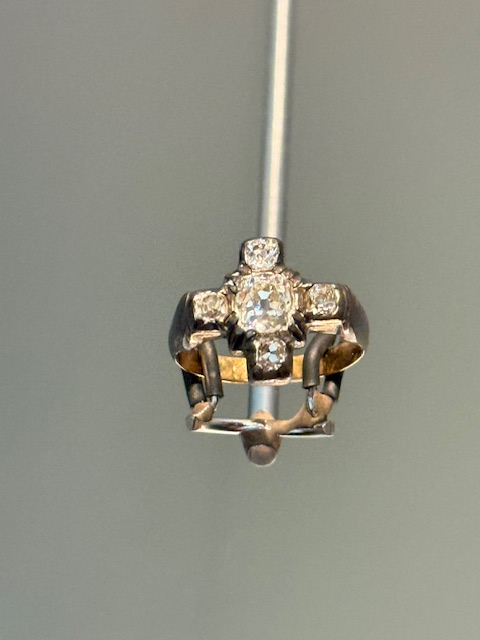
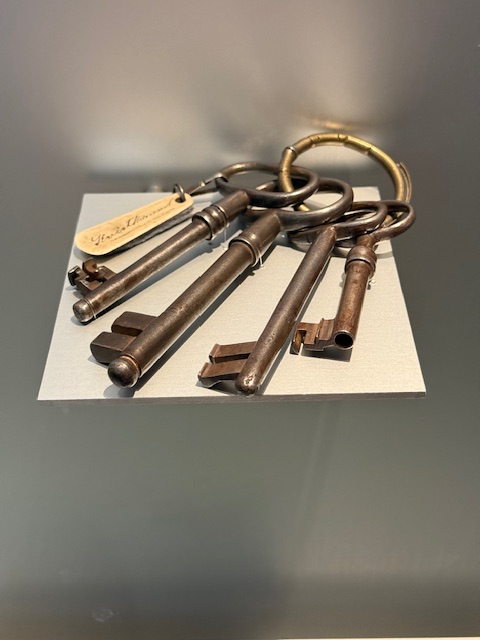
Each location is brought to life through compelling archaeological finds and historical objects that connect the visitor with the lives of Copenhageners across the ages.
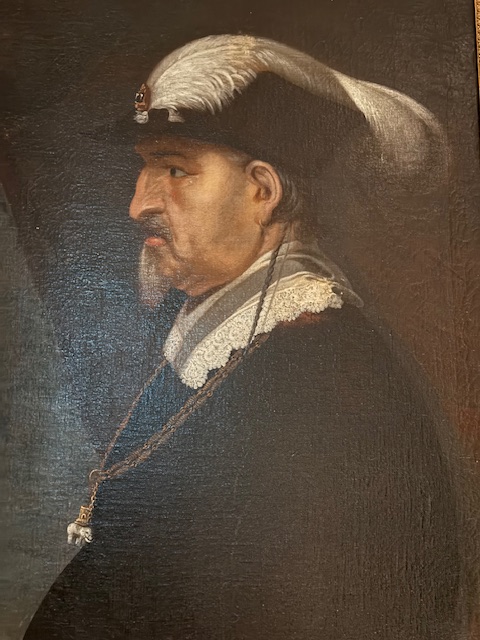
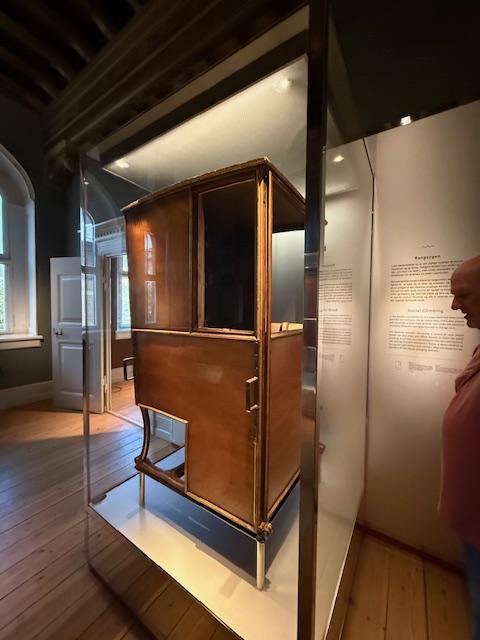
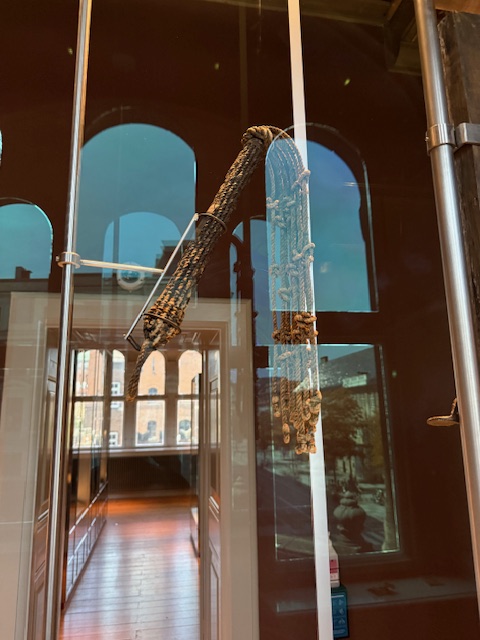
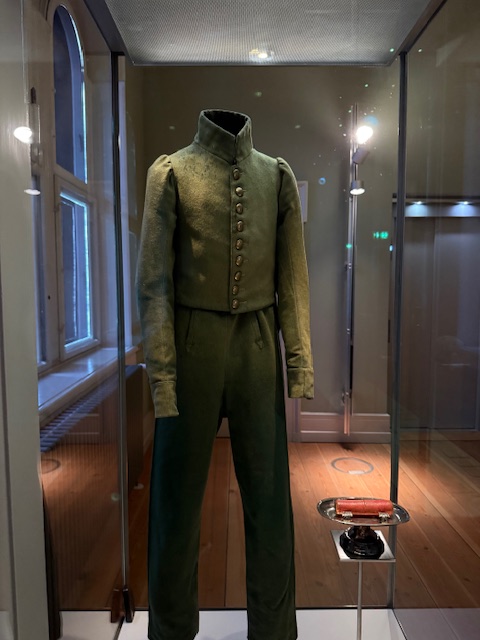
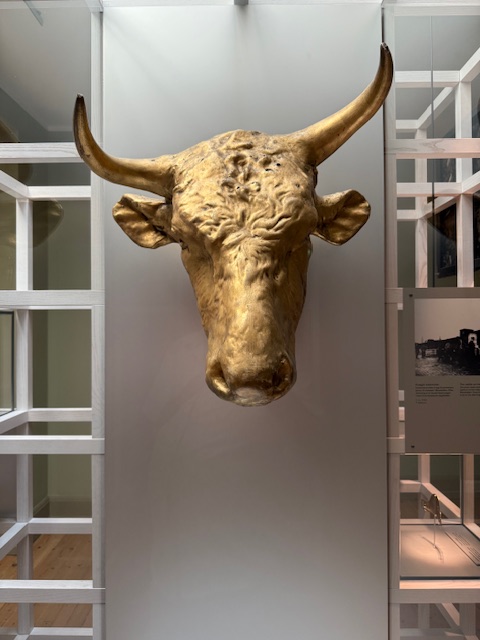
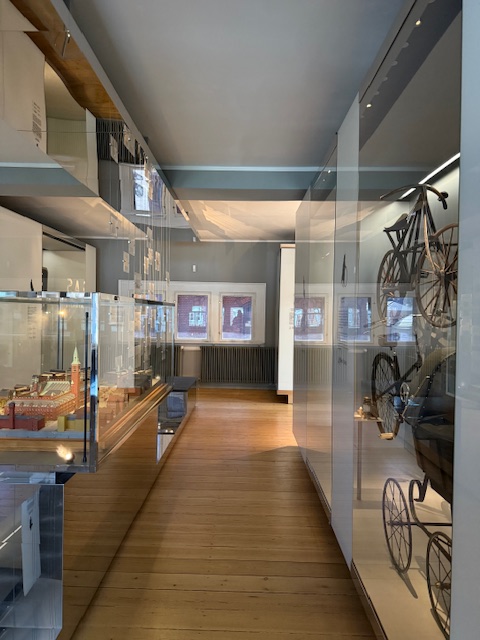
Among the exhibits are a well-worn Viking bone comb, a medieval warrior’s skeleton bearing the marks of battle, and an elegant 18th-century sedan chair—once a luxurious mode of transport for the city’s upper class. There’s also an early Copenhagen bicycle fashioned from wood, a charming reminder of the city’s enduring love affair with cycling.
Far from being a static archive, the Museum of Copenhagen embraces modern museology through interactive installations, immersive soundscapes, and multimedia displays.
Guests can engage with historical figures, try out elaborate 18th-century greetings influenced by French court etiquette, and hear the dramatic tale of jail-breaker Morten Frederiksen, whose final days were spent in the nearby Citadel. Visitors can also meet contemporary Copenhageners via video interviews, offering reflections on life in the city today.


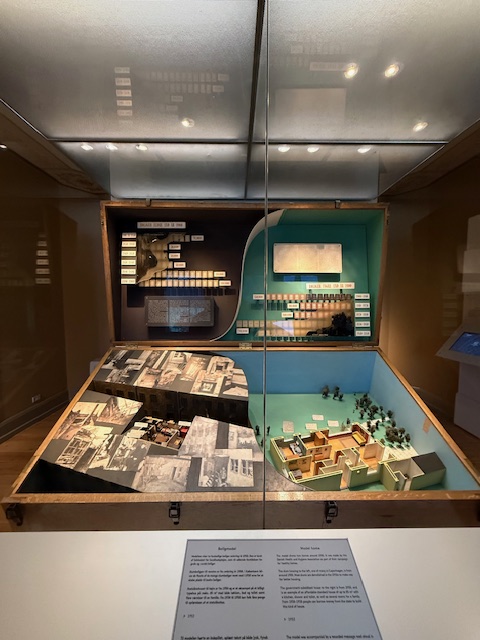

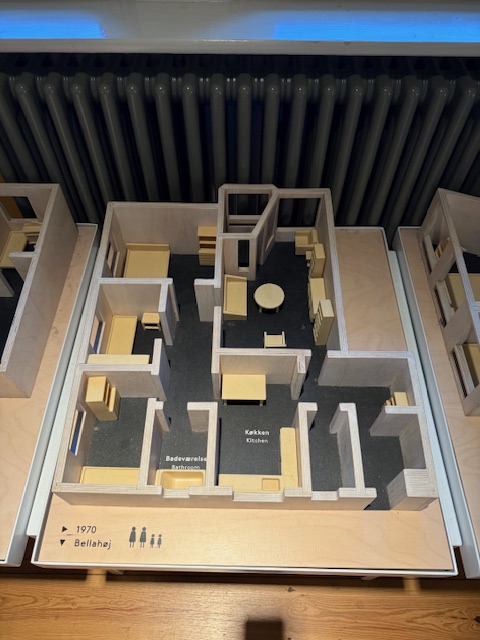
Model (of the) city
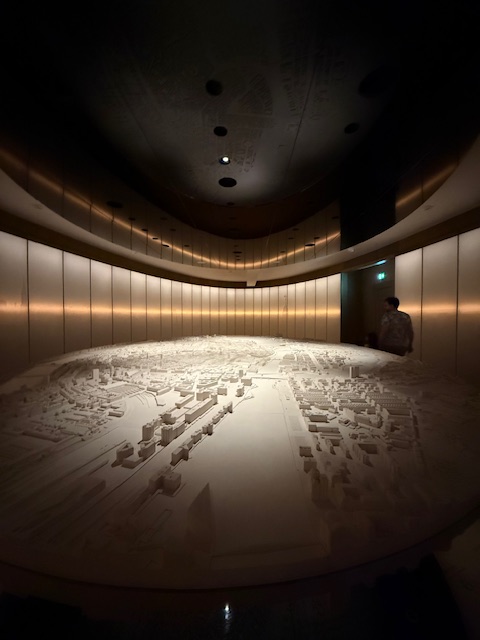
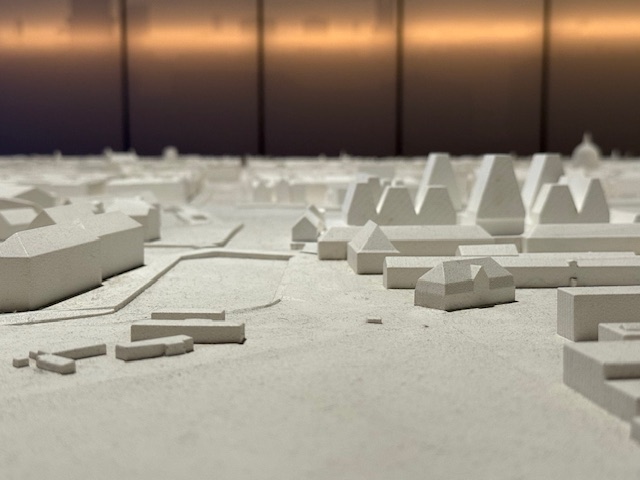
A standout feature is the museum’s large-scale interactive model of Copenhagen, providing a sweeping overview that helps contextualise the exhibits and inspires further exploration of the city itself.
An archaeological workshop invites guests to experience the thrill of uncovering history first-hand, while other displays examine subjects such as Jens Olsen‘s World Clock, a masterpiece of Danish engineering located just next door in City Hall.
The museum is not only a treasure trove of knowledge but also a place for reflection and enjoyment. Its café offers a peaceful spot to relax after a visit, with views over a historical city garden that recalls the green spaces of centuries past. Meanwhile, the museum shop allows visitors to take home a small piece of Copenhagen’s story, with thoughtfully curated souvenirs that reflect the city’s heritage.


A visit
Whether you stay for half an hour or several hours, the Museum of Copenhagen rewards its visitors with a wealth of insights, curiosities and historical revelations. We stayed a little over an hour.
It is an essential stop for anyone seeking to understand how Copenhagen has become the dynamic, resilient and uniquely Danish capital it is today.
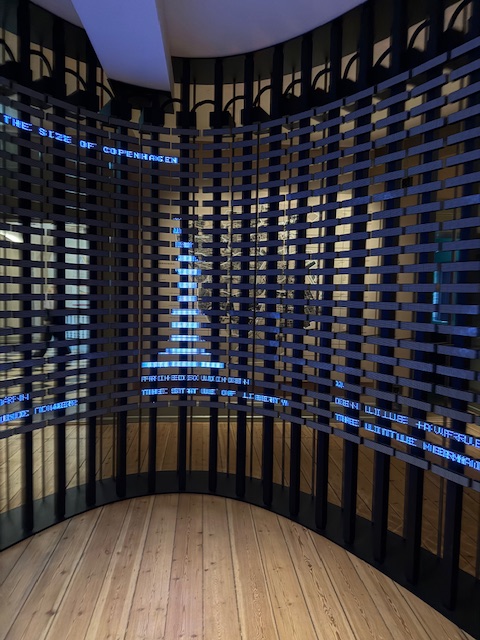
We especially liked the LED display with Copenhagen in numbers.
 Trip By Trip