
Tongeren (Tongres in French) in Limburg is the oldest city in Belgium, founded by the Romans in 10 AD as Atuatuca Tongrorum. Now it’s a city of 32,000 people and home of the Gallo-Roman Museum (Gallo-Romeins Museum). I hadn’t been since childhood. But until September 2024 the museum hosts the ‘Antiquity in Colour‘ exhibition so I visited to have a look.
In March 2024, I visited the Gallo-Roman Museum voor the ‘Antiquity in Colour’ exhibition. But obviously being there, I also visited its permanent exhibition.
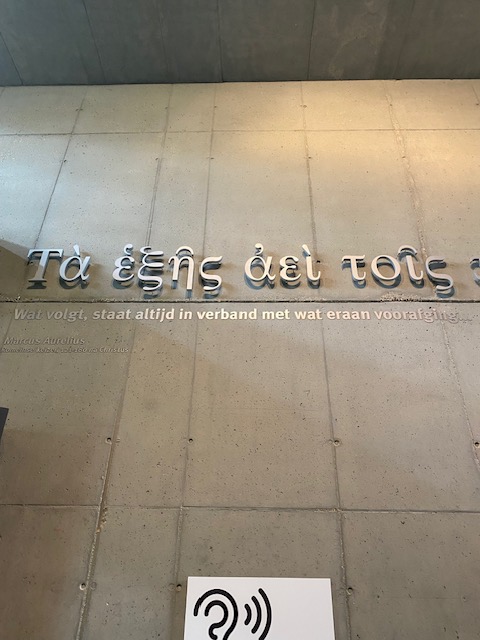
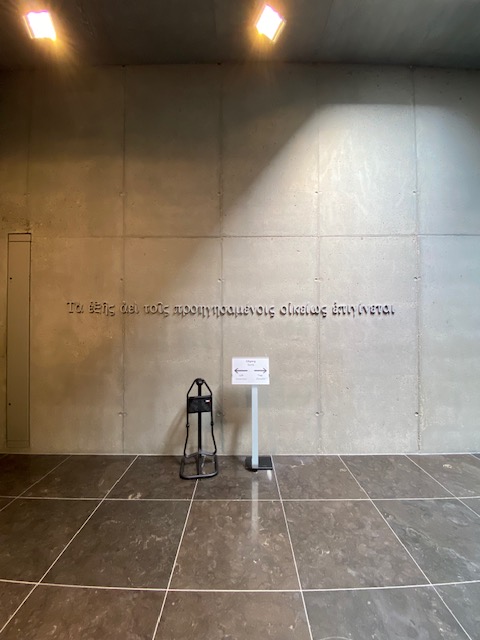
Τὰ ἑξῆς ἀεὶ τοῖς προηγησαμένοις οἰκείως ἐπιγίνεται
“Τὰ ἑξῆς ἀεὶ τοῖς προηγησαμένοις οἰκείως ἐπιγίνεται“. “What follows is always organically related to what went before”, Marcus Aurelius, Roman emperor and philosopher (121 – 180 AD), said. It’s also the motto of the museum.
“We cannot understand the present, let alone look ahead, without knowledge of the past. Archaeology allows us to see ourselves from a long-term perspective. Archaeologists think in terms of millennia. They give us insight into processes of continuity and change”, the Gallo-Roman Museum says.
“In developing the permanent exhibition, we were especially inspired by the words of the emperor-philosopher Marcus Aurelius. The display documents human life from prehistoric times to the early Middle Ages. Cause-effect relationships are central to this chronological story.”
“Marcus Aurelius is widely regarded as a paragon of a fair and humane ruler. Between 170 and 180 AD, he stayed on the Danube, then an outer border of the Roman Empire. There, he wrote his Meditations, private reflections on his ideals and doubts, which he called ‘Τὰ εἰς ἑαυτόν’, roughly, ‘Notes to myself’. Here we read his inspiring words.”


History of the museum
While its foundations were laid more than 150 years ago, the museum has expanded rapidly since the 1990s.
In the middle of the nineteenth century the Royal Tongeren Historical and Archaeological Society (Koninklijk Geschied- en Oudheidkundig Genootschap van Tongeren) began collecting archaeological finds. With the support of the provincial authorities, the Society also carried out excavation work. The objects were first put on public display in various locations in the city in 1854′, the museum says.
Up until the first half of the twentieth century the Society regularly acquired new collections, often donated by private individuals who also carried out excavation work. In 1937 the collection moved to the newly established Provincial Museum in the Beguinage in Hasselt.


Fully-fledged museum
1954 saw the launch of the first real museum initiative. Important archaeological finds from the region were collected and shown in the Provincial Gallo-Roman Museum in Tongeren.
The collection continued to grow, not least thanks to excavations carried out by what was then the National Department for Excavations, and to the museum’s own field organization and the many gifts. The museum displayed the objects in the traditional manner; it also organized the occasional temporary exhibition. The number of visitors increased to 20,000 a year. The museum became a regular destination for many schools.



Ambition of the province of Limburg
In the early 1990s, the Province of Limburg government decided to invest in a new museum building. The new museum opened in 1994.
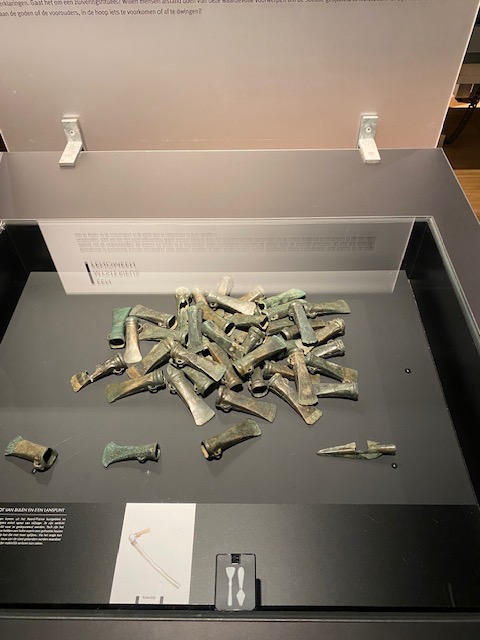
“The contemporary presentation of the collection, the well-founded educational programme and the accessible exhibition policy put the museum on the map. The collection grew. The museum acquired a cache of bronze axe heads (Heppeneert), a Celtic gold cache with a neck ring (Beringen) and a hoard of coins with Eburone staters (Heers) and others.
European Museum of the Year
The Gallo-Roman Museum continued to attract more visitors, reaching more than 100,000 a year, which the building could no longer accommodate. At the beginning of the new millennium, the Province of Limburg gave the green light for a new expansion. This came in 2009. It was co-financed by Flanders and the European Union.
A contemporary building was built that would be attractively integrated into the city. The new permanent exhibition was widely acclaimed. In 2011, the Gallo-Roman Museum was honoured with the title of European Museum of the Year.
In 2018, the Gallo-Roman Museum came under the management of the City of Tongeren, which has focused on further professionalisation.



From Neanderthal to Gallo-Roman
The permanent collection exhibition is called ‘From Neanderthal to Gallo-Roman’ and it does exactly that. Taking you on a journey from the first humans to the end of Roman imperial presence in the region.
“Discover the fascinating story of mankind in our region, from prehistoric times to the end of the Roman age. Neanderthals, the first farmers, Celts, Gallo-Romans and Germanic tribes: they all left their mark”, the website says.
A journey through time
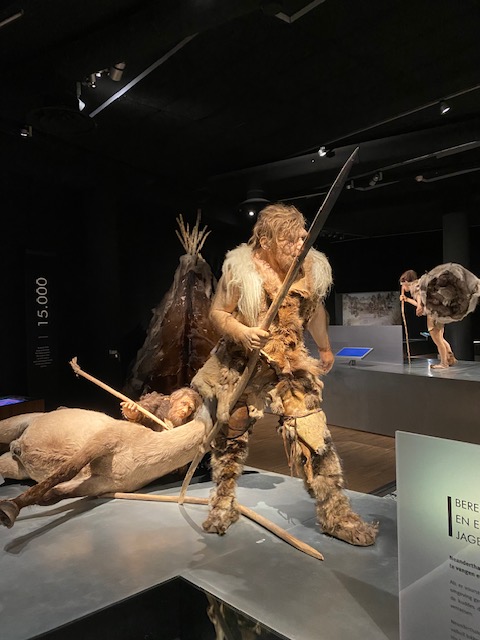
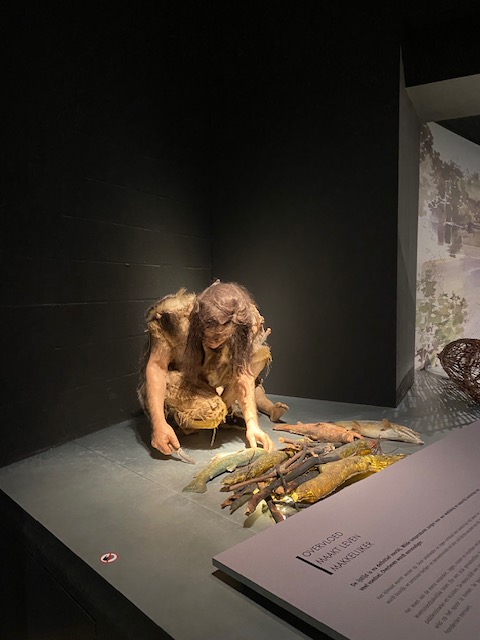
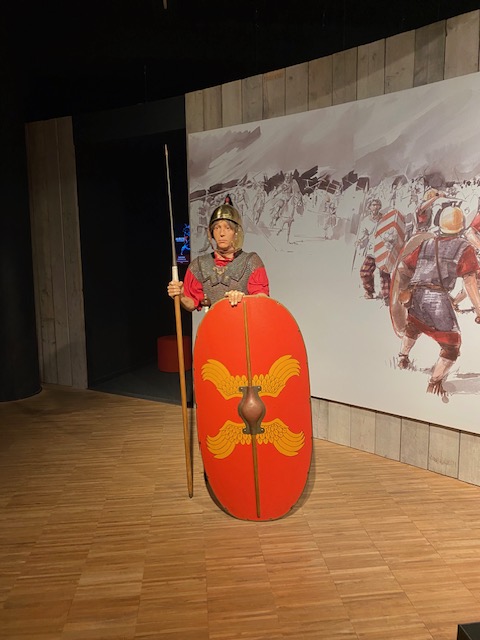
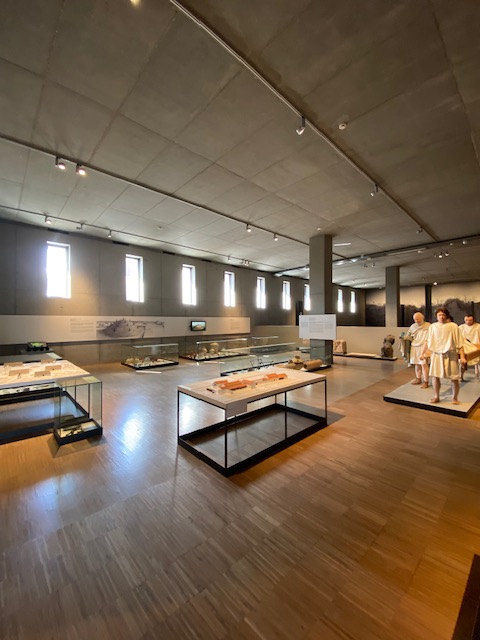
The Gallo-Roman displays over 2000 objects, including many masterpieces, in a contemporary and atmospheric presentation that reveals their full beauty. Films, models and lifelike figures in synthetic resin also transport you to those bygone times. This also makes the exhibition particularly attractive for children. There are plenty of displays you’re allowed to touch and feel.
One thing is certain: a visit to this exhibition is bound to inspire an enduring passion for the distant past. And you’ll probably see the present with new eyes, too.







Versatile collection
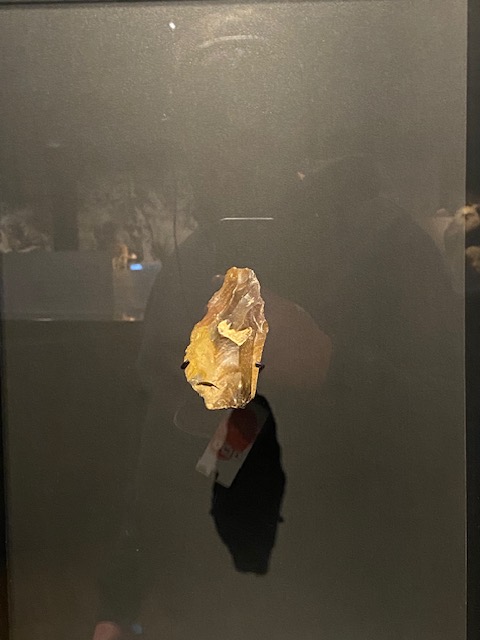
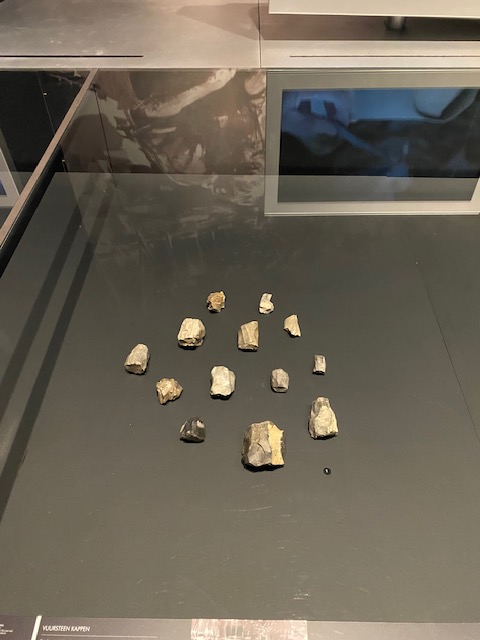
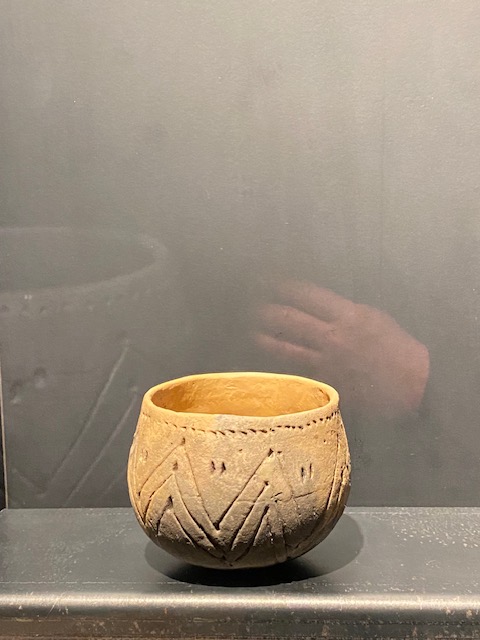
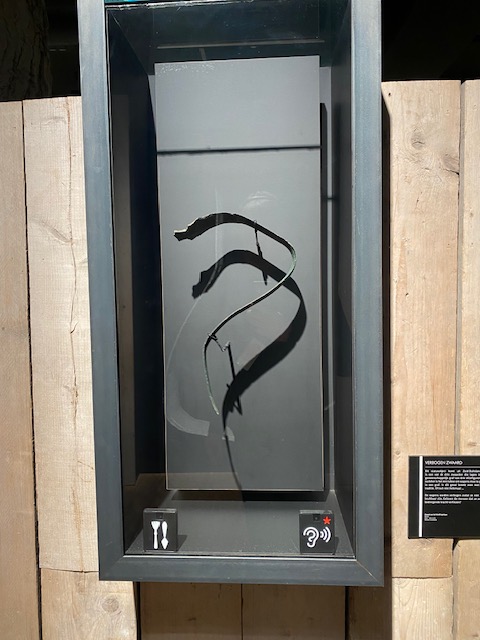
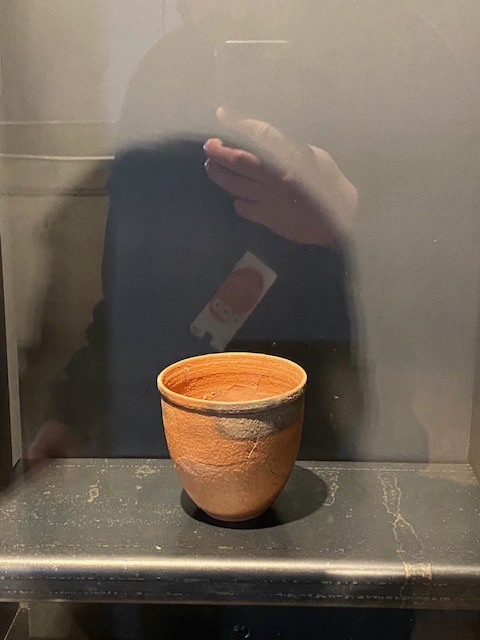
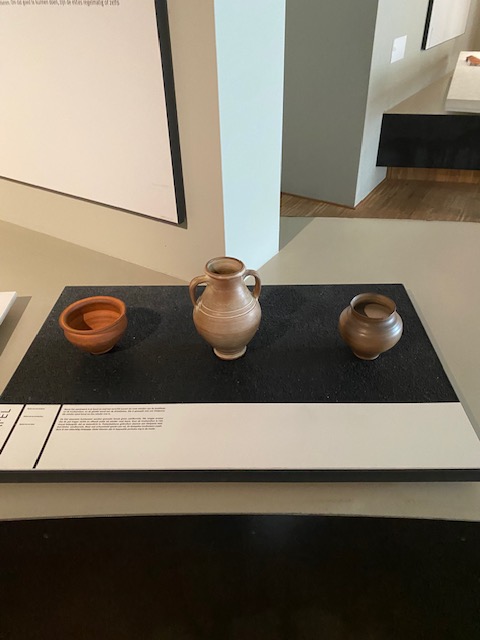
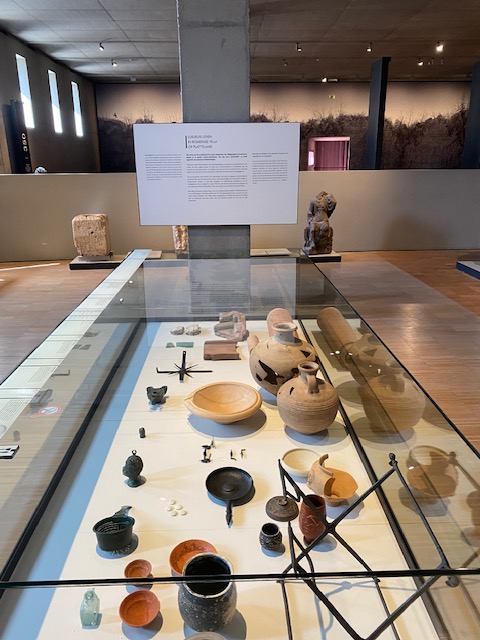
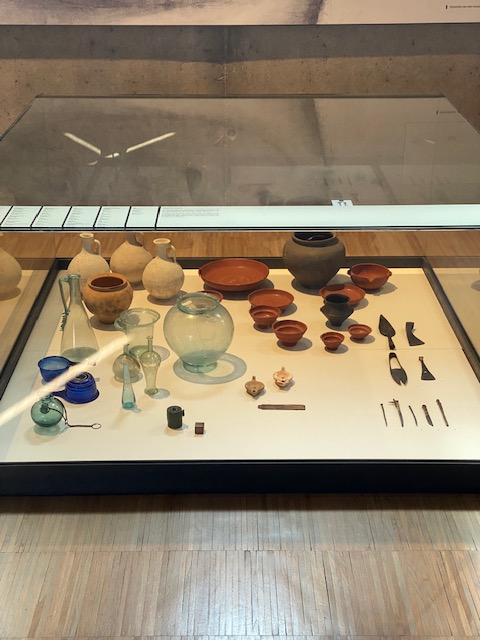
The museum displays objects from everyday life: flint tools used by the Neanderthals, earthenware pots from the first agricultural societies, stylish tableware from Roman times…
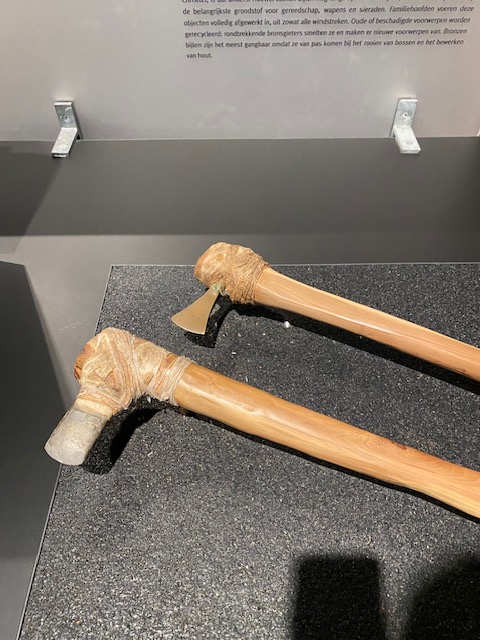
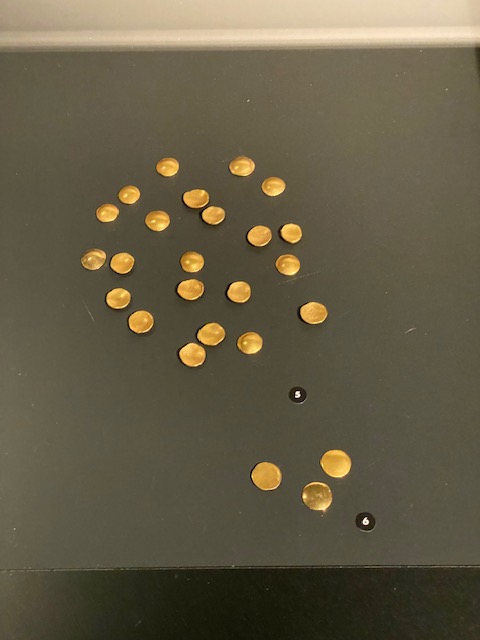
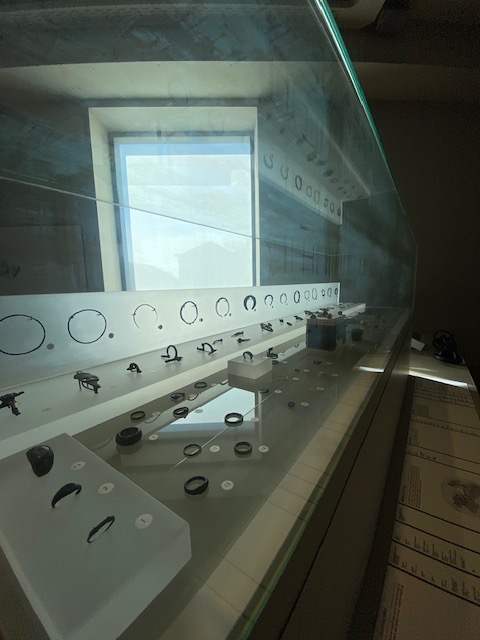
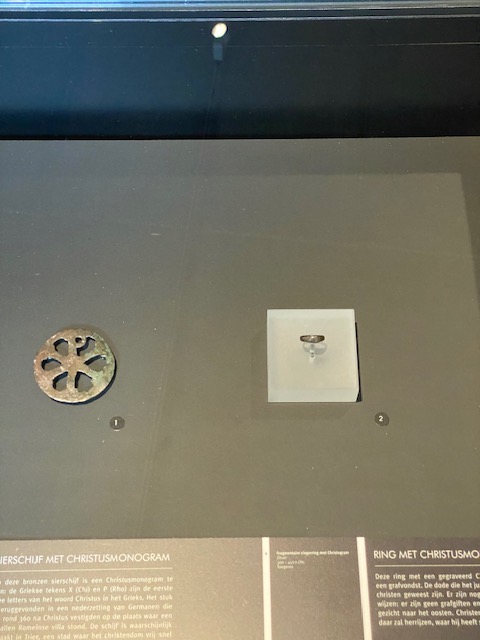
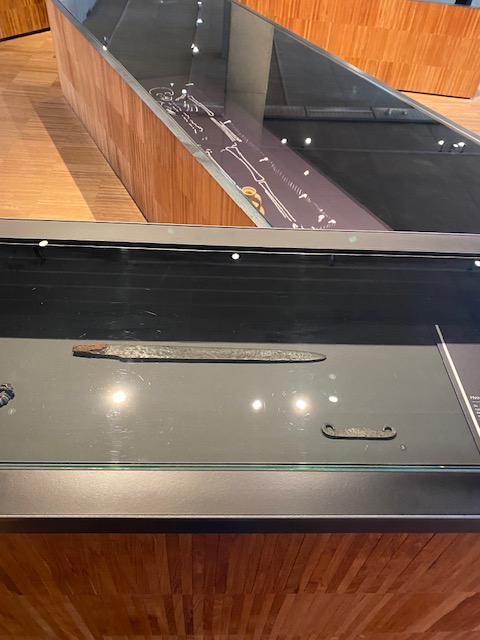
Many objects illustrate important social changes. For example, bronze swords demonstrate the emergence of an elite in the Iron Age. A unique hoard of gold coins speaks of the conquest of our region by the iconic Roman general Julius Caesar.
“Our core collection proves that Roman culture also took root in our region. There are impressive architectural fragments, elegant pieces of jewelry and a wide range of Roman statues of gods and Roman pottery. The wealth of artifacts from tumulus graves also appeals to the imagination.”
Educational and fun
The exhibition is perfectly suited for a visit with children. There are educational films, models and lifelike figures in synthetic resin. Interactive applications provide a playful way to discover the past.
Be sure to pick up the child-friendly audio guide on arrival. Archaeologist ‘Bob the Digger‘ talks enthusiastically about his love for the past. He guides children to the most fascinating objects, introducing them to the world in which our ancestors lived.
Bob also takes them behind the scenes at the museum where fun quiz questions will inspire kids to learn more – like: Who are the specialists he works with? Which pieces were his own finds? Kids are guaranteed a fascinating experience, from start to finish.



For adults
The audioguide announces the exhibition warrants two hours. If you don’t have two hours, special audioguide tags point to the highlights.
A visit
I didn’t have the patience for two hours, after visiting the temporary exhibition downstairs. So I navigated relatively quickly through the prehistoric section and then the start of (written down) history.
I’d say the Gallo-Roman Museum’s permanent collection is good basic one. Not in the sense of cheap or minimal, but in the sense of offering a good baseline with basic information about the Earliest Of Times in our region. You need to start somewhere, no?
So I will recommend the Gallo-Roman Museum for yourself or with children. The basic information will help you and them understand other museums and sites better.
Tongeren
I wish I had time and patience that Wednesday in March to also roam Tongeren, but I didn’t. A two or perhaps three-hour walk would have shown me Roman, Medieval and more recent Tongeren.
That will be for a next visit.


 Trip By Trip
8 Comments Add yours