
June 2024. For our first visit to the United States of America since the COVID-19 pandemic, we flew to New Orleans via London Heathrow with British Airways. After two days of exploring NOLA, Amtrak‘s Crescent overnight train brought us from Louisiana to New York, where we we stayed one night only before flying home.
Jet lag is annoying, but also a blessing. As we arrived in New Orleans around 8 PM, we swiftly ubered to the voco St. James Hotel where we had a decent night’s sleep. Obviously we were up early.
As it was hot and humid in NOLA, this presented the opportunity to explore before it got too hot.




Bus and streetcar the Garden District
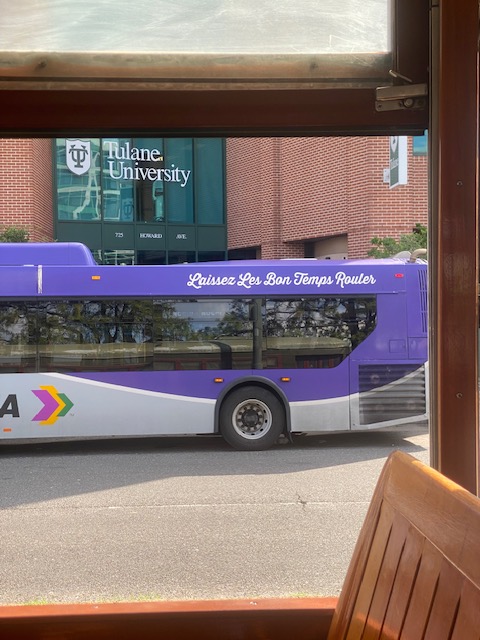
Noblesse oblige, we took a streetcar or tram to the Garden District, where we would start our day properly. After waiting fo a while at the streetcar stop, Danny got a notification on the RTA Le Pass app a section of the St. Charles Avenue Line was out of service and a bus replaced the streetcar. Fair enough. We took this very generic bus to a couple of stops further were we hopped on the streetcar.

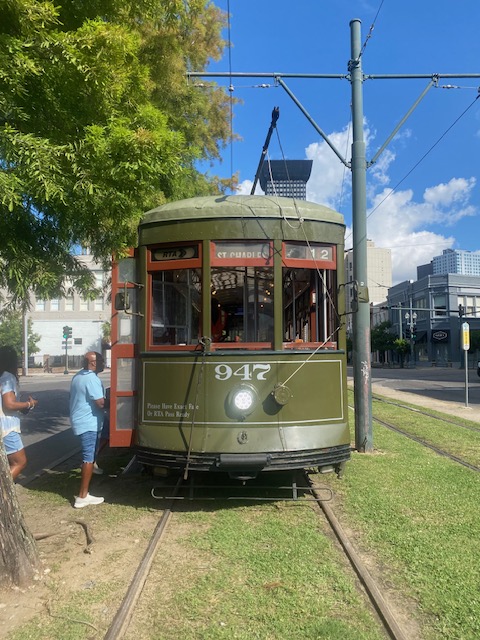
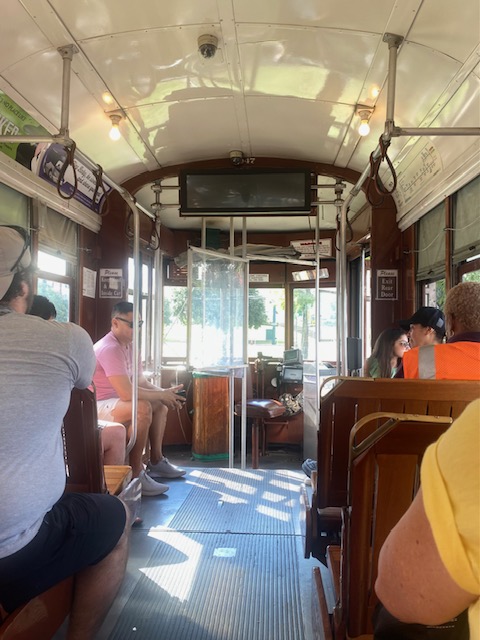
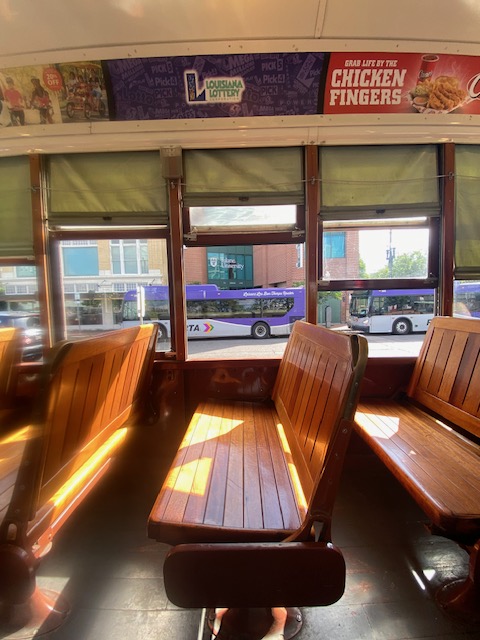


Streetcars in New Orleans
The streetcars in New Orleans are an iconic and integral part of the city’s transportation system, offering both residents and tourists a charming and practical way to traverse the city’s diverse neighbourhoods.
New Orleans’ streetcar system dates back to 1835. The first line, the St. Charles Avenue Line, originally used horse-drawn cars and was later electrified in 1893. Over the years, the streetcar network expanded, playing a crucial role in the city’s development by connecting various neighbourhoods and facilitating commerce.
The New Orleans streetcar system comprises several key lines, each offering a unique glimpse into the city’s character and landmarks:
- St. Charles Avenue Line: The most famous and oldest continuously operating streetcar line in the world. It runs from the edge of the French Quarter, through the Garden District, and Uptown to Carrollton Avenue. The green streetcars on this line pass by historic mansions, Loyola and Tulane Universities, and Audubon Park.
- Canal Street Line: This line was reintroduced in 2004 after being discontinued in the 1960s. It runs from the Mississippi River to Mid-City, providing access to major destinations such as the French Quarter, City Park, and the New Orleans Museum of Art. The red streetcars on this line are modern replicas of the historic cars.
- Riverfront Line: Introduced in 1988, this line runs along the Mississippi River, connecting the French Market to the Convention Center. It offers scenic views of the river and easy access to the French Quarter, Jackson Square, and the Aquarium of the Americas.
- Loyola Avenue Line: Opened in 2013, this line connects the Union Passenger Terminal to Canal Street, passing through the Central Business District. It serves as a vital link for commuters and visitors traveling between major transit hubs and the city’s core.
- Rampart-St. Claude Line: Opened in 2016, this line extends from the French Quarter along North Rampart Street and St. Claude Avenue, providing service to the Marigny and Bywater neighbourhoods.

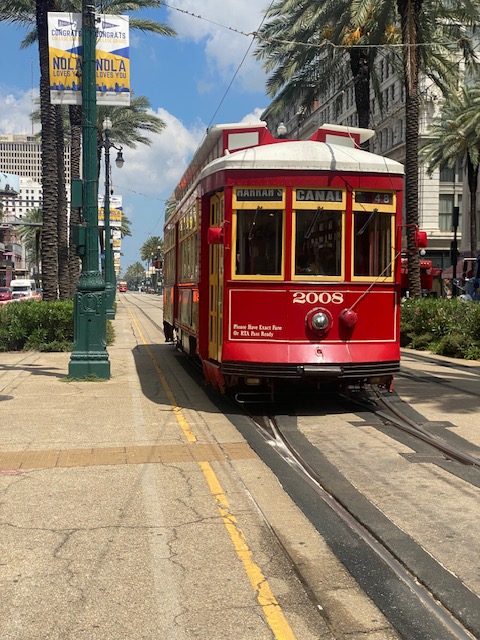


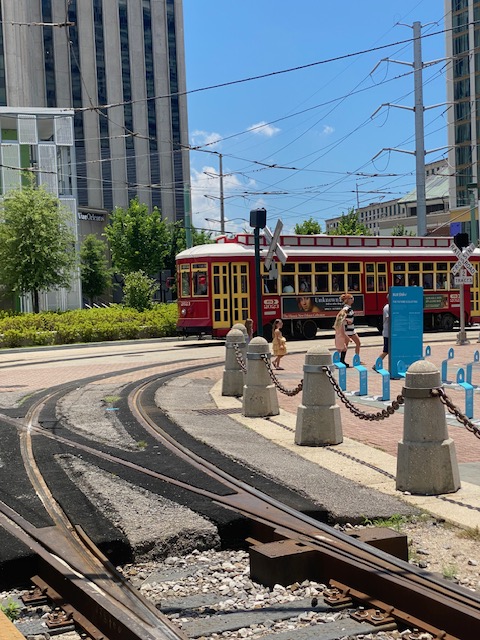

The historic cars, particularly on the St. Charles Avenue Line, feature wooden seats, brass fittings, and windows that can be opened to let in the breeze. The distinctive clang of the streetcar bell adds to the old-world charm.
While the streetcars are a beloved tourist attraction, they are also a vital mode of transportation for many locals. They are affordable, with a single ride costing just $1.25, and offer convenient access to various parts of the city. The streetcars run frequently, making them a practical option for daily commutes and leisurely explorations alike.
The New Orleans Regional Transit Authority (RTA) is committed to preserving the historic streetcars while ensuring they meet modern standards of safety and accessibility. Efforts include the restoration of vintage cars, maintenance of tracks, and integration of newer models that retain the aesthetic appeal of their predecessors.
During our stay in NOLA, we rode the St. Charles Avenue Line, the Canal Street Line and the Riverfront Line.
The Garden District
The Garden District in New Orleans is a historic and picturesque neighborhood renowned for its grand antebellum mansions, lush gardens, and vibrant atmosphere.
Located uptown, about three miles from the French Quarter, the Garden District offers a distinct contrast to the more boisterous areas of the city, providing a tranquil, elegant environment that reflects the city’s rich history and architectural heritage.
The Garden District was established in the early 19th century, primarily as a settlement for newly wealthy Americans who came to New Orleans after the Louisiana Purchase in 1803. These Americans wanted to distinguish themselves from the Creole population living in the French Quarter.
By the 1830s and 1840s, the area began to flourish, with magnificent homes being built on large plots of land, creating a suburban retreat for the affluent.
The neighborhood is a showcase of Greek Revival, Italianate, and Victorian styles. Many of the homes are adorned with intricate wrought-iron fences, sprawling verandas, and opulent interiors.
Some notable examples include the Robinson House, one of the oldest structures in the area, and the Buckner Mansion, which is famous for its role in the television series ‘American Horror Story‘.
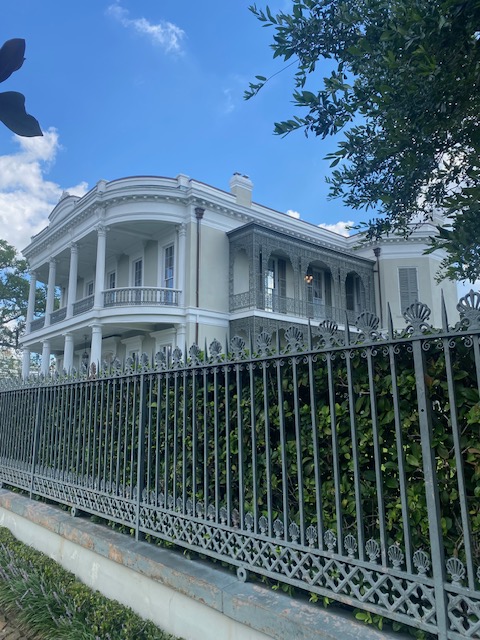

The Garden District is characterized by its verdant gardens and tree-lined streets. Magnolias, oaks, and vibrant flowerbeds are a common sight, adding to the neighborhood’s charm.
The layout of the district was designed to ensure that each property had ample space for gardens, which were seen as symbols of wealth and status. Walking through the area, one can enjoy the sight of cascading vines, meticulously maintained lawns, and fragrant blooms that enhance the aesthetic appeal of the historic homes.
While the Garden District is primarily residential, it also boasts a thriving cultural and social scene. Magazine Street, which runs along the edge of the district, is lined with boutique shops, art galleries, restaurants, and cafes.
This commercial corridor provides residents and visitors with a variety of dining, shopping, and entertainment options. The district is also home to some famous eateries, like Commander’s Palace, an iconic restaurant known for its Creole cuisine and vibrant jazz brunches.
Efforts to preserve the district include strict zoning laws and active participation in the upkeep of public spaces. The neighbourhood also fosters a strong sense of community, with many events and activities that bring residents together, such as home tours and garden parties.


The ferry to Algiers Point
After roaming the Garden District, we walked back to the Robert E. Lee Monument at Tivoli Circle (previously Lee Circle and before that Tivoli Circle) as waiting for the streetcar proved too long. the statue of the Confederate general was removed in 2017. So there’s only the perch.

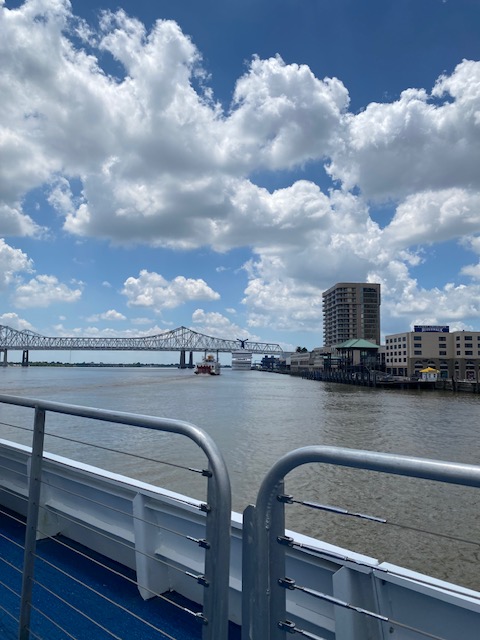
From the Monument we took the replacement bus to Canal Street and there a streetcar to the Mississippi River. After some refreshments at The Outlet Collection at Riverwalk, near Spanish Plaza (which is a reference to the Plaza de España in Seville), we took the ferry to Algiers Point. The ferry is run by the RTA so if you take the 3-dollar Jazz Pass for the day, it’s included.


Algiers Point
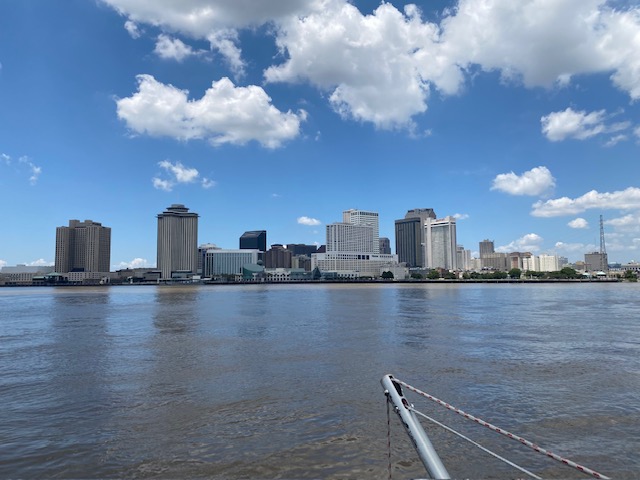
Algiers Point is located on the west bank of the Mississippi River directly across from the French Quarter. The area is known for its well-preserved 19th-century architecture.
Algiers Point is one of the oldest neighborhoods in New Orleans, with a history dating back to 1719 when it was initially established as a plantation. Over the years, it evolved into a significant maritime and industrial hub. The neighborhood’s strategic location made it an important site for shipbuilding, repairs, and trade. In the 19th century, it developed into a residential area, attracting a diverse population.
The architectural landscape of Algiers Point is a treasure trove of well-preserved buildings from the late 19th and early 20th centuries. The neighborhood features a mix of Greek Revival, Victorian, and Creole cottages, many of which have been meticulously restored.
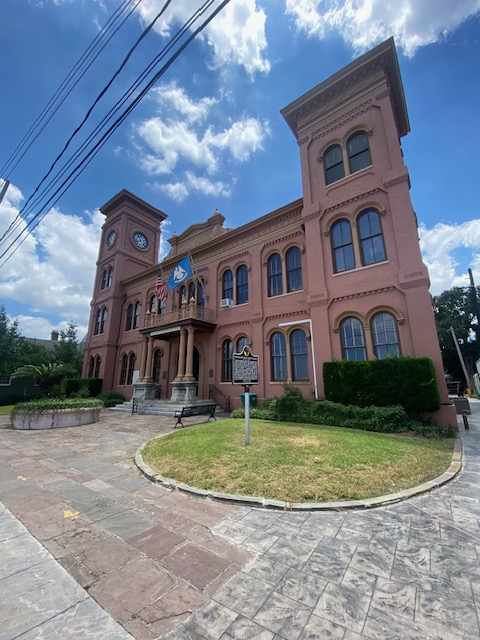
Notable structures include the Algiers Courthouse, built in 1896, and numerous charming homes with ornate ironwork, colorful facades, and lush gardens. The area’s designation as a historic district helps preserve its unique character and charm.
One of Algiers Point’s most appealing features is its scenic riverfront. The levee along the Mississippi River offers stunning views of the New Orleans skyline, particularly at sunset. The riverfront is a popular spot for walking, biking, and picnicking.
Additionally, the neighborhood is home to several parks, including the peaceful Algiers Point Park and the vibrant Mardi Gras World, where visitors can learn about the city’s famous carnival traditions.
We did not stay long in Algiers Point. While the neighbourhood is described as a “hidden gem”, we did not venture far inland. The area seemed very quiet. As it was getting really warm, we decided to head back to the other side and have lunch.


Jackson Square and local cuisine
From the ferry port, se took the Riverfront Line streetcar to the French Quarter and Jackson Square, named after local hero and US president Andrew Jackson.
Originally known as Place d’Armes, Jackson Square has been a central gathering place since the city’s founding in 1718. It was designed after the Place des Vosges in Paris, reflecting the French influence on New Orleans’ urban planning.
The square was renamed in 1856 to honor Andrew Jackson, the hero of the Battle of New Orleans during the War of 1812, and a statue of Jackson on horseback was erected in 1856 as a tribute.
Jackson Square is surrounded by examples of colonial Spanish and French architecture. Dominating the north side of the square is the majestic St. Louis Cathedral, the oldest continuously active Roman Catholic cathedral in the United States.

Flanking the cathedral are the Cabildo and the Presbytère, both historic buildings now serving as museums. The Pontalba Buildings, with their distinctive ironwork balconies, frame the east and west sides of the square and house shops, restaurants, and apartments.


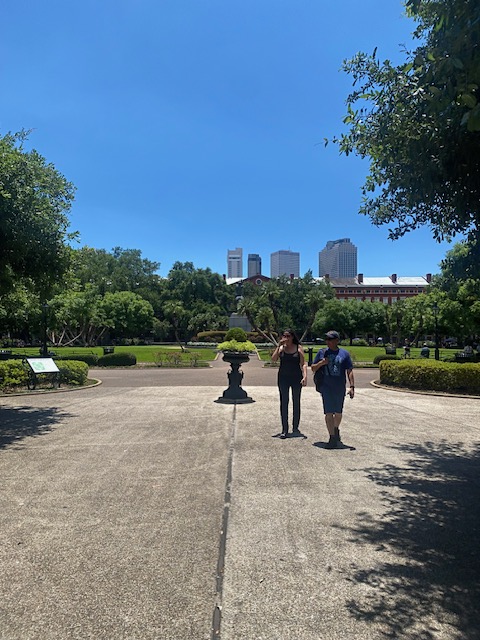
The square itself is a beautifully manicured park with lush gardens, ornate benches, and pathways. At the center stands the equestrian statue of Andrew Jackson, a focal point for visitors and locals alike. The park’s symmetrical design and vibrant flower beds create a picturesque setting, perfect for leisurely strolls or relaxing in the shade.
Jackson Square is renowned for its lively street performances and artistic community. The square is lined with local artists who display and sell their work, ranging from paintings and sketches to handmade crafts.
Musicians, magicians, and performers of all kinds entertain the crowds, adding to the square’s dynamic and festive atmosphere. It is also a popular spot for tarot card readers, caricature artists, and other entertainers who contribute to the area’s bohemian vibe.

Jackson Square is a focal point for many of New Orleans’ major events and celebrations. It plays a central role in the city’s Mardi Gras festivities, with parades often passing by or starting from the area. The square also hosts concerts, festivals, and cultural events throughout the year, such as the French Quarter Festival and Caroling in Jackson Square during the Christmas season.
Beyond the square itself, Jackson Square is surrounded by a wealth of attractions. The famous Café du Monde, known for its beignets and café au lait, is just a short walk away.
The French Market, a bustling marketplace with a variety of vendors selling food, crafts, and souvenirs, is also nearby. Additionally, the Mississippi Riverfront, with its scenic views and the historic steamboat Natchez, is just a few steps from the square.
We had lunch at Monty’s on the Square, we we both had the Cajun Trio: “Combination of New Orleans style red beans, jambalaya, and your choice of either chicken & sausage gumbo or seafood gumbo. Served with Cajun smoked sausage and Leidenheimer French bread.”
 Trip By Trip
15 Comments Add yours