
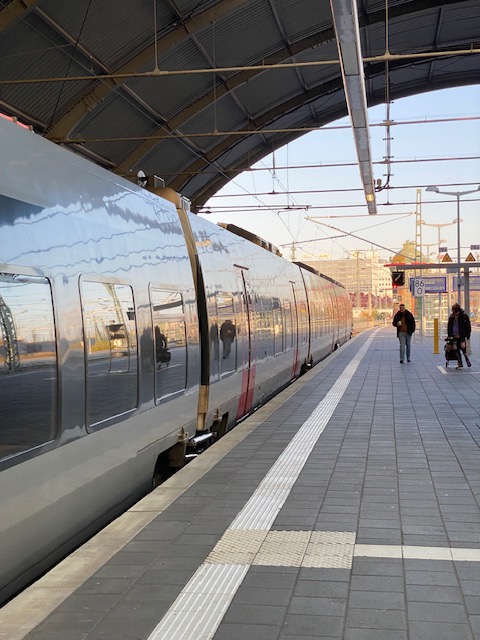
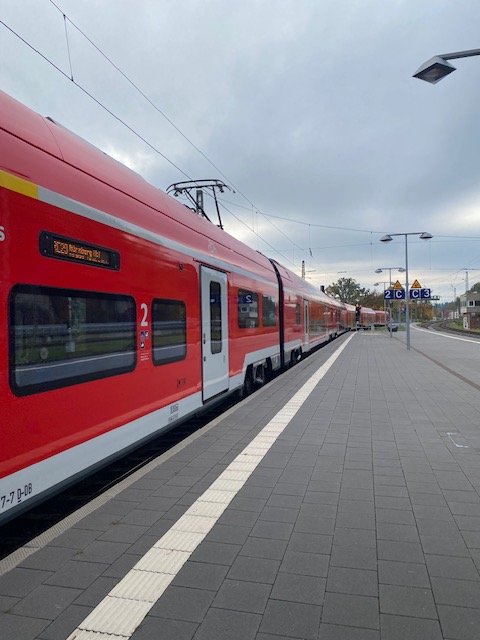
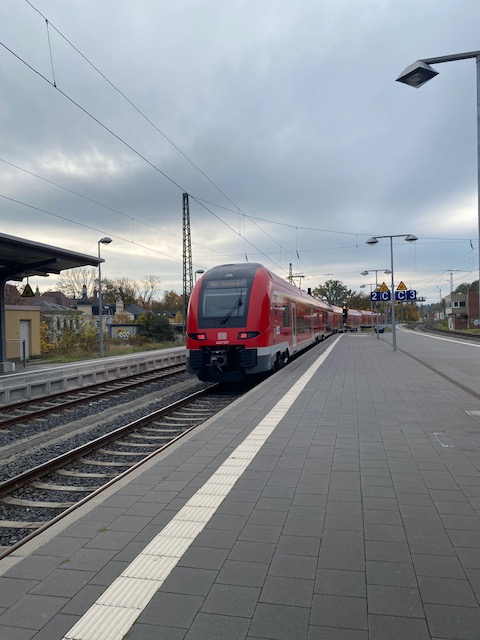
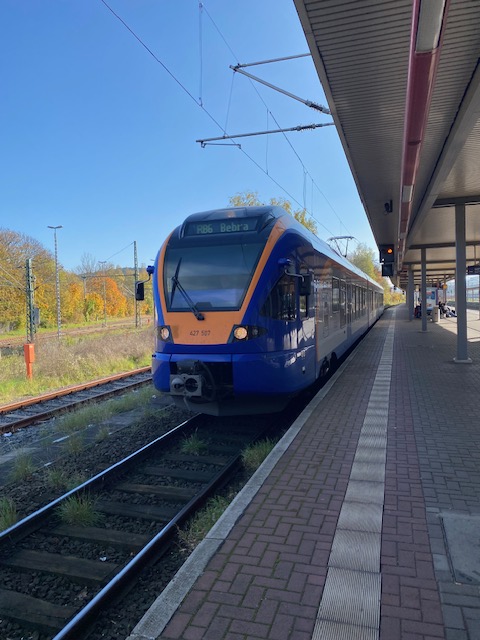
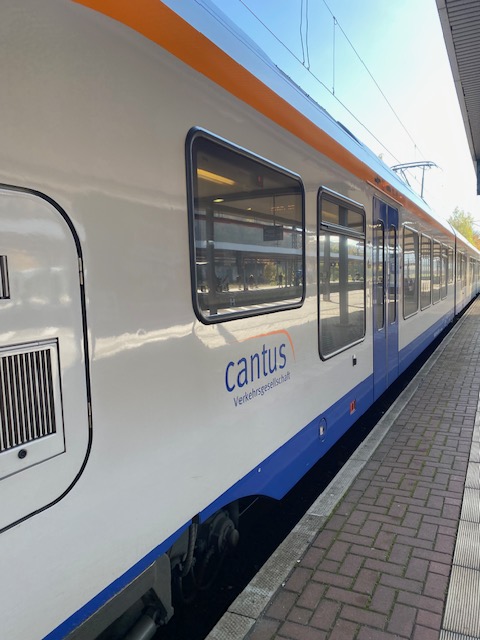
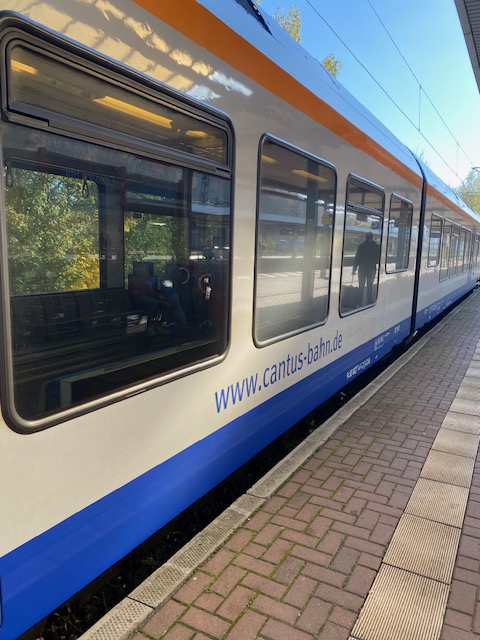
October 2024. During a week-long whistle-stop tour of Germany, we visit Dessau-Roßlau in Saxony-Anhalt, Weimar in Thuringia, Coburg in Upper Franconia (Bavaria) and Kassel in Hesse. Smaller cities, yes. But each with their own significance. Untouched by overtourism. We’re avoiding using the white trains of DB Fernverkehr, Deutsche Bahn‘s long-distance section and opt to use the red trains of DB Regio and other regional operators.


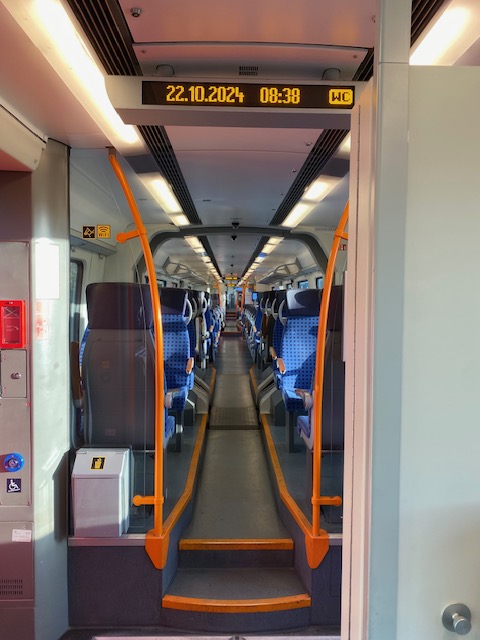

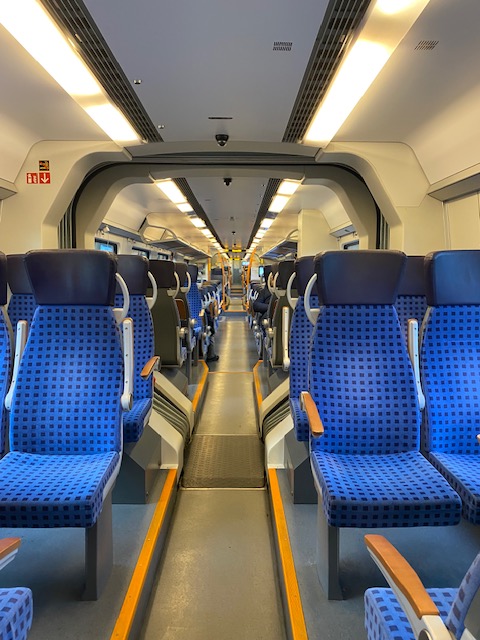
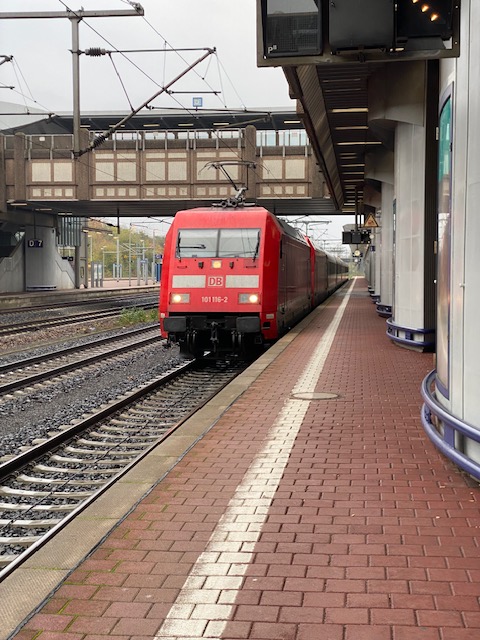
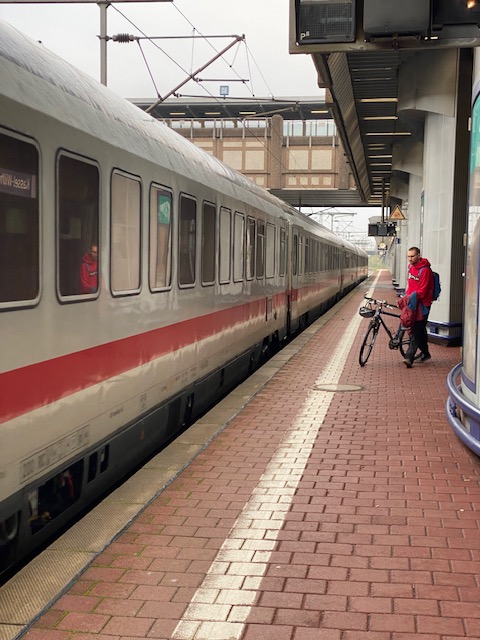
When you think of trains in Germany, chances are you think of the predominantly white (with a red stripe), high-speeds Siemens sets. You have probably heard Deutsche Bahn has abandoned the (in)famous Deutsche Pünktlichkeit or German Punctuality. DB Fernverkehr is plagued by delays, sometimes long delays.
But there’s another way to travel throughout Germany, and that is using its regional trains. Perfect for a railway equivalent if a road trip. Perfect for a railroad trip.

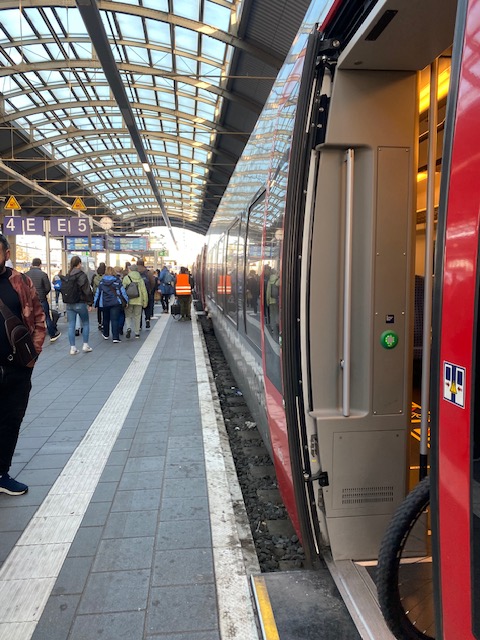

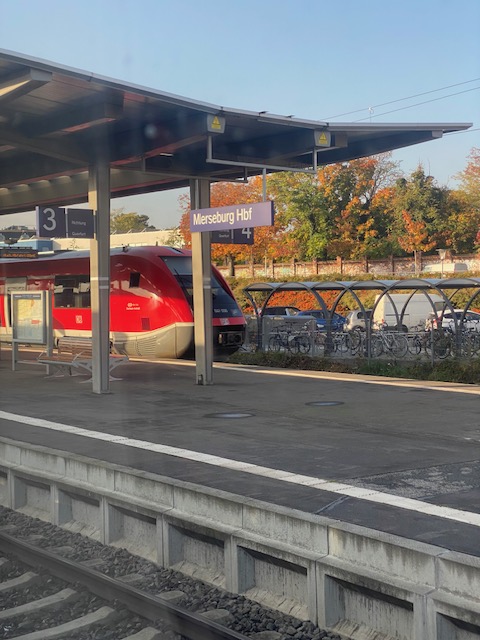


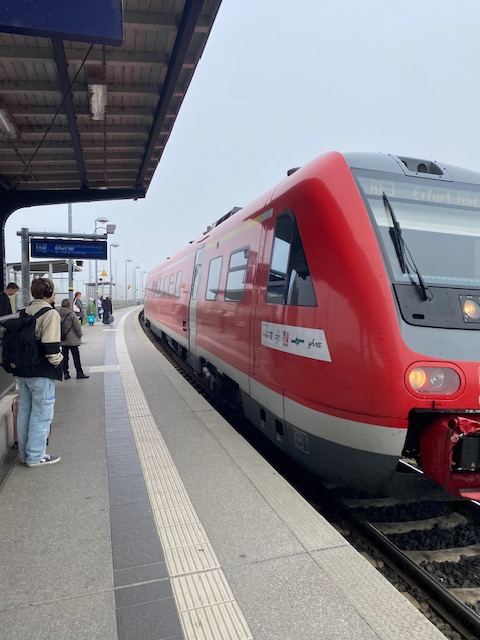
Types of trains in Germany
Germany has a highly efficient and diverse rail network with several types of trains catering to different needs.
- Intercity-Express (ICE): The flagship high-speed train of Deutsche Bahn, offering fast, long-distance travel between major cities and neighbouring countries. It reaches speeds of up to 300 km/h (186 mph).
- Intercity (IC): Provides long-distance services, connecting cities not served by ICE trains, but at slightly slower speeds.
- EuroCity (EC): Similar to IC trains but focuses on international routes within Europe.
- EuroCity Express (ECE): A category of Eurocity train marketed by Deutsche Bahn that runs on two routes as of 2021. It was created to classify a newly introduced international high speed train service in a higher category – equivalent to the Intercity-Express – than the existing Eurocity, which is equivalent to the second tier domestic Intercity. The two routes are Frankfurt to Milan and Munich to Zurich.
- Interregio-Express (IRE): Local public transport railway service operated by the Deutsche Bahn which is only available in the states of Baden-Württemberg, Bavaria, Saxony, Saxony-Anhalt and Berlin as well as in Switzerland (Basel Badischer Bahnhof, Schaffhausen). The IRE service was first introduced in the 2001 summer timetable, due to the increasing abolition of Interregio (IR) routes by DB Fernverkehr.
- Regional-Express (RE): Serves regional routes, with fewer stops than local trains, connecting smaller towns and cities with regional hubs.
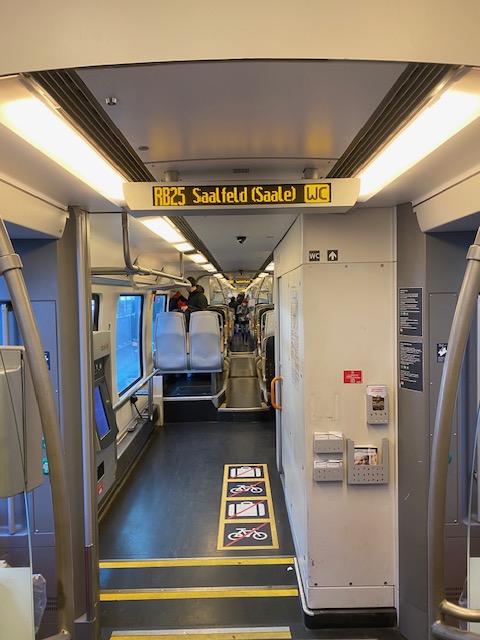
- Regionalbahn (RB): Stops at almost every station on a route, serving local and suburban areas.
- S-Bahn: Suburban commuter trains operating in metropolitan regions, integrating urban and regional transport.
- Nightjet (NJ): Operated by the Austrian Federal Railways (ÖBB), offering sleeper services across Germany and neighbouring countries.
- EuroNight (EN): International night trains connecting Germany with other European countries.

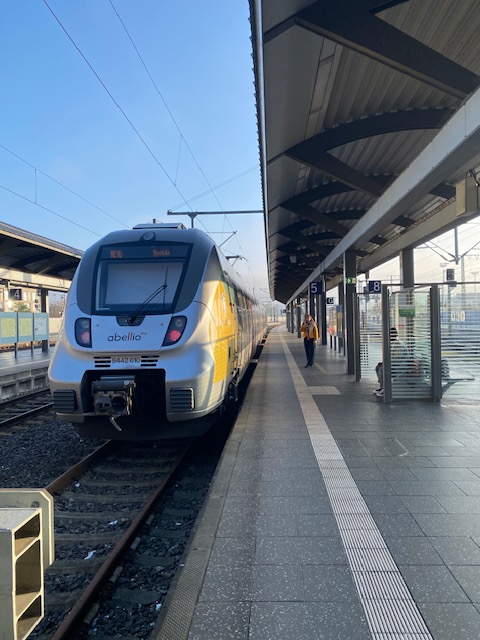
Other trains
There are also international players operating in Germany
- Eurostar, formerly Thalys: High-speed international trains linking Germany with Belgium, France, and the Netherlands.
- TGV: Operated by SNCF, connects Germany with France on high-speed routes.
- FlixTrain: A budget long-distance train service operated by FlixMobility, complementing the popular FlixBus.
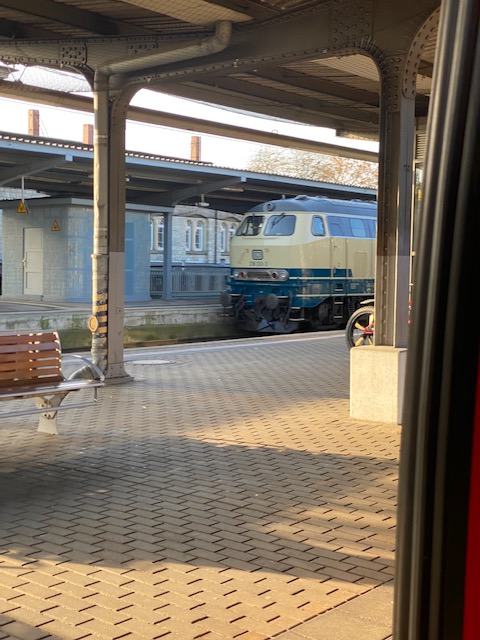
- Private regional services: Some regions have privately-operated trains that supplement Deutsche Bahn’s services, such as Metronom or MRB.
- Heritage and tourist Trains: Steam and historical trains, such as the Harz Narrow Gauge Railways, cater to tourists and train enthusiasts.
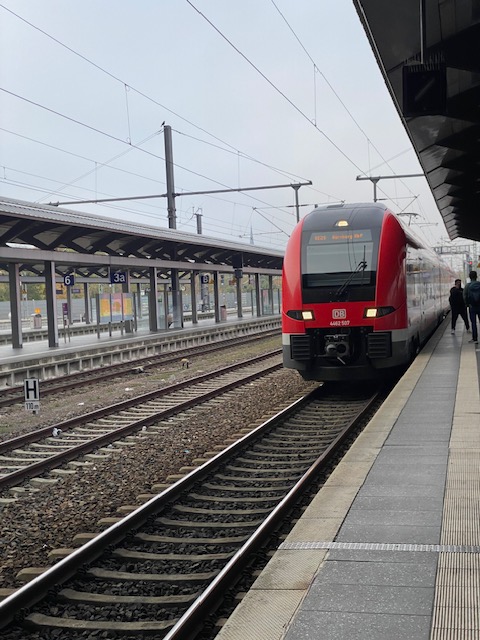


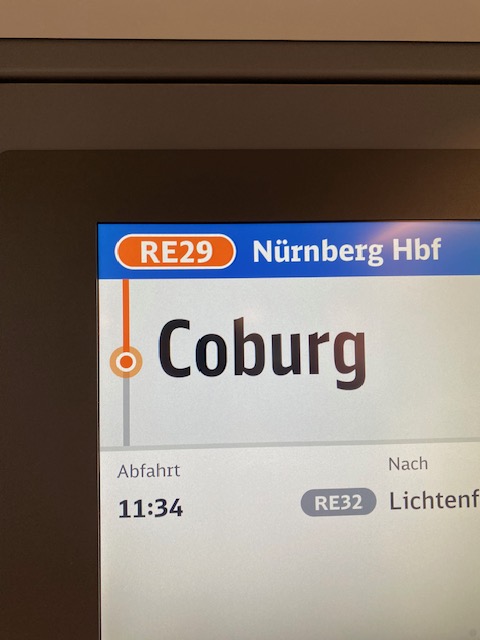


Railways in Germany
As of 2021, Germany’s railway network spanned 33,399 kilometres (20,753 miles), with 20,540 kilometres (12,760 miles) electrified and 18,556 kilometres (11,530 miles) consisting of double track. Germany is a member of the International Union of Railways (Union Internationale des Chemins de fer, UIC), and its UIC country code is 80.
In the 2017 European Railway Performance Index, Germany ranked fourth among national European rail systems, based on intensity of use, quality of service, and safety. The country received a very good rating for its intensity of use by both passengers and freight, alongside good ratings for service quality and safety. Germany also demonstrated a strong return on public investment, achieving cost-to-performance ratios that exceeded the European average.
In recent years, its good reputation has taken hit after hit. Disinvestment doesn’t go unpunished and punctuality on ICE’s is terrible.


History of railways in Germany
German rail history began with the opening of the steam-hauled Bavarian Ludwig Railway between Nuremberg and Fürth on 7 December 1835. The first long-distance railway, the Leipzig–Dresden Railway, was completed on 7 April 1839. This period saw rapid expansion: by 1845, Germany had over 2,000 kilometres (1,200 miles) of railroads, a number that grew to over 8,000 kilometres (5,000 miles) by 1855.
German unification in 1871 spurred further growth, consolidation, and nationalisation into state-owned companies. Unlike France, where railways were centralised, Germany’s railway expansion was designed to support industrialisation, resulting in dense networks across industrial regions such as the Ruhr and strong connections to ports like Hamburg and Bremen.


By 1880, Germany operated 9,400 locomotives, carrying 43,000 passengers and 30,000 tonnes of freight, surpassing France. By 1915, Leipzig Hauptbahnhof had become one of the largest stations globally.
Under the Weimar Republic, the Deutsche Reichseisenbahnen, later Deutsche Reichsbahn, was established on 1 April 1920.
During World War II, simplified ‘war locomotives’ (Kriegslokomotiven) were produced to minimise costs and construction time, heavily supporting the German war effort due to the limited availability of a highway network and reliance on rail for bulk transport.
After the war, the German railway system was divided into the Deutsche Bundesbahn in West Germany and the Deutsche Reichsbahn in East Germany.
The fall of the Berlin Wall in 1989 saw increased train frequencies across East-West corridors, and formerly closed links were reopened.
Following reunification on 3 October 1990, Germany’s railways underwent a major reorganisation. The Bahnreform or Railway Reform took effect on 1 January 1994, uniting the two state railways into Deutsche Bahn (DB).
Initially seen as a step towards privatisation, DB became a joint-stock company wholly owned by the federal government. While privatisation plans were later abandoned, the sector was liberalised.
Deutsche Bahn lost its monopoly in 1996, with regional services subjected to open bidding and long-distance services open to competition. Despite this, DB remains dominant, particularly in long-distance rail.
For decades, intercity buses were prohibited from competing with rail on journeys over 50 kilometres. This restriction was lifted in 2013, resulting in a significant shift from rail to bus for long-distance travel.




Deutschlandticket
The Deutschlandticket, literally Germany Ticket, often called the D-Ticket or the 49-Euro-Ticket, is a subscription-based public transport pass that allows unlimited travel on local and regional services throughout Germany. Introduced in May 2023 as a permanent successor to the 9-Euro-Ticket, it costs €49 per month in 2024.
The German federal government (Bund) and the federal states (Länder) initially committed €1.5 billion annually to finance the ticket until 2025. In January 2025, the monthly cost rose to €58.
The ticket is valid on all local and regional buses, trams, metros, S-Bahn trains, and regional trains (RB/RE) within Germany. It is also accepted on some international routes operated by German providers, such as services to Tønder in Denmark, Wissembourg in France, Basel in Switzerland, and Świnoujście in Poland.
However, it does not cover most long-distance trains, including ICE, IC, and EC services, or long-distance coaches like FlixBus, except for specific routes co-financed by cities or states.
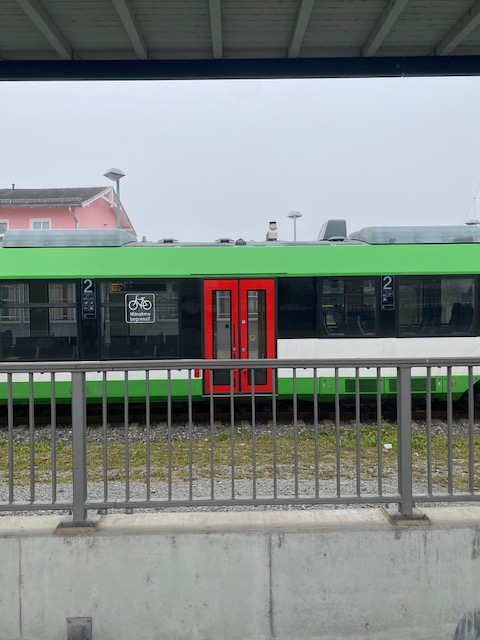
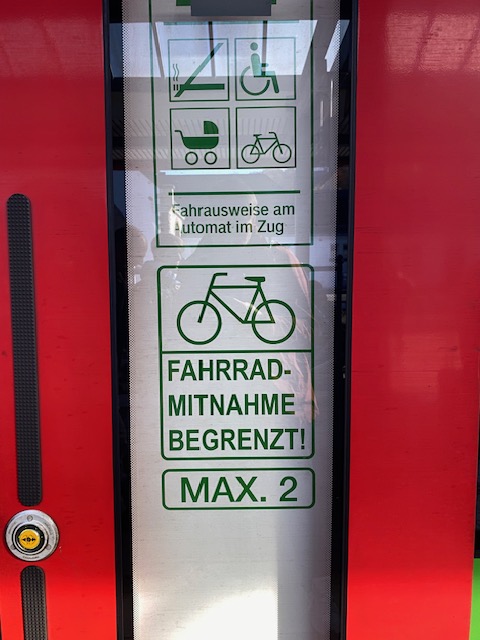
Only second-class travel is included, but upgrades to first class can often be purchased. Children under six travel for free, while older children require their own ticket. The ticket does not cover the transport of pets or bicycles if separate tickets are needed.
The Deutschlandticket is sold as a monthly subscription, valid for a calendar month and automatically renewed unless cancelled by the 10th of the month.
The ticket was introduced in response to rising energy prices following Russia invading Ukraine. To address these costs, the government had launched the heavily subsidised 9-Euro-Ticket in the summer of 2022, offering unlimited use of local public transport for three months.
Following its success, a permanent successor was proposed, but debates over pricing delayed its introduction. In November 2022, transport ministers agreed on a €49 monthly price.
By July 2023, three months after its launch, 11 million people had subscribed to the ticket, including five million new public transport users. Hamburg alone reported over one million subscriptions by September 2023.

Using regional trains
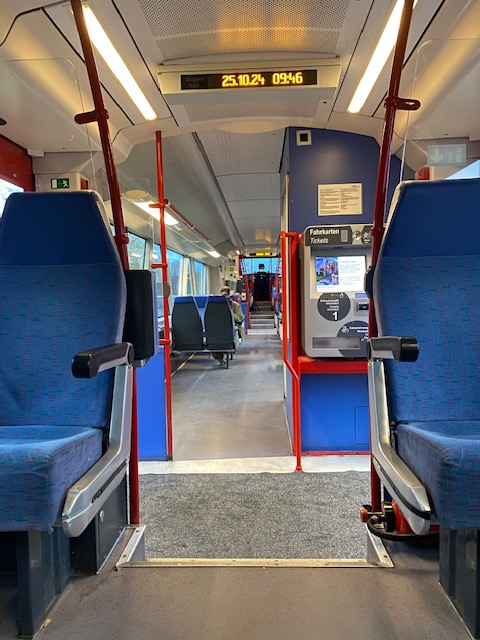
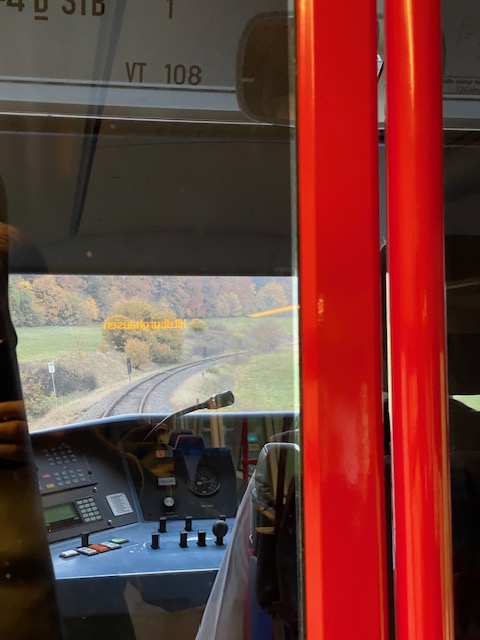
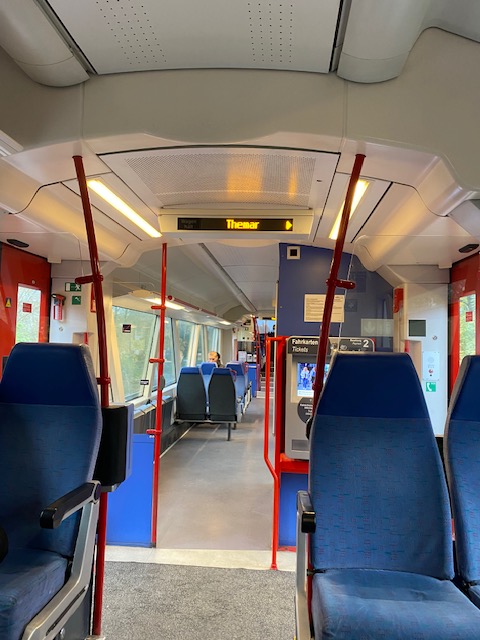
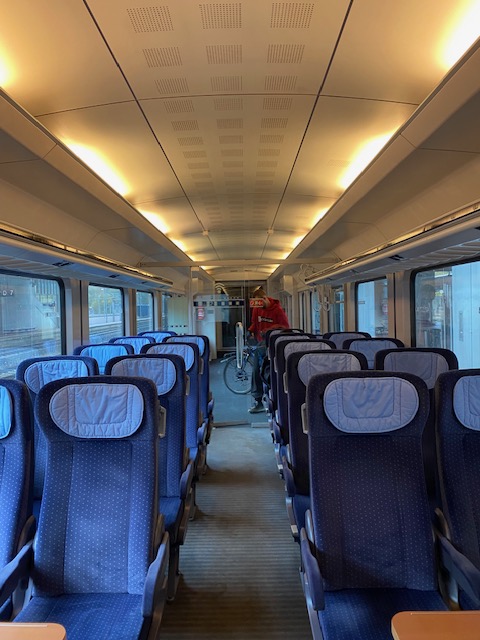
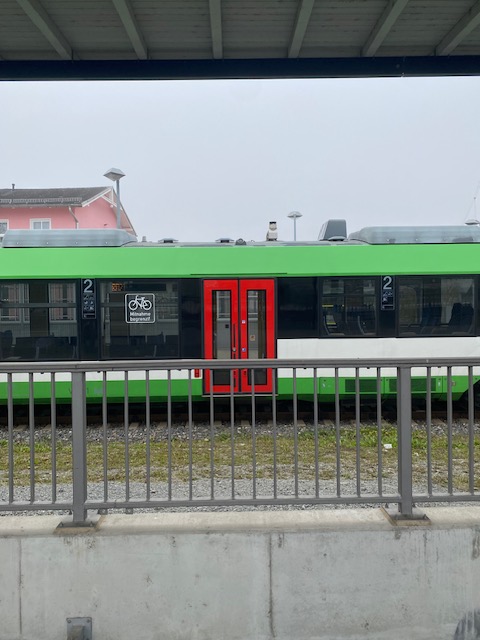
We took many regional trains as if we were regular commuters. The trains an sich are not spectacular. These are regular, no-thrills commuter trains.
But because they’re not high-speed and they rode on regular railways, the views are not blocked by sound-reducing walls and you get to enjoy the landscape.


So?
It really is a railway equivalent of a road trip. Plan your journey using Google Maps and / or the DB Navigator app and you’re all set. No reservation needed. We only booked one train: the Intercity from Kassel-Wilhelmshöhe to Cologne.
Be prepared to change trains and one individual train journey can be around two hours. There’s no catering on board, so think of some drinks and snacks.
And just enjoy the scenery.
If you’re looking for up to date and comprehensive information on trains in Germany, go to The Man in Seat 61.
A final note
Germany’s regional trains stop only briefly at a station. As a passengers, be ready at the door, or you will miss your stop. Germany is not Belgium. No faffing about.
Dessau – Weimar – Coburg – Kassel 2024
- REVIEW | European Sleeper night train.
- GERMANY | Bauhaus in Dessau.
- DESSAU | Technikmuseum Hugo Junkers Engineering Museum.
- REVIEW | Radisson Blu Fürst Leopold Hotel Dessau.
- SAXONY-ANHALT | A day in Dessau.
- GERMANY | Bauhaus in Weimar.
- GERMANY | Weimar Classicism, the Wittumspalais of Duchess Anna Amalia and the Weimar Haus Experience.
- GERMANY | The ‘Weimar’ in Weimar Republic.
- REVIEW | Hotel Elephant Weimar.
- THURINGIA | A day in Weimar.
- COBURG | Ehrenburg Palace.
- FRANCONIA | Veste Coburg.
- REVIEW | Ibis Styles Coburg.
- FRANCONIA | Coburg, cradle of crowns.
- KASSEL | Bad Wilhelmshöhe ft. Bergpark, Palace, Löwenburg and Hercules.
- REVIEW | FischerS hotel Kassel.
- KASSEL | GRIMMWELT Brothers Grimm museum.
- HESSE | Technik‐Museum Kassel.
- HESSE | Stadtmuseum Kassel city museum.
- HESSE | A day in Kassel.
 Trip By Trip
20 Comments Add yours