
Autumn 2024. Ten years after my first trip to Seoul in 2014, I am returning to the Republic of Korea, better known as South Korea. Not solo this time, but with Oriol, who has never been to Korea. On the itinerary: flying with Qatar Airways to Incheon via Doha, the capital Seoul, the historic city of Gyeongju, Busan, Jeju Island and a second stint in Seoul, where we are joined by Sehyeon. We’re spending two weeks in South Korea. The ROK is such a popular destination now. Will we experience overtourism?
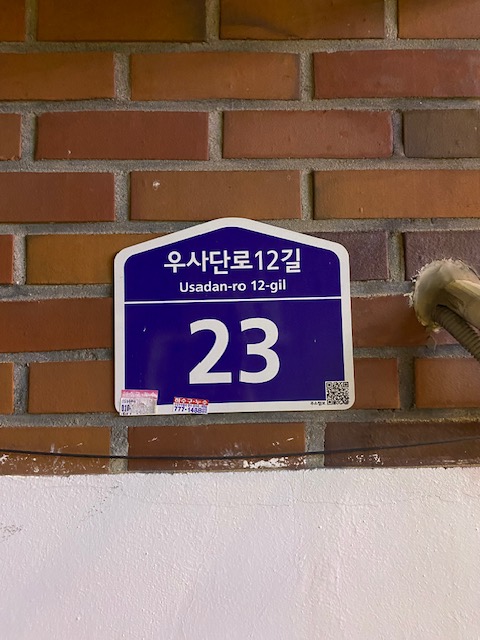
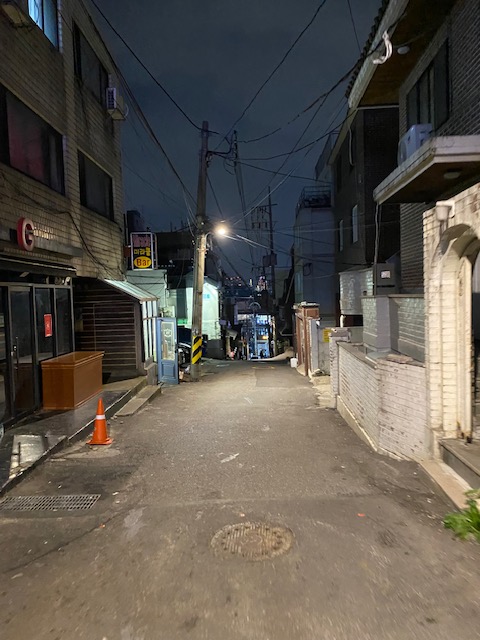
After that one drink at Eat Me on Homo Hill – remember the street name: Usadan-ro 12-gil (우사단로12길) – in Itaewon, we moved to Seoul’s other gay area: Jongno 3-ga, where we had a cocktail at Bar MoU (모우). I’ve also seen the spelling MOU in full capitals.
Jongno 3-ga
Jongno 3-ga is one of Seoul’s main hubs for gay nightlife, attracting both locals and travelers looking for an authentic slice of the city’s LGBTQIA+ culture. While Itaewon’s Homo Hill is often more visible on the international stage, Jongno 3-ga has a unique, distinctly Korean charm that makes it beloved among Seoulites.
Located between exits 3 and 6 of Jongno 3-ga Station and stretching toward Nakwon Arcade, this area has transformed over the years into a lively, inclusive neighbourhood. Formerly known for its older population and business crowd, the area is now open and welcoming to people of all ages and orientations.
Unlike Itaewon, which has a more international and ex-pat feel, Jongno 3-ga is embedded in local culture, with traditional Korean street food, lively pochas (outdoor drinking spots), and a community atmosphere that is both casual and social.
Jongno 3-ga is particularly popular with Seoul’s gay community for its relaxed, welcoming vibe, where bars line the narrow streets, creating an intimate setting.
‘Jongo 3-pocha’
The area is sometimes called ‘Jong 3-pocha’, after the small pocha stalls that sell affordable drinks and classic Korean street food. These small, tented stalls offer everything from soju and beer to snacks like tteokbokki (spicy rice cakes) and sundae (Korean blood sausage).
On weekends, the pocha street becomes packed with people enjoying the lively scene. While the pochas may seem modest in appearance, they are vibrant gathering spots with regular patrons.
Owners, often older Koreans, lend a quirky charm to the experience. Many patrons say that a round of soju with these ‘aunties and uncles’ quickly breaks the ice, turning even first-time visitors into regulars.
Small, cozy bars
The nightlife here leans toward small, cozy bars rather than dance clubs, making it perfect for bar-hopping.
Popular spots like Shortbus and Friends attract both locals and international visitors, who come for the casual ambiance and the social crowd. Without large clubs or dance venues, Jongno 3-ga nightlife focuses more on conversation, camaraderie, and the shared experience of food and drink.
Music in these bars typically features a mix of K-pop, Top 40, and local hits, setting the tone for a fun yet laid-back evening.
Compared to Homo Hill in Itaewon, the crowd in Jongno 3-ga is more Korean, with locals making up the majority of patrons. Ex-pats and visitors looking to explore Seoul’s gay culture beyond the well-trodden paths of Itaewon often end up here for a more low-key night out. While there’s no formal dress code, fashion is still taken seriously in this stylish city, so casual but trendy attire is the norm.
One thing to note is that public bathrooms in this area can be a bit rustic, so it’s wise to carry some tissues and bring cash for purchases, as many places don’t accept cards. While bars and pochas may have irregular hours, this unpredictability is part of Jongno 3-ga’s character, as is the nostalgic vibe that reminds some of old Seoul.
Jongno 3-ga is easy to reach by subway, with line 1, 3, and 5 all stopping at Jongno 3-ga Station. From exit 3, the lively bar area is just a short walk away, making it one of the most accessible nightlife areas in Seoul.
Bar MoU
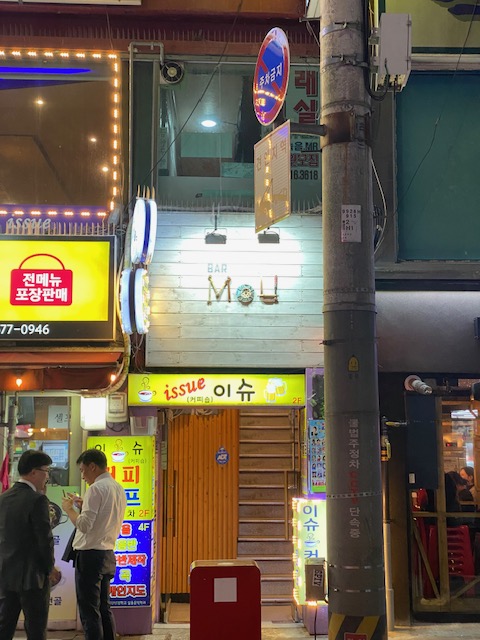
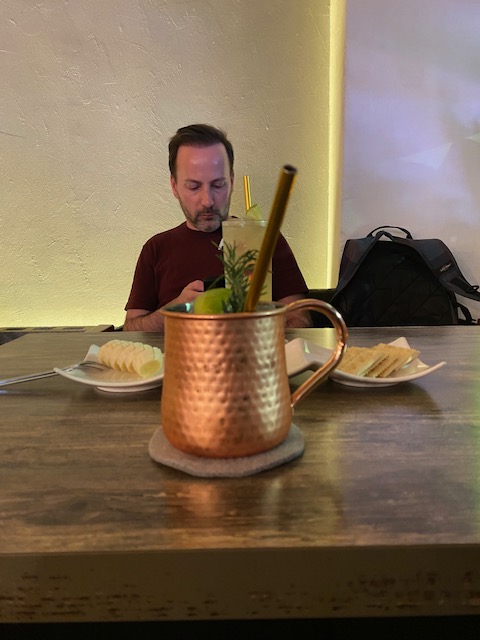
We went to Bar MoU. It looked nice and very near the subway station.
“Bar MoU is a popular hangout spot for the city’s young adults, attracting a crowd mostly in their late 20s to 30s”, Gay Travel Seoul writes. “Bar MoU is known for its friendly bartenders who are passionate about making the perfect drink for every customer. They pride themselves on their extensive knowledge of cocktails and their wide selection of beverages. With a variety of options, including classic drinks and unique creations, there is something for everyone at Bar MoU.”
“Whether you’re looking for a quiet night out with friends or an evening of socializing and partying, Bar MoU is the perfect destination. So if you’re looking for a great cocktail bar in Jongno, look no further than Bar MoU.”
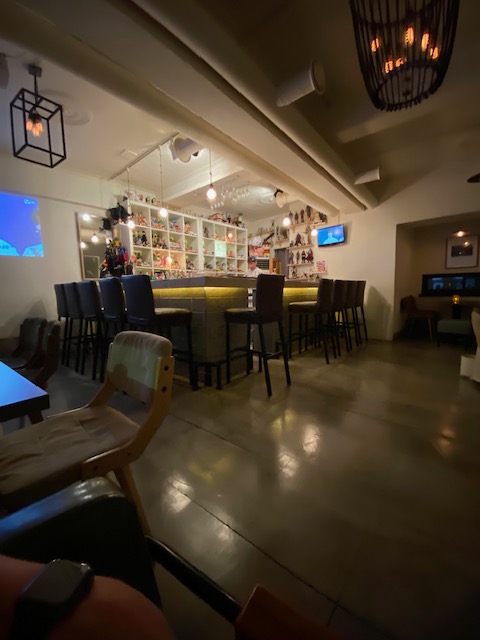
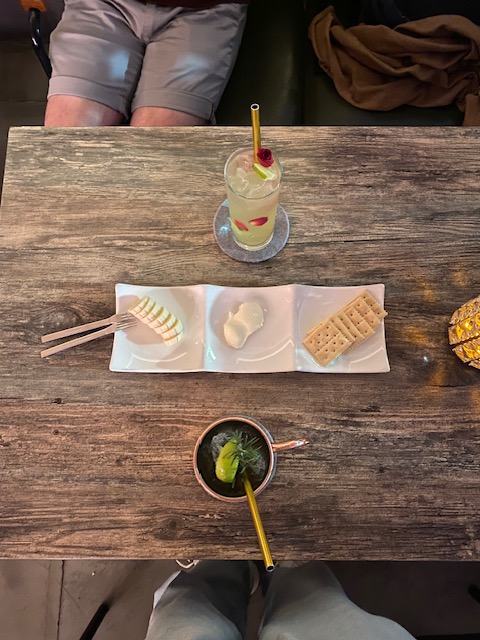
I liked the cozy decor of the place. Alcohol portions are not generous in Korean cocktails and prices are similar to prices in Belgium.
Again, it was very quiet. By now it was later, but still ‘only’ Thursday. We didn’t stay too long because we had a full day on Friday and we didn’t want to miss a metro back to Seoul Station.
The address of Bar MoU in English is 3rd Floor, 107-1, Supyo-ro, Jongno-gu, Seoul and in Korean 서울특별시종로구수표로 107-1 (낙원동 203) 3층.



Gay Seoul
Seoul’s LGBTQIA+ scene, while relatively understated compared to global cities like New York or Berlin, has evolved considerably over the years, adapting to the complexities of Korean culture and society.
While South Korea remains a socially conservative country in many respects, the capital city of Seoul has become increasingly tolerant and open to diverse lifestyles, giving rise to a growing gay nightlife scene, LGBTQIA+ activism, and a cultural presence that is gradually becoming more visible.
Seoul’s queer community thrives in districts like Itaewon’s Homo Hill and Jongno 3-ga, while areas such as Gangnam, Hongdae and Sillim also offer LGBTQIA+-friendly spots.
However, each district has its own unique vibe, shaped by the demographic and cultural characteristics of its patrons, as well as the specific ways that Seoul’s LGBTQIA+ culture expresses itself within a broader conservative framework.
Homo Hill
In Seoul, gay nightlife is most vibrant in the districts of Itaewon and Jongno 3-ga. Homo Hill in Itaewon is arguably the city’s most famous gay hotspot, known for its ex-pat-friendly atmosphere and lively bars and clubs. Many visitors, especially from abroad, are drawn to Homo Hill’s open and energetic environment, where establishments like Soho, Why Not, and Queen Bar create a distinctly international scene that feels inclusive and welcoming.
On any given night, people of all backgrounds and nationalities gather here to enjoy Seoul’s most visible LGBTQIA+ nightlife, and the weekend crowds can be particularly lively. Because Itaewon is a neighborhood frequented by foreigners, the vibe here is more liberal, and the bars often host events, drag shows, and themed nights.
Patrons are generally free to express themselves more openly on Homo Hill, which, despite being relatively small, has a reputation as the city’s gay party district. The dress code is relaxed, with people often sporting casual yet stylish attire, and the vibe is upbeat and carefree.
Music tends to be an eclectic mix of K-pop, Western pop hits, and house music, making it a vibrant area for dancing, socializing, and connecting with the LGBTQIA+ community.
In contrast, Jongno 3-ga offers a more low-key, traditionally Korean experience. Here, the crowd is predominantly local, and the ambiance is cozier and more understated compared to Itaewon.



Gay Gangnam
Gangnam, known for its affluent residents and upscale establishments, offers a more polished and refined nightlife experience. While Gangnam is not as explicitly gay-oriented as Itaewon or Jongno 3-ga, it does feature several LGBTQIA+-friendly bars and cafes that attract a crowd looking for a more discreet environment.
Given the area’s high-end reputation, bars and clubs in Gangnam tend to be more stylish and exclusive, catering to a clientele that values privacy and discretion. This is partly because many patrons in Gangnam are professionals or individuals from conservative backgrounds who might be less inclined to frequent openly gay spaces like Homo Hill.
While Gangnam’s LGBTQIA+ nightlife lacks the same visibility, there are a few popular spots that cater to the community, often blending into the larger nightlife scene without distinctively gay branding. LGBTQIA+ individuals in Gangnam generally dress in a more polished style, with an emphasis on fashion and sophistication, reflecting the neighborhood’s upscale image.
Young Hongdae
Hongdae, on the other hand, is known for its youthful and artistic vibe, making it a popular area for LGBTQIA+ individuals and allies alike. Although not as distinctly gay as Itaewon or Jongno 3-ga, Hongdae attracts a diverse crowd due to its liberal, bohemian atmosphere, and LGBTQIA+ individuals often feel welcome in its many bars, cafes, and clubs.
Hongdae’s nightlife is characterised by its eclectic mix of indie music venues, art cafes, and alternative bars, which draw a younger crowd, including students from nearby Hongik University. This open-minded atmosphere allows for more casual expressions of queer identity, with a mix of locals and foreigners creating a dynamic and inclusive environment.
While there are no explicitly gay bars in Hongdae, many establishments here are known to be LGBTQIA+-friendly, and the area’s casual dress code and creative vibe resonate with people looking for an alternative scene outside the more established gay districts.
Sillim in the south
Sillim, a district located further south, also has a small but growing LGBTQIA+ presence. This area, while less popular among international visitors, is frequented by young professionals and university students from surrounding neighborhoods.
LGBTQIA+ spaces in Sillim are mostly understated, consisting of a few friendly cafés and bars where people can gather discreetly. The vibe in Sillim is more relaxed and community-focused, with a crowd that values privacy and camaraderie. Because it is a less-touristed area, the LGBTQIA+ scene in Sillim feels more intimate and local, with individuals forming close-knit circles and preferring a low-profile atmosphere.
Dress is generally casual, and while there is less emphasis on fashion compared to Gangnam or Hongdae, there is an emphasis on comfort and community.
Open and discreet
Overall, gay life in Seoul is a complex blend of openness and discretion, influenced by both traditional values and modern, progressive attitudes. While Seoul has made strides in LGBTQIA+ visibility, with events like the Seoul Queer Culture Festival held annually, social attitudes towards LGBTQIA+ individuals can still be conservative.
Public displays of affection
Public displays of affection between same-sex couples are rare, and while younger generations are generally more accepting, older generations often hold more conservative views.
The presence of LGBTQIA+ individuals in media, especially through pop culture and K-pop, has helped create greater awareness, yet legal protections for LGBTQIA+ rights remain limited, and there is no official recognition of same-sex relationships.
In public spaces, LGBTQIA+ individuals often keep expressions of their identity more subdued, but within the safe confines of districts like Itaewon, Jongno 3-ga, and specific venues in Gangnam and Hongdae, there is room for greater expression and community support.

Down low?
Certain social etiquette points are important to consider for those new to Seoul’s LGBTQIA+ scene.
Discretion is highly valued, particularly in more conservative areas, and individuals are advised to respect the local culture by avoiding overt displays of affection outside of gay-friendly zones.
When visiting bars or pochas, it’s customary to engage in small talk and show respect to the owners and regulars, especially in places like Jongno 3-ga where a sense of community is strong.
Late starts
Most venues prefer cash payments, and it’s always wise to carry some extra tissues, as bathroom facilities can be basic. Visitors should also keep in mind that nightlife in Seoul starts late, with bars and clubs typically getting busy around midnight and staying open until the early morning hours. Many locals head out after 11 pm, and it’s not unusual for establishments to remain lively until 5 or 6 am.
Seoul’s LGBTQIA+ hotspots each have their own character, and exploring them offers a unique way to experience the city’s diverse nightlife.
Itaewon’s Homo Hill provides an open, lively atmosphere that appeals to those looking to dance and socialize, with a distinctly international vibe that feels celebratory and inclusive. Jongno 3-ga offers a more traditional, Korean-style experience, focused on food, drink, and conversation in an intimate setting.
Gangnam caters to a sophisticated crowd that values privacy, while Hongdae draws a creative, youthful demographic with its liberal and open-minded ambiance. Sillim, though less known, offers a community-centered, intimate setting ideal for locals and visitors seeking a quiet, casual experience.
In general, gay life in Seoul is a balancing act between visibility and discretion. For many LGBTQIA+ individuals, Seoul offers a sense of community and acceptance in select neighborhoods, even as societal norms still encourage a degree of reserve.
The city’s LGBTQIA+ scene is marked by its resilience and creativity, carving out spaces of expression in a country where legal and social acceptance is still evolving. For those visiting Seoul, understanding these nuances allows for a respectful and fulfilling experience within the city’s diverse and growing LGBTQIA+ landscape.
Our experience
Our experience of Gay Seoul is limited, very limited. The ‘late starts’ clashes with the ambition of sightseeing during the day because a) it’s tiring to stay up so late and b) it jeopardises the next day.
But that means we missed out.
We’ve also been on the apps. Oriol more than I as I was seeing Sehyeon anyway. But no success. Because they weren’t real matches, he was ghosted and there wasn’t really much time.
By the way
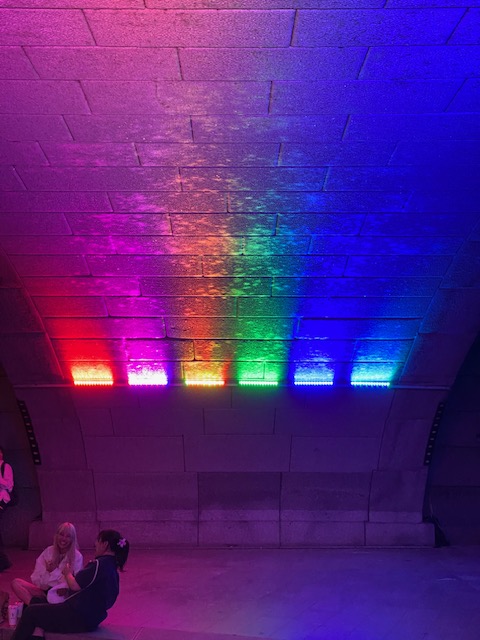
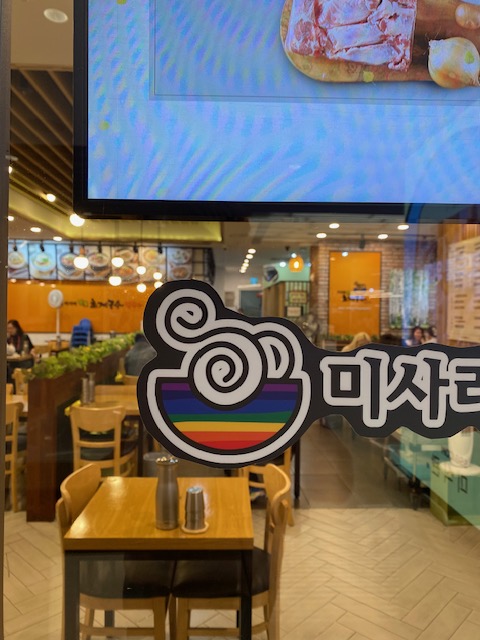
One last thing: rainbow colours are usually not a sign the place is gay. So you know.
Gay adventures of the homosexual kind
- GAY ITAEWON | Homo Hill = Usadan-ro 12-gil (우사단로12길) in Seoul, South Korea.
- The best cities for gay cruising? London, Berlin, Paris, Madrid and Barcelona.
- QUEER KOREA | Beomil-ro, Busan’s gay street.
- GRAN CANARIA | 11 takeaways to enjoy Winter Pride Maspalomas to the fullest.
- The best cities to visit as a gay solo traveller.
- Gay Hong Kong.
- Heading for the sun in gay destination Torremolinos.
- QUEER ANDORRA | Entre Nous, the only gay bar in the village.
- Queer Iceland & Rainbow(baiting) Reykjavík.
- Manchester’s gaybourhood around Canal Street.
- Pride in Valladolid, Yucatán and queer encounters in Mexico.
- FLORIDA SOLO ROAD TRIP | Eye-opening encounters in Miami.
- FLORIDA SOLO ROAD TRIP | Fort Lauderdale.
- Drag queen bingo at Pride of our Footscray Community Bar.
- LGBTQ+ get-together on Majestic Princess.
- Gays failing at being gay? ‘LGBTQ Mix & Mingle’ on Royal Caribbean’s Serenade of the Seas lacked enthusiasm.
- Gay Tel Aviv: pinkwashing or genuine?.
- Gay Taipei with misterb&b.
South Korea 2024
- QUESTION | Should you be scared of travelling to South Korea?.
- REVIEW | Qatar Airways – economy – Boeing 787-8 Dreamliner – Brussels to Doha.
- QATAR | Hamad International Airport (DOH) in Doha.
- REVIEW | Qatar Airways – economy – Airbus A350 – Doha to Seoul / Incheon.
- SOUTH KOREA | Landing at Incheon, retrieving the Wowpass and taking the AREX to Seoul Station.
- REVIEW | Fraser Place Namdaemun Seoul near City Hall.
- SEOUL | Deoksugung Palace by day.
- SEOUL | Admiral Yi Sun-sin – King Sejong the Great – Gyeongbokgung Palace – National Folk Museum SEOUL | Admiral Yi Sun-sin – King Sejong the Great – Gyeongbokgung Palace – National Folk Museum.
- SEOUL | Bukchon Hanok Village – Insadong Culture Street – Jogyesa Temple – Gwangjang Market – Cheonggyecheon Stream.
- SEOUL 2024 | Dongdaemun Design Plaza.
- SHOPPING IN SEOUL | Myeongdong – Lotte Young Plaza – Avenuel – Lotte Department Store.
- SEOUL | Namsan Mountain Park and N Seoul Tower.
- SOUTH KOREA | Seoul Station.
- REVIEW | Korail KTX Seoul – Gyeongju – Busan.
- GYEONGJU | Daereungwong – Cheonmachong – Cheomseongdae Observatory – Banwolseong Fortress – Anapji Pond – Woljeonggyo Bridge – Gyo-dong.
- REVIEW | Hotel Palace in Gyeongju.
- GYEONGJU | Bulguksa Temple and Seokguram Grotto.
- GYEONGJU | Woljeonggyo Bridge – Gyeongju National Museum – Eupseong Fortress – Shopping.
- REVIEW | Korail KTX Gyeongju to Busan 1st class.
- BUSAN | Gamcheon Culture Village.
- BUSAN | Jagalchi Fish Market.
- REVIEW | Commodore Hotel Busan.
- KOREA | Haedong Yonggung Temple in Busan.
- BUSAN | Haedong Blue Line Park, Sky Capsules, Beach Train and Haeundae Green Railway.
- BUSAN | Shinsegae Centum City Department Store, Gwangalli Beach, Busan Tower.
- QUEER KOREA | Beomil-ro, Busan’s gay street.
- SOUTH KOREA | Jin Air from Busan to Jeju.
- SOUTH KOREA | Jeju City during Tamna Culture Festival.
- REVIEW | Astar Hotel in Jeju City.
- JEJU ISLAND | Hamdeok Beach – Seongsan Ilchilbong volcano – Ilchulland with lava tube – Wonang Waterfalls – Cheonjiyeon Waterfalls.
- JEJU ISLAND | Sojeonbang & Jeonbang Waterfalls – Eongtto Waterfalls – Gaetkkak Jusangjeollidae Cliffs – Cheonjeyeon Waterfall & Seonim Bridge.
- JEJU ISLAND | Museum of Sex and Health in Seogwipo.
- JEJU ISLAND | Eongal Coastal Trail and Iho Tewoo Horse Lighthouses.
- SOUTH KOREA | Jeju Island.
- HOW TO | Hotel saunas in South Korea.
- SOUTH KOREA | Flying Jin Air from Jeju City to Seoul Gimpo.
- SEOUL | Changdeokgung – Secret Garden – Changgyeonggung.
- SEOUL | Seodaemun Hongje Waterfall – Yeouido Hangang Park – Ttukseom Hangang Park – 2024 Seoul Hangang River Light Drone Light Show – Hwayang-dong.
- SEOUL | Gangnam – Seonjeongneung Royal Tombs – Starfield COEX Mall & Library – Banpo Hangang Park – Some Sevit.
- GAY ITAEWON | Homo Hill = Usadan-ro 12-gil (우사단로12길) in Seoul, South Korea.
 Trip By Trip
6 Comments Add yours