
July 2024. Steve and I are cruising on the Norwegian Getaway, a Breakaway class ship by Norwegian Cruise Line or NCL. Interestingly, our stay on board happened shortly after the Getaway paid a visit to the dry dock for some refurbishments. The route? Piraeus, which is the port of Athens in Greece; followed by Mykonos; two days in Istanbul in Turkey or Türkiye; then Kusadasi or Kuşadası for Ephesus; Rhodes; Santorini (Thira or Thera) and back to Piraeus. Oddly enough, the itinerary offered no sea days.
Ephesus is a household name if you’re classically educated. So if you studied Latin and Greek. For Steve and for myself, Ephesus was a highlight we awaited eagerly. For me, Ephesus is linked to the Temple of Artemis, one of the Seven Wonders of Antiquity.
Prelude: booking a shore excursion
When we booked the cruise on 21 June 2023, we looked for shore excursions to Ephesus. Ephesus is thé shore excursion to do from Kusadasi.
But Norwegian did not offer any. Very odd. We decided to book externally. We don’t like doing that because yes, it might be cheaper, it might be better, but with an official shore excursion organised by the cruise company, you know timings will be respected.
Anyway. An external booking. Then NCL changed its itinerary and simultaneously it now offered trips to Ephesus. We cancelled our original one and booked an excursion via NCL. That excursion was slightly cheaper.

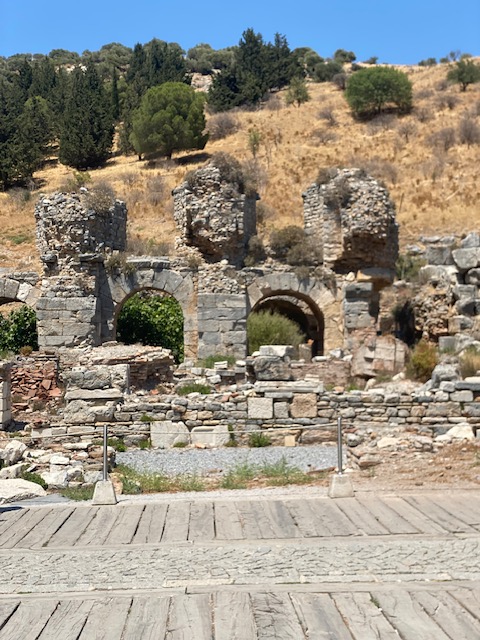


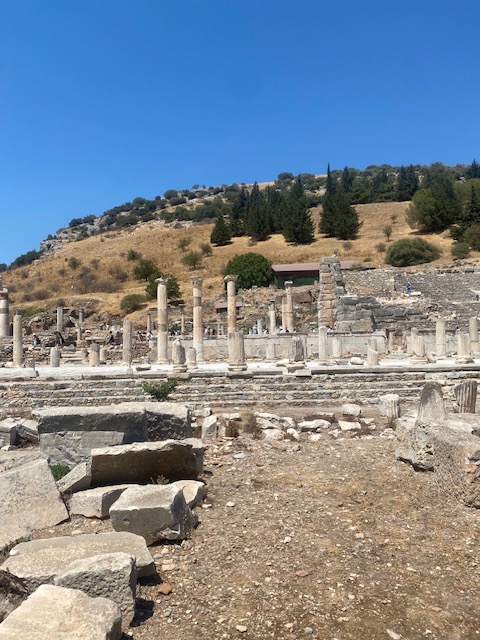
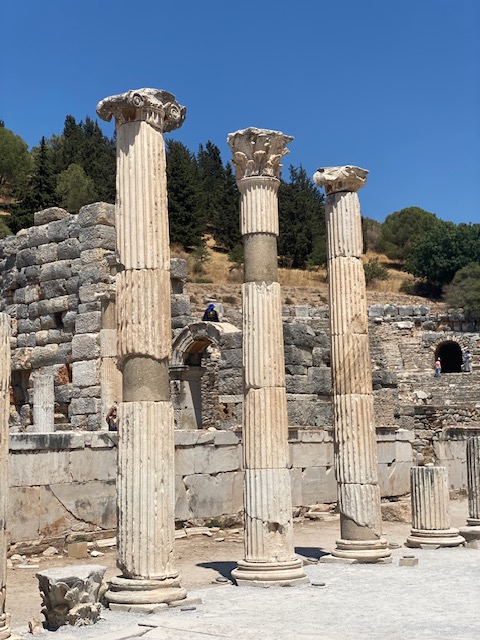
Ephesus
Ephesus, Έφεσος in Greek and Efes in Turkish, stands as a testament to the ebb and flow of civilizations. Nestled near the modern-day town of Selçuk in Turkey, its ruins are a haunting reminder of a once-thriving metropolis.
Founded by Ionian Greeks in the 10th century BC, Ephesus was strategically located on the Aegean Coast, a position that would prove pivotal to its prosperity. The city grew in prominence, becoming a significant commercial hub and a center of cultural and religious activity. Its status was further elevated when it joined the Ionian League, an alliance of twelve Greek city-states.
The Roman era marked the zenith of Ephesus’ power and influence. Incorporated into the Roman Republic in the 2nd century BC, the city flourished under imperial patronage. Its strategic location on major trade routes, coupled with its access to the Aegean Sea, made it a wealthy and cosmopolitan metropolis. Ephesus became renowned for its luxurious lifestyle, public buildings, and artistic achievements.
The city was not merely a commercial center but also a place of religious significance. As one of the Seven Churches of Asia, as described in the New Testament’s Book of Revelation, Ephesus played a crucial role in the early history of Christianity.
The apostle Paul is believed to have spent a considerable amount of time there, and the city’s Great Theater was the scene of the famous riot of the silversmiths, recounted in the Acts of the Apostles.
The decline of the Roman Empire brought challenges to Ephesus. Earthquakes, silting of the harbor, and the rise of other trade centers contributed to its gradual decline. By the 15th century, the city had been abandoned.

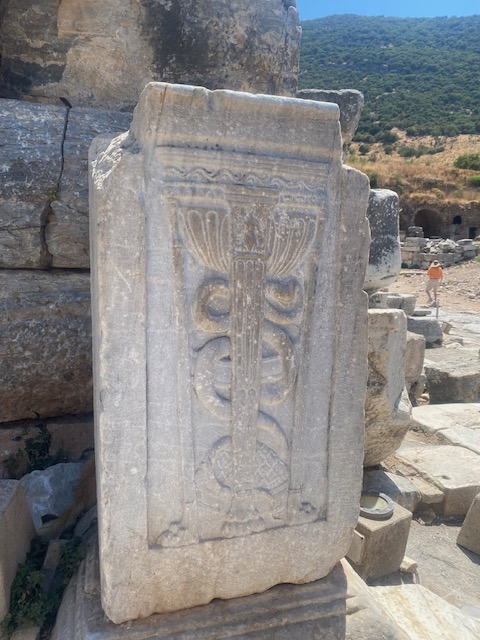

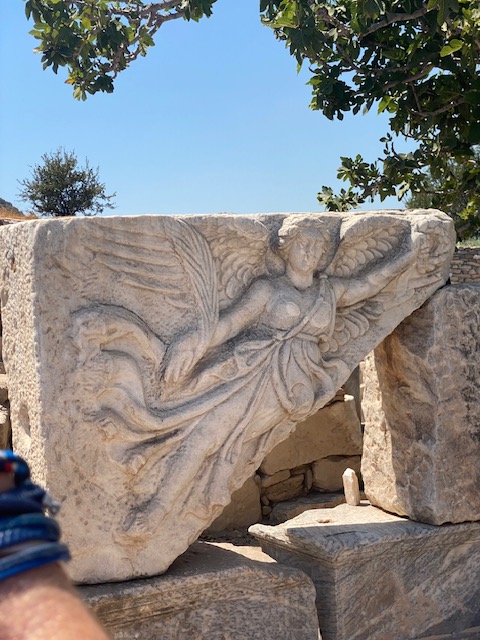

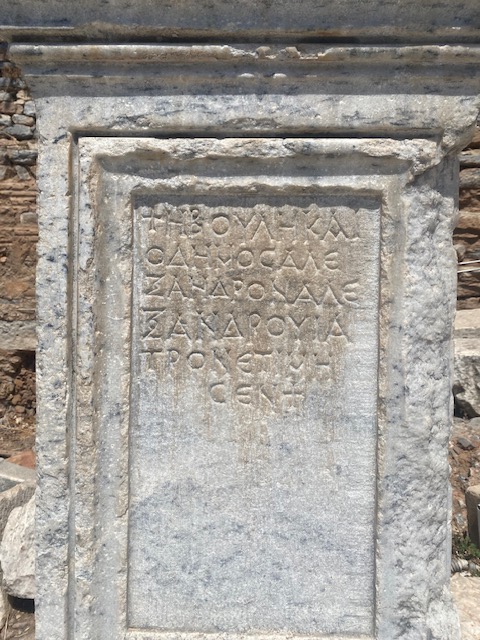


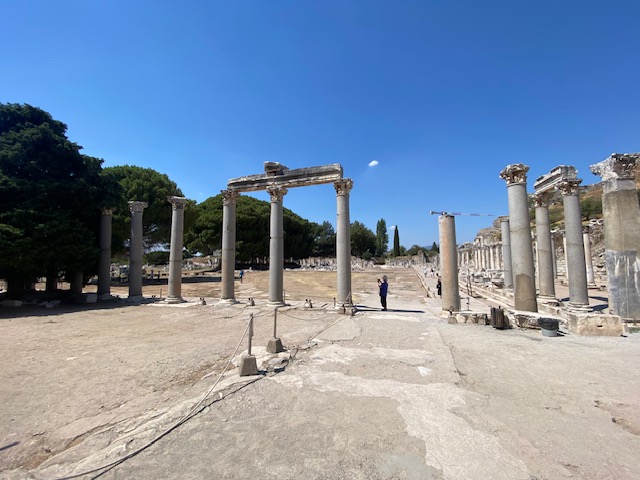
Ephesus today
Today, the ruins of Ephesus offer a captivating glimpse into the past. The Library of Celsus, a magnificent example of Roman architecture, is a must-see. This imposing structure, with its facade adorned with statues of wisdom, knowledge, and virtue, once housed a vast collection of scrolls. The Great Theater, capable of accommodating thousands of spectators, is another iconic landmark. The Temple of Hadrian, dedicated to the Roman emperor, is also worth exploring.


Beyond the monumental structures, Ephesus offers a more intimate encounter with daily life in antiquity. The remains of private houses, shops, and public baths provide insights into the city’s social fabric. The well-preserved street network, complete with sidewalks and drainage systems, showcases the Romans’ advanced urban planning.

Temple of Artemis
While the Temple of Artemis, one of the Seven Wonders of the Ancient World, was located in Ephesus, it was destroyed by fire in the 4th century BC and never fully rebuilt. However, the site where the temple once stood is still marked, and visitors can appreciate the scale of this colossal structure through the remaining foundations.
Seven Wonders
But we didn’t. Sometimes, even when “nothing’s there’, I want to see something. The guide pointed out where the temple with its sole remaining column stood, I felt left undone.
I have seen as a child the Pyramids of Giza in Egypt, next up was Rhodes and ints Colossus.
In 1998, when Steve was still my teacher of Greek, we visited Olympia (Ὀλυμπία) where the Statue of Zeus stood.
In 2001, I was in Bodrum, which was Halicarnassus (Ἁλῐκαρνᾱσσός) where there was another Wonder: the Mausoleum at Halicarnassus or Tomb of Mausolus (Μαυσωλεῖον τῆς Ἁλικαρνασσοῦ).
So that’s five of the seven locations. The Alexandria Lighthouse and the Hanging Hardens of Babylon are the other two.
Now
Ephesus is more than just a collection of ruins. It is a living testament to the enduring power of human creativity and ingenuity. A visit to this ancient city is a journey through time, offering a unique opportunity to connect with the past and understand the foundations of Western civilization.
So?
We were glad to have seen Ephesus, but missing the Temple of Artemis is, well, a missed opportunity.
The site was terribly hot, and it’s crowded. But I wouldn’t have missed it.
Kusadasi
We barely saw Kusadasi. Only the port and its vicinity.
Kuşadası has blossomed into a popular tourist destination. Its name, translating to ‘Bird Island‘ is a reference to the nearby Pigeon Island, a picturesque islet crowned by a Byzantine castle.
Historically, the area around Kusadasi was part of the ancient city of Ephesus. As Ephesus declined, the region’s importance diminished, only to re-emerge in the Ottoman period. Kusadasi itself gained prominence as a port and trading center, benefiting from its strategic location.
Today, Kusadasi is renowned for its stunning beaches, offering a diverse coastline catering to various preferences. From bustling public beaches to secluded coves, visitors can bask in the Aegean sun and indulge in water sports. The town’s lively atmosphere, with its bustling waterfront promenade, offers a plethora of shops, restaurants, and bars, catering to a wide range of tastes.
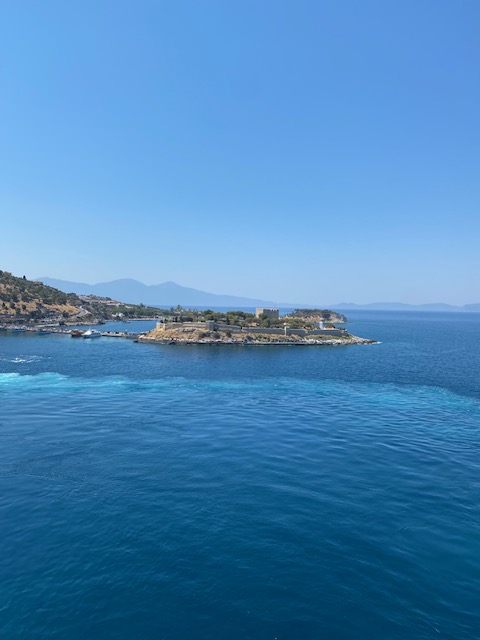

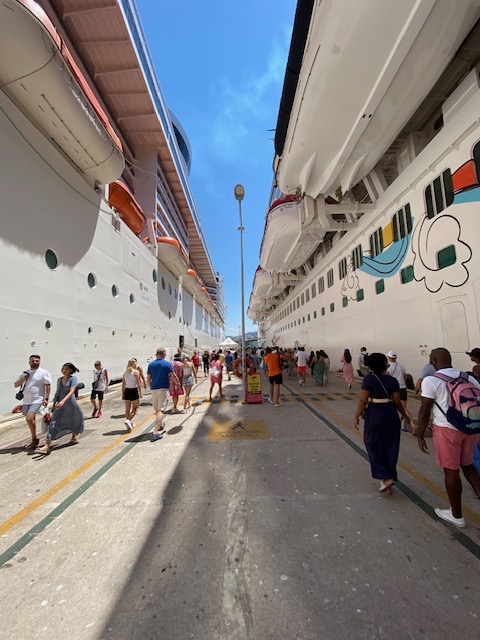


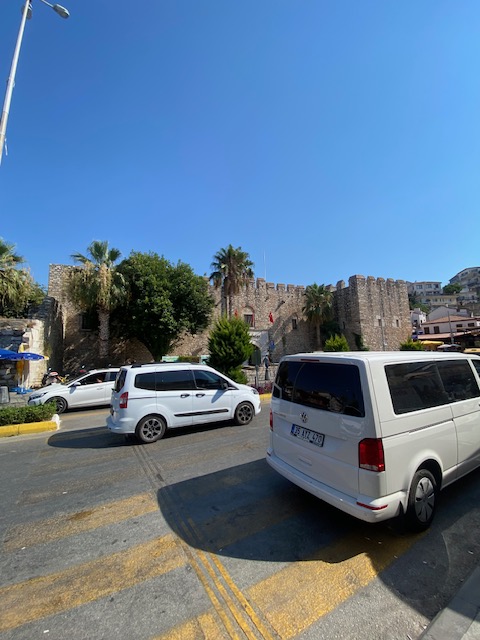
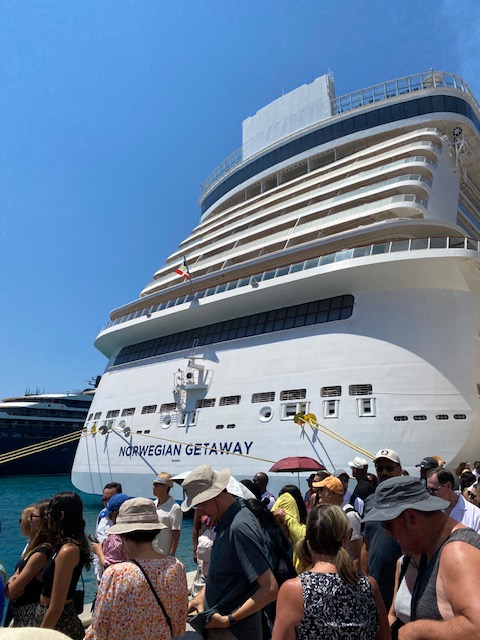

Beyond its beaches and vibrant nightlife, Kusadasi serves as a gateway to the rich historical and cultural heritage of the region.
The Dilek Peninsula-Büyük Menderes Delta National Park, located nearby, offers a respite from the bustling town. This protected area boasts pristine beaches, crystal-clear waters, and a diverse ecosystem. Hiking, birdwatching, and exploring the park’s natural beauty are popular activities.
2024 Athens – Mykonos – Istanbul – Kusadasi – Rhodes – Santorini – Athens Cruise on the Norwegian Getaway
- Flying Airbus A320neo with Aegean Airlines from Brussels to Athens return.
- REVIEW | Athenarum Portus Life & Style Hotel in Piraeus.
- GREECE | A modest exploration of Piraeus.
- NORWEGIAN CRUISE LINE | Before you sail, online check-in and Embarkation Day.
- GREECE | Mykonos ft Archaeological Museum, the Windmills and massive crowds.
- NORWEGIAN GETAWAY | Balcony Stateroom with included access to the Thermal Spa.
- ISTANBUL | Beylerbeyi Palace – Blue Mosque – Grand Bazaar.
- NORWEGIAN GETAWAY | Activities – sports – entertainment – common areas.
- ISTANBUL | Galataport – Sirkeci Railway Station – Hagia Sophia – Topkapi Park.
- Bars & Lounges on Norwegian Getaway.
 Trip By Trip
You really didn’t miss anything by not seeing Artemis Temple, but I understand your point. Maggie
LikeLiked by 1 person
Did you see the Temple?
LikeLiked by 1 person
Yes, we posted a few pictures in our Ephesus post. It’s a big yard with only the remains of a column and a few bricks scattered on the ground. It’s really difficult to imagine that it was so grand.
LikeLiked by 1 person
Okay 😉
LikeLike