
Switzerland will host the 2025 Eurovision Song Contest. But which city in the Helvetic Confederation will welcome the thousands of artists, media people and fans? Geneva, Sankt Gallen, Basel and Fribourg have already expressed their interest. Other obvious options are Zurich and Bern. And why not Lausanne? Swiss broadcaster Schweizer Radio und Fernsehen (SRF) also sees Biel/Bienne and Lucerne as viable options. Combined, Danny and I have visited almost all of them. So let us introduce them.
Okay, so Lucerne or Luzern has ruled itself out it seems to host the ESC. It lacks the necessary infrastructure. Sop have Lausanne and Lugano. Having an L as first letter doesn’t help your case, it seems. But still, let’s introduce Lucerne.
Lucerne
Lucerne is a very picturesque city in central Switzerland, known for its stunning natural beauty, well-preserved medieval architecture, and rich cultural scene.
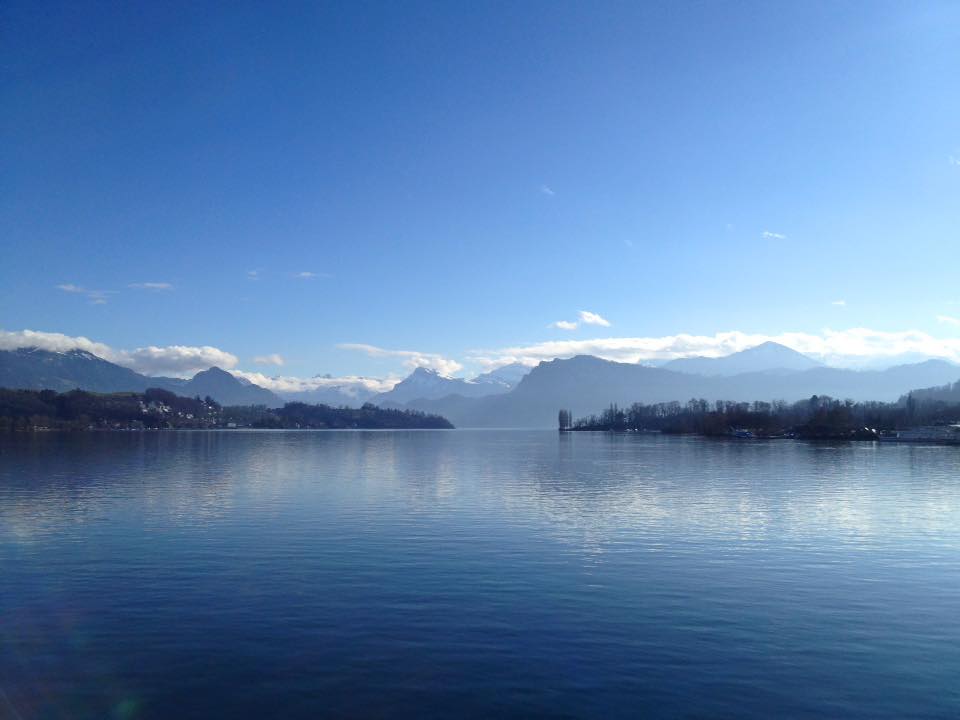
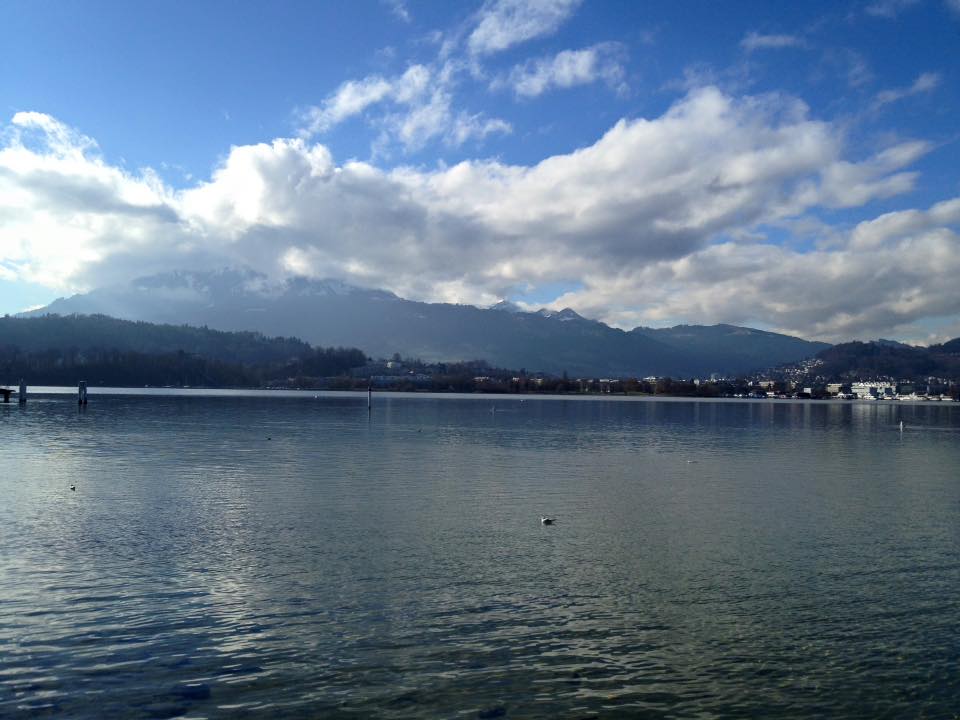
Nestled on the shores of Lake Lucerne or Vierwaldstättersee and surrounded by snow-capped mountains, Lucerne offers a unique blend of historical charm and modern amenities.
Lucerne’s history dates back to Roman times, but it truly began to flourish in the medieval period.
The city developed around the monastery of St. Leodegar, established in the 8th century. Lucerne gained prominence in the 14th century as a member of the Swiss Confederation, playing a significant role in Swiss history. Today, it is a vibrant city that blends its historical heritage with a dynamic cultural life, attracting visitors from around the world.
Chapel Bridge or Kapellbrücke
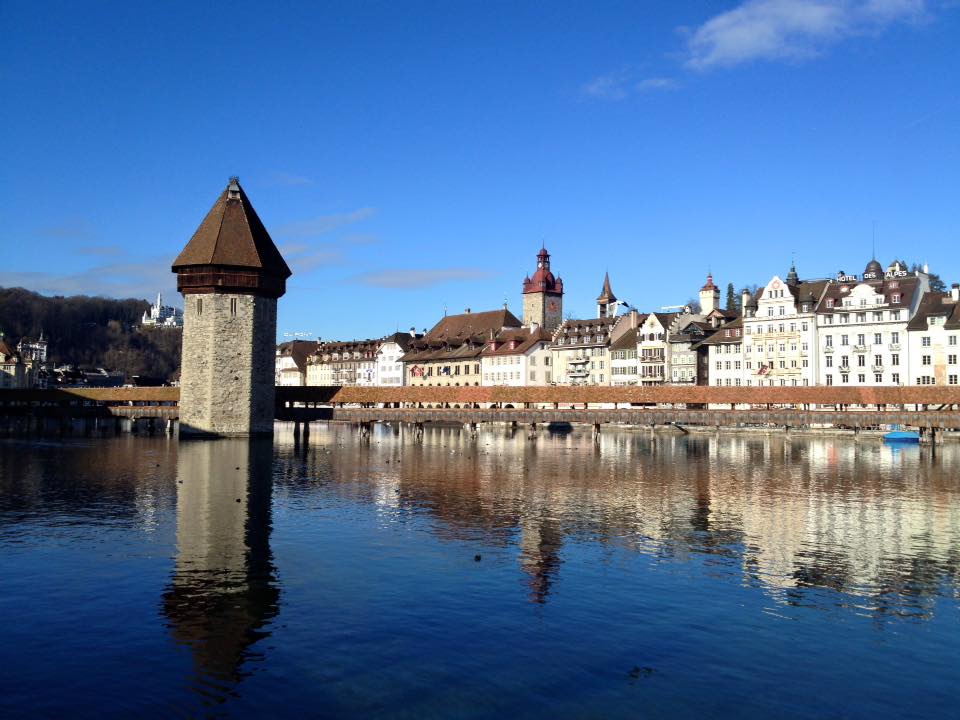
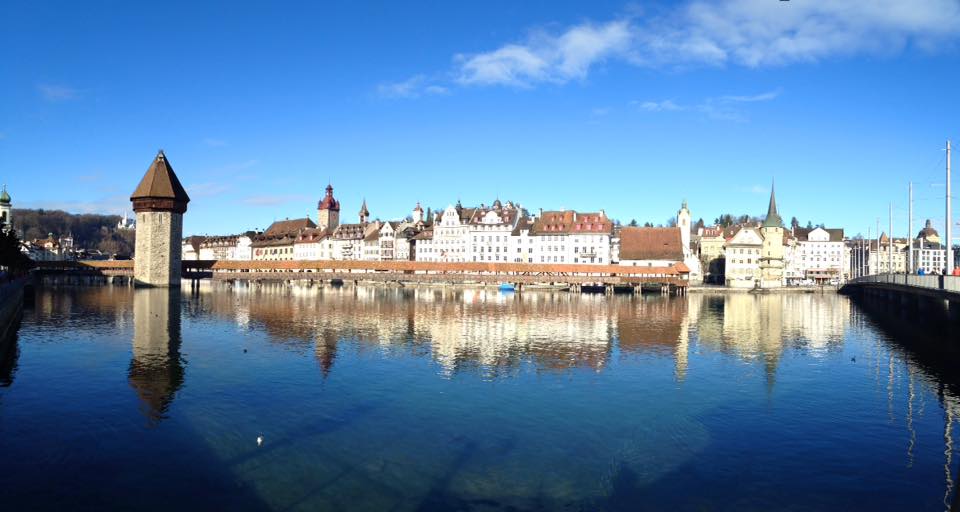
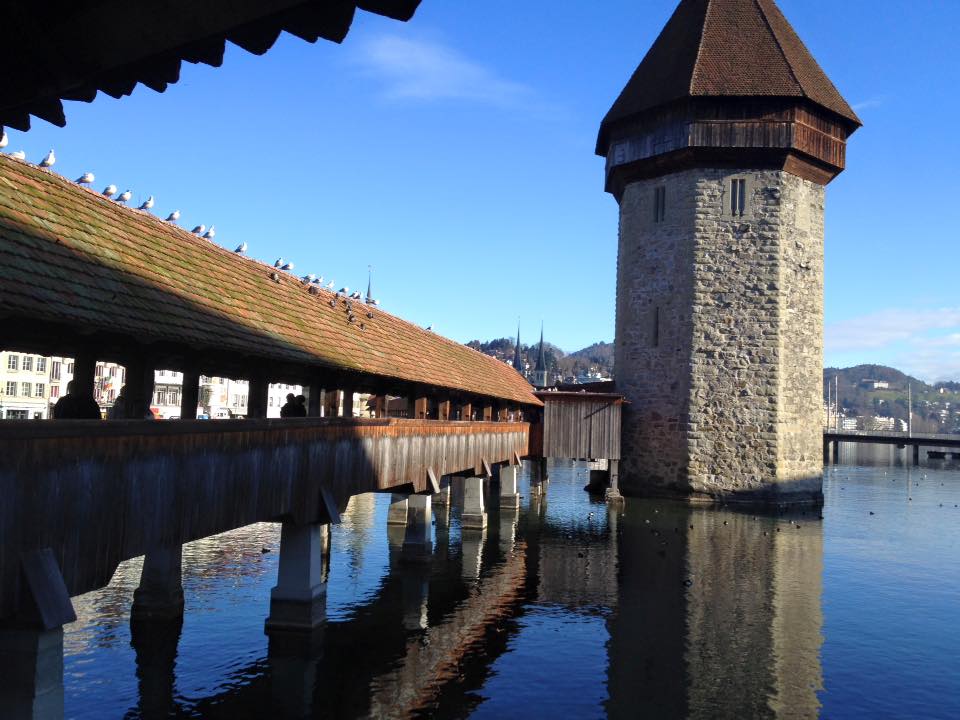
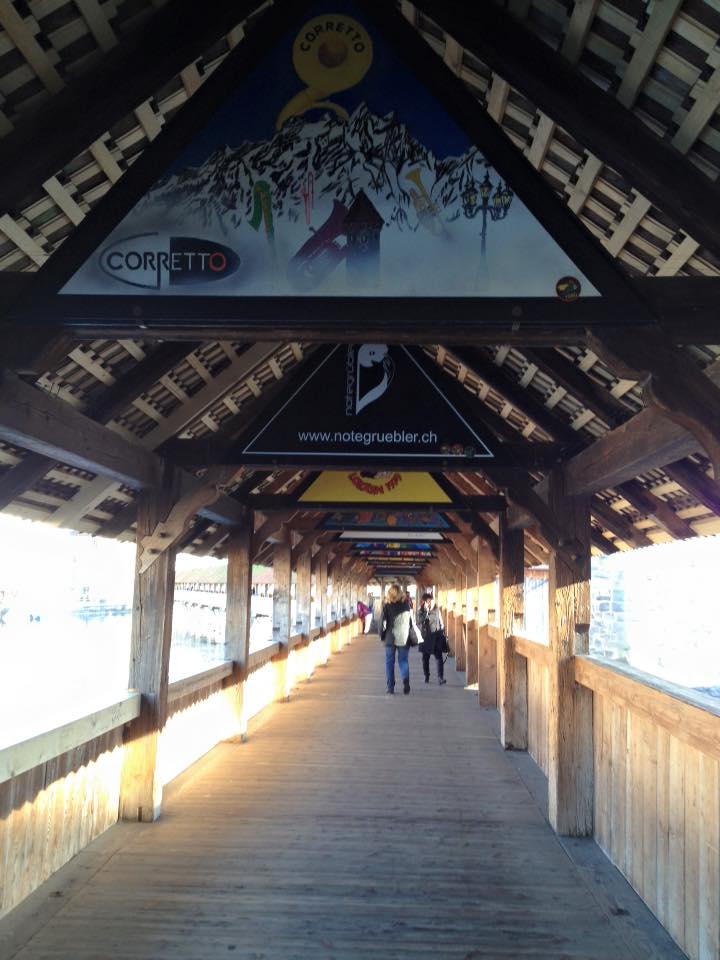
The Chapel Bridge or Kapellbrücke is Lucerne’s most iconic landmark. Built in the 14th century, this covered wooden bridge features a series of 17th-century paintings depicting the city’s history.
The bridge spans the Reuss river and connects the Old Town with the new part of the city. Despite being partially destroyed by a fire in 1993, it has been meticulously restored and remains a must-see attraction.
Water Tower or Wasserturm
Adjacent to the Chapel Bridge is the octagonal Water Tower, which dates back to the 13th century. Originally part of the city’s fortifications, the tower has served various purposes over the centuries, including as a prison and treasury.
Today, it stands as a symbol of Lucerne’s medieval heritage.
Old Town or Altstadt
Lucerne’s Old Town or Altstadt is a delightful area filled with narrow cobblestone streets, beautifully preserved medieval buildings, and charming squares.
Key highlights include:
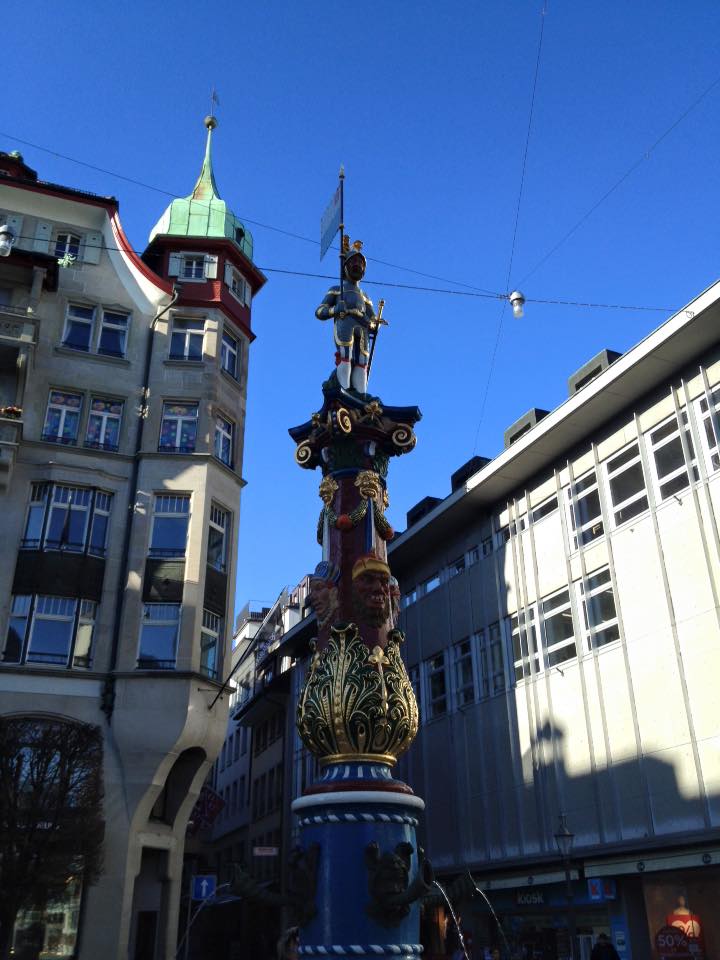
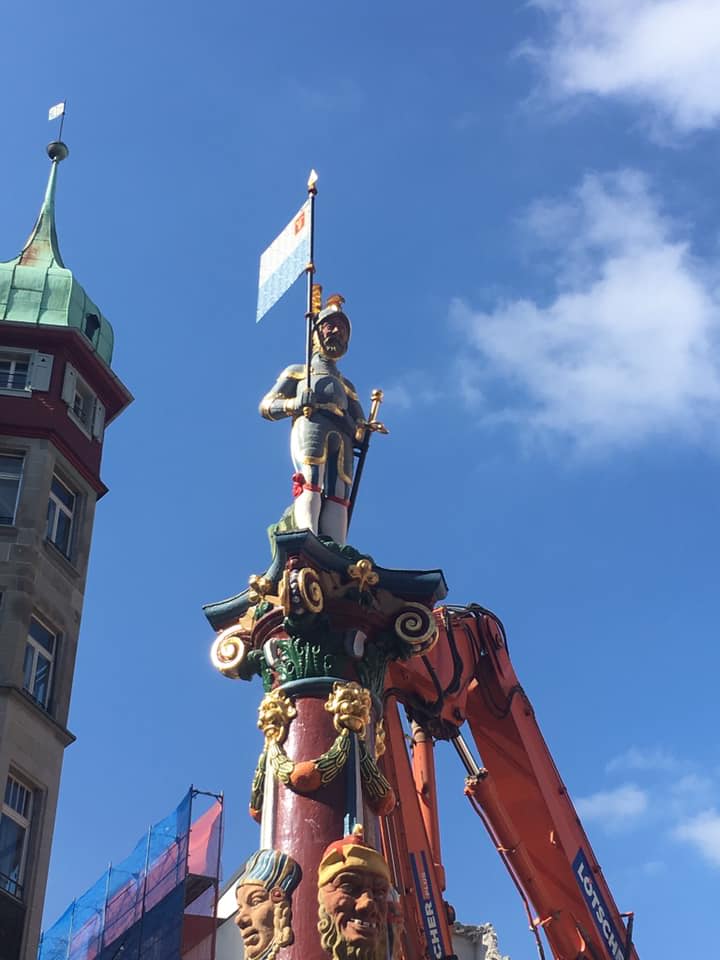
- Weinmarkt: A picturesque square known for its historical fountain and surrounding colorful buildings.
- Hirschenplatz: Another charming square, lined with beautifully painted facades.
- Musegg Wall or Museggmauer: Part of the city’s original fortifications, this well-preserved wall includes nine towers, four of which are open to the public. Climbing these towers offers stunning views of Lucerne and its surroundings.
The Lion Monument or Löwendenkmal
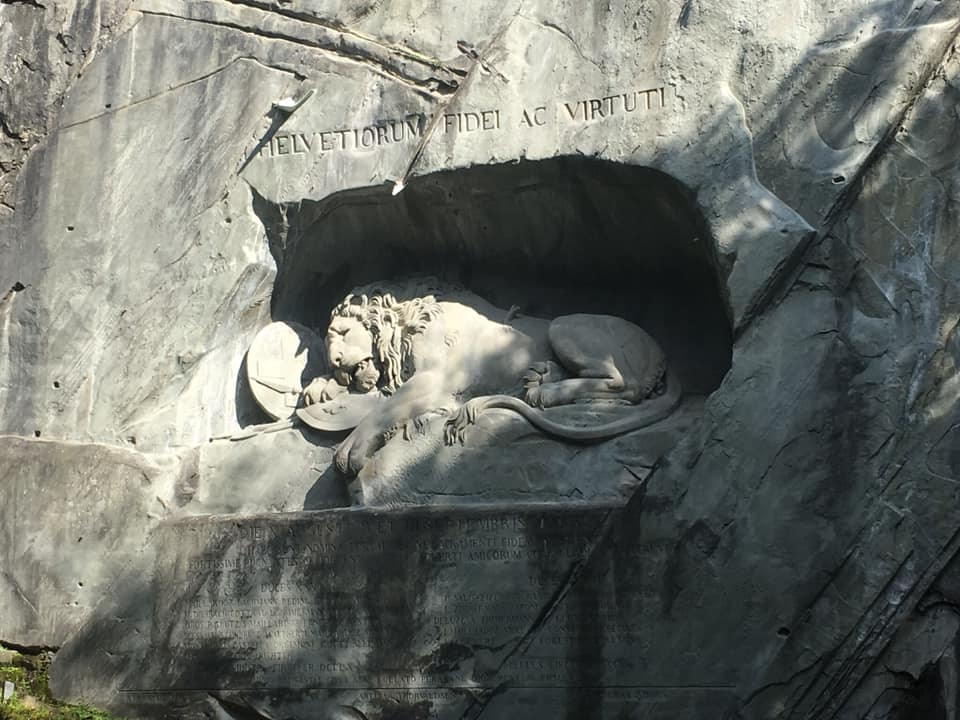
The Lion Monument or Löwendenkmal is one of Lucerne’s most poignant landmarks.
Carved into a sandstone rock face, the sculpture commemorates the Swiss Guards who were killed during the French Revolution in 1792.
Mark Twain famously described the monument as “the most mournful and moving piece of stone in the world”. Perhaps that’s a gross exaggeration.
The Swiss Transport Museum or Verkehrshaus der Schweiz
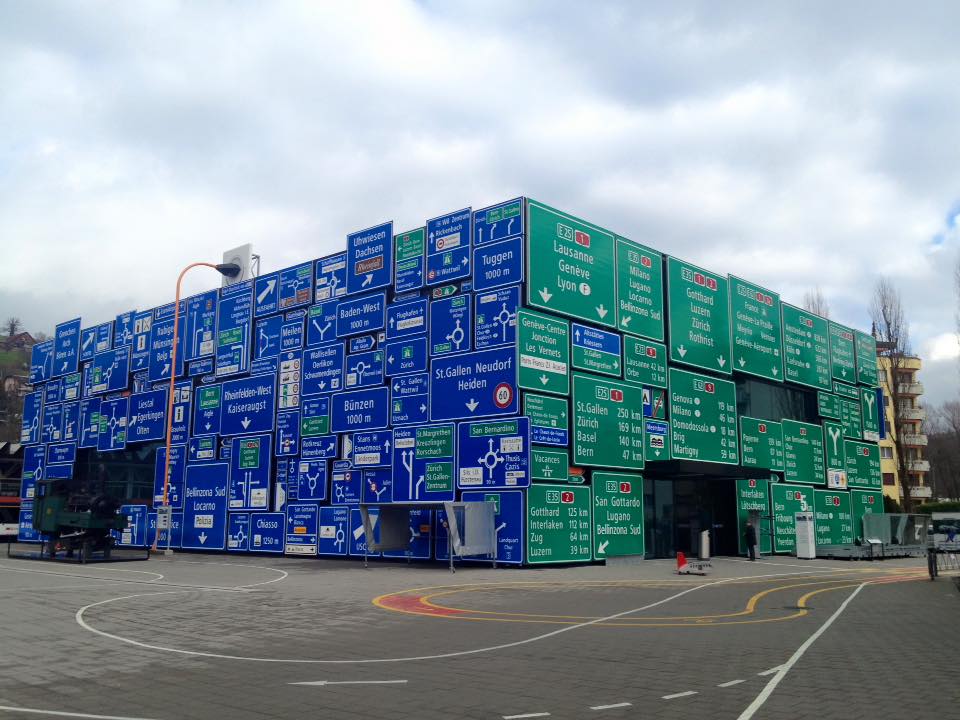
The Swiss Transport Museum or Verkehrshaus der Schweiz showcases Switzerland’s history of transportation and communication.
The extensive exhibits include vintage trains, airplanes, automobiles, and space exploration artifacts. Interactive displays and simulators make it a fascinating visit for all ages.
It is top-notch.
Jesuit Church or Jesuitenkirche
Built in the Baroque style in the 17th century, the Jesuit Church or Jesuitenkirche is one of Lucerne’s most beautiful buildings. Its ornate interior and stunning ceiling frescoes make it a must-visit for architecture and history enthusiasts.
Richard Wagner Museum
Located in the former residence of the famous composer Richard Wagner, this museum offers insights into his life and work. The villa, situated on the shores of Lake Lucerne, provides a picturesque setting for exploring Wagner’s legacy.
Boat cruises on Lake Lucerne
One of the best ways to experience the beauty of Lucerne is by taking a boat cruise on Lake Lucerne. Various options are available, from short sightseeing trips to full-day excursions.
The cruises offer breathtaking views of the surrounding mountains and charming lakeside villages.

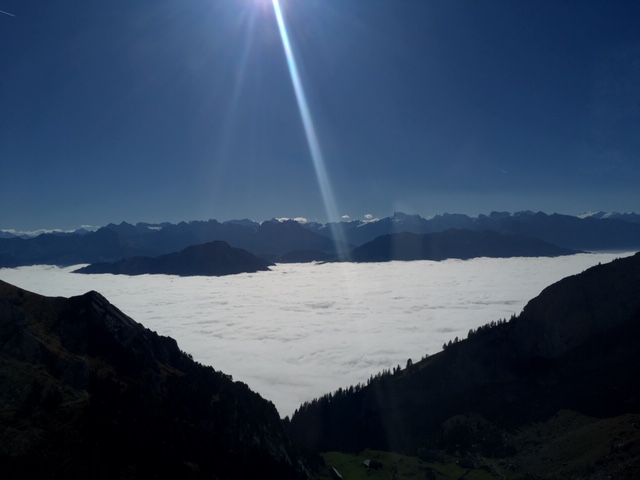
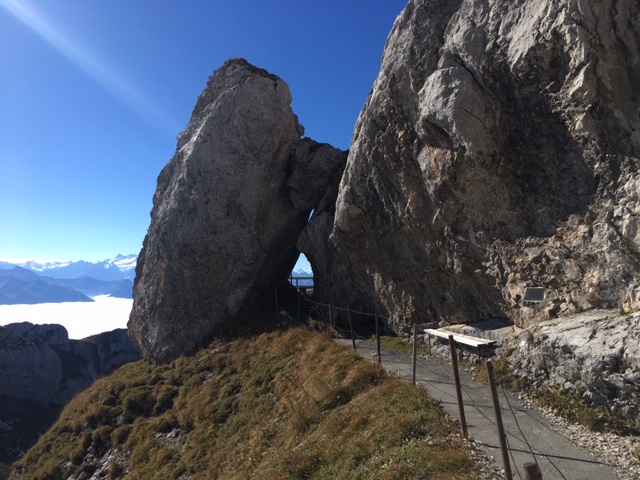
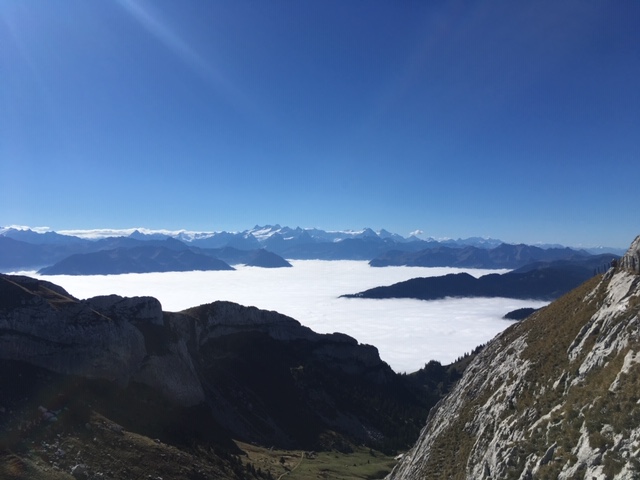
Exploring Mount Pilatus
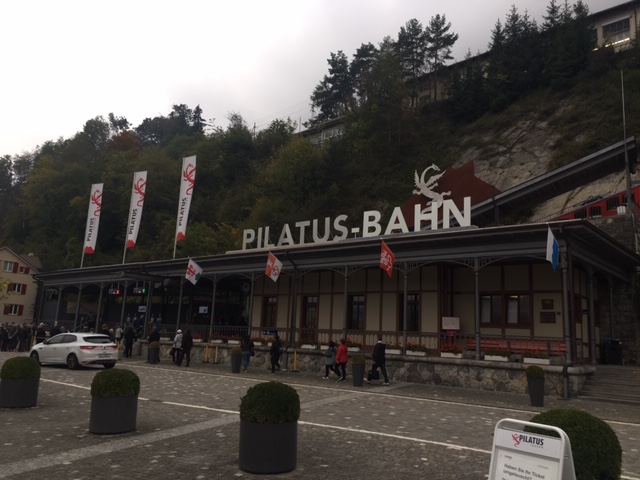
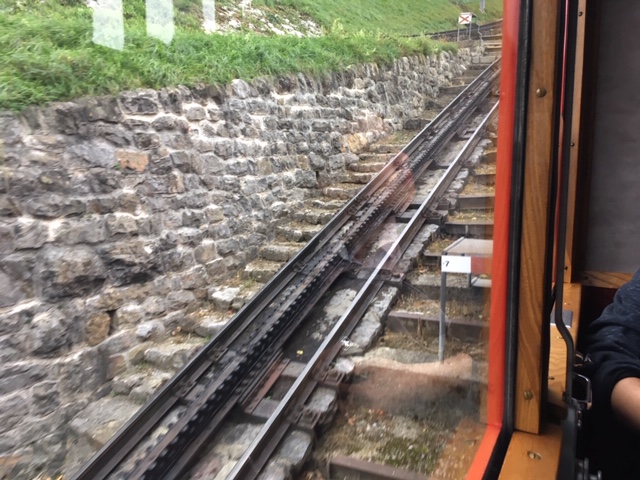
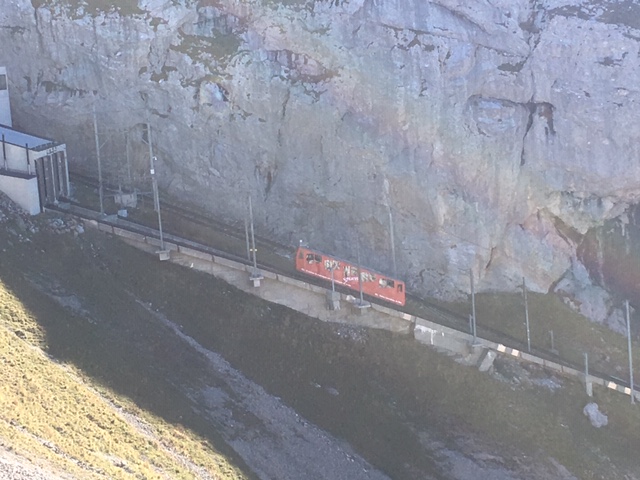
Mount Pilatus, one of the most iconic peaks in the Lucerne area, offers numerous activities. Visitors can reach the summit via the world’s steepest cogwheel railway or by taking a gondola and aerial cableway from Kriens.
At the top, there are hiking trails, panoramic viewpoints, and the opportunity to try the exhilarating Dragon Ride cable car.


Hiking and biking
Lucerne is a gateway to numerous hiking and biking trails that cater to all levels of fitness.
Popular trails include the Swiss Path around Lake Lucerne, the Rigi Panorama Trail, and various routes on Mount Pilatus and Mount Rigi. These trails offer spectacular views and a chance to experience the natural beauty of the region.
Lucerne Culture and Congress Centre (KKL)
Designed by renowned architect Jean Nouvel, the Lucerne Culture and Congress Centre or Kultur- und Kongresszentrum Luzern (KKL) is a cultural hub hosting concerts, conferences, and exhibitions.
Its concert hall is famous for its exceptional acoustics, making it a premier venue for classical music performances.
Shopping
Lucerne offers a variety of shopping experiences, from luxury boutiques to local markets.
The Old Town is filled with shops selling Swiss watches, chocolates, and souvenirs. The weekly farmers’ market on the banks of the Reuss river is a great place to buy local produce and crafts.
Eating
Lucerne’s culinary scene is diverse, offering everything from traditional Swiss dishes to international cuisine.
Some local specialties to try include:
- Fondue and Raclette: Classic Swiss cheese dishes.
- Luzerner Chügelipastete: A traditional pastry filled with meat and mushrooms in a creamy sauce.
- Rösti: A Swiss potato dish often served with various toppings.
For a unique dining experience, visit one of Lucerne’s lakeside restaurants, which offer stunning views and delicious meals.
Festivals and events
Lucerne hosts a variety of festivals and events throughout the year:
- Lucerne Festival: One of the world’s leading classical music festivals, held annually in summer.
- Fasnacht: Lucerne’s lively carnival, featuring parades, masks, and music, celebrated in the weeks leading up to Lent.
- Blue Balls Festival: An annual music and arts festival held in July, attracting artists and performers from around the world. Also, an interesting name. Are they holding something up?
Transportation
Lucerne is well-connected by public transport, making it easy to explore the city and its surroundings. The city’s efficient bus and train network, along with the boat services on Lake Lucerne, provide excellent connectivity.
The Swiss Travel Pass offers unlimited travel on public transport and discounts on many attractions.
Accommodation
Lucerne offers a wide range of accommodation options to suit different budgets and preferences. From luxury hotels like the Bürgenstock Resort and Hotel des Balances to budget-friendly hostels and charming guesthouses, there is something for every traveler.
So?
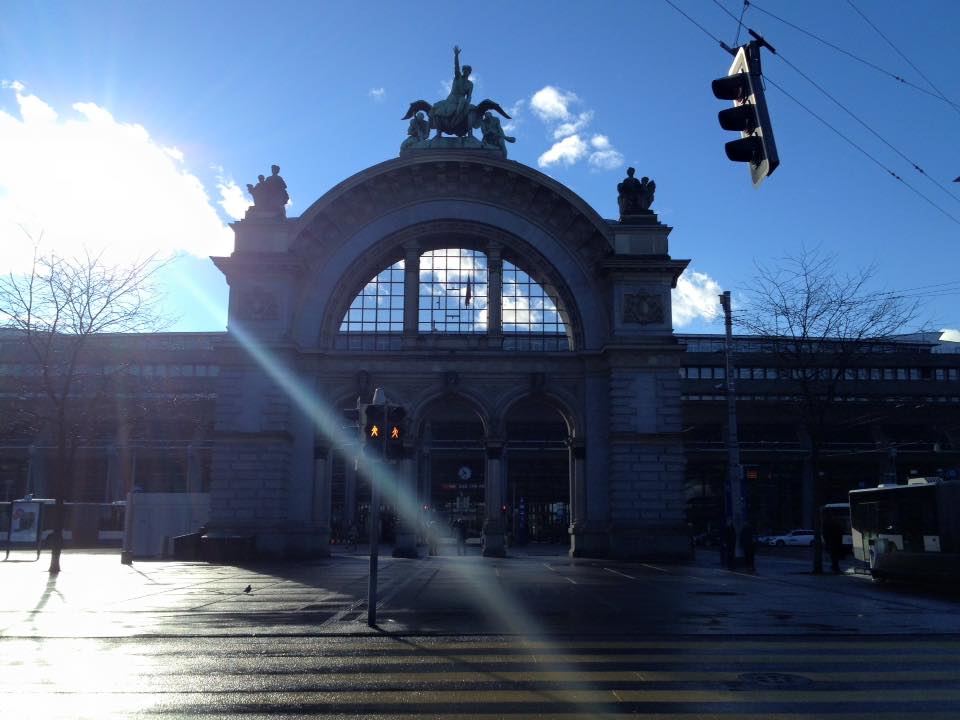
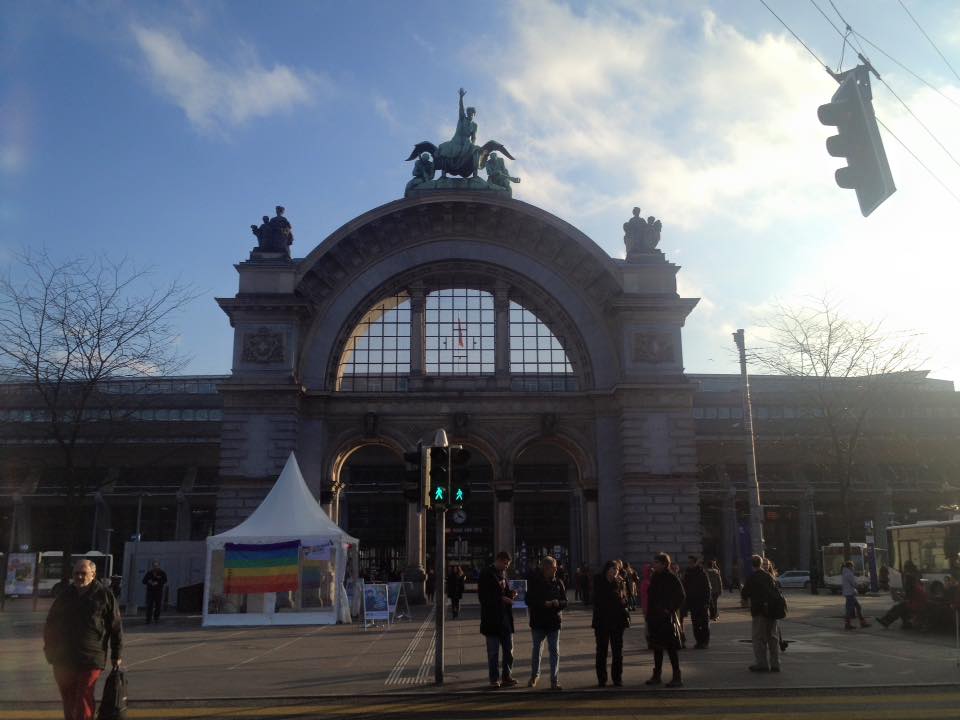
Lucerne is definitely worth your time, but it won’t host the ESC. Despite being a pivotal spot on the Swiss rail network.
On Lucerne
- SWITZERLAND 2022 | Voralpen-Express: Sankt Gallen – Rapperswil – Lucerne.
- SWITZERLAND 2022 | Thurbo Seelinie, discovering Switzerland’s northern lake route.
- My first Swiss rail trip part 14: Lucerne and Kussnacht am Rigi.
- My first Swiss rail trip part 13: Zentralbahn to Lucerne and Engelberg.
- VIDEO | Snow white GoldenPass Line ride from Montreux to Zweisimmen, Interlaken and Lucerne in Switzerland.
- VIDEO | Pilatus-Bahn – Mount Pilatus cogwheel railway in Switzerland.
- PHOTOS | Swiss Museum of Transport Verkehrshaus in Lucerne.
 Trip By Trip
BEAUTIFUL 💖
LikeLiked by 1 person
Thank you PK
🙂
LikeLiked by 1 person