
Switzerland will host the 2025 Eurovision Song Contest. But which city in the Helvetic Confederation will welcome the thousands of artists, media people and fans? Geneva, Sankt Gallen, Basel and Fribourg have already expressed their interest. Other obvious options are Zurich and Bern. And why not Lausanne? Swiss broadcaster Schweizer Radio und Fernsehen (SRF) also sees Biel/Bienne and Lucerne as viable options. Combined, Danny and I have visited almost all of them. So let us introduce them.
Biel/Bienne in the canton of Bern, Lugano in the canton of Ticino and Fribourg (Freiburg) in the eponymous canton have been named as potential host cities for the Eurovision Song Contest 2025. But it’s not going to happen.
Biel/Bienne is candidate because it’s ESC 2024 winner Nemo‘s hometown. They’d like the Cintest to be hosted there. But there is political reluctance on cantonal level.
Lugano hosted the very first Eurovision Song Contest in 1956, but its vice mayor Roberto Badaracco has dismissed the idea. The city and the Italian-speaking canto lack the infrastructure.
Fribourg is studying the possibilities. Hockey stadium BCF Arena can hist 9,000 spectators.
Nor Danny, nor I have been there. But let’s take a look. Maxime kindly took the time to look in his archive for photos of Biel/Bienne, Lugano and Fribourg. Thank you!
Biel or Bienne or Biel / Bienne?
Biel/Bienne is a bilingual city. With over 55,000 residents, it is the country’s tenth-largest city by population. The Biel metropolitan area has a population of around 100,000 inhabitants. Biel/Bienne lies on the language boundary between the French-speaking and German-speaking parts of Switzerland, and is bilingual throughout.
Biel is the German name for the city whereas Bienne is its French counterpart. The city is often referred to in both languages simultaneously. Since 2005, the official name has been Biel/Bienne. Until then, the town was officially named Biel or Bienne.
The cities of Neuchâtel (Neuenburg), Solothurn (Soleure), and Bern (the capital of Switzerland) lie southwest, northeast and southeast of Biel/Bienne. They all can be reached within about 30 minutes by train or car.
The cities of Zurich, Basel and Lausanne can each be reached in about one hour by car or train.


Microcosm of Swiss diversity
Biel/Bienne is seen as microcosm of Swiss diversity. Biel/Bienne’s history dates back to Roman times when it was known as Basilia. However, it wasn’t until the Middle Ages that the city began to take shape as a significant settlement.
In 1275, Biel received a city charter from the Bishop of Basel, marking its official recognition as a town.
The city played a notable role during the Reformation and later became a hub for the Swiss watchmaking industry in the 19th century. With world-famous watch brands such as Rolex, Omega and Swatch based in Biel/Bienne, the city is one of the main centres of the Swiss watch industry and is also referred to as the ‘world capital of watchmaking’.

Today, Biel/Bienne is renowned for its bilingualism, with both German and French enjoying equal status, making it an important center for cultural and linguistic exchange.
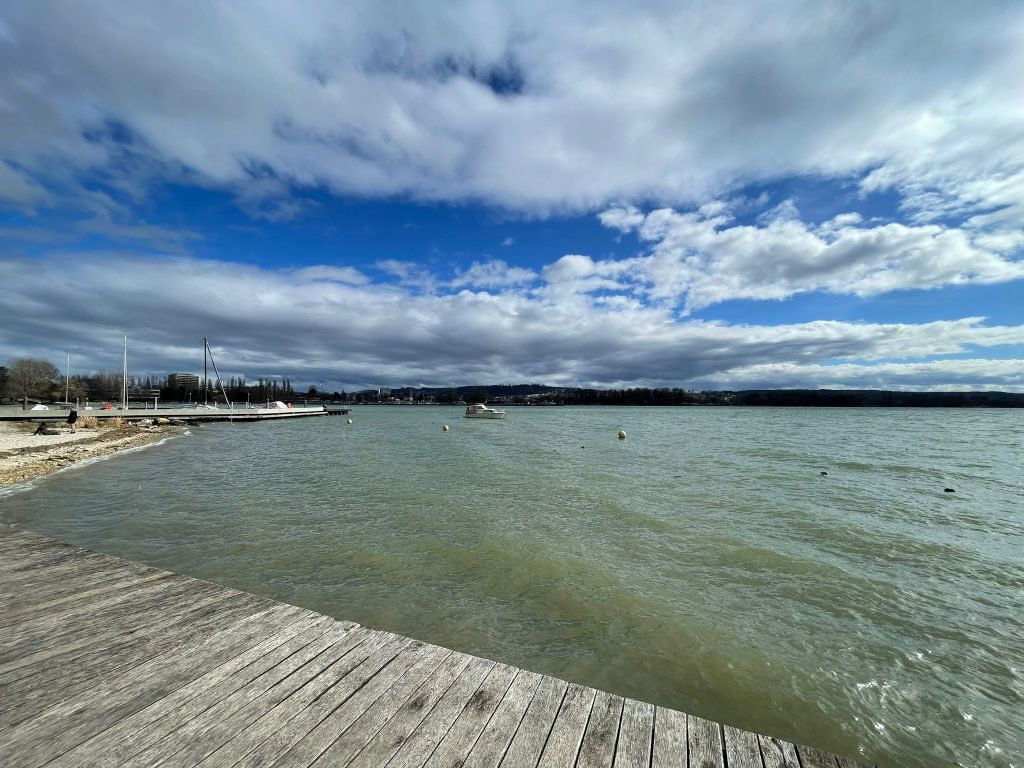
Lake Biel
Lake Biel (Bielersee, Lac de Bienne) is one of the main natural attractions in the region. The lake offers numerous recreational activities, including boating, swimming, and picnicking. The picturesque St. Peter’s Island, accessible by boat, is a popular destination known for its serene beauty and historical significance. Philosopher Jean-Jacques Rousseau spent time here, seeking solace and inspiration.
Old Town
Biel/Bienne’s Old Town (Altstadt, Vieille Ville) is a charming area with narrow cobblestone streets, medieval buildings, and historic landmarks. Key sites include:
- Ring Square (Ringplatz, Ring): This central square is surrounded by well-preserved medieval architecture and is home to the Gothic-style Church of St. Benedict.
- The Town Hall (Rathaus, mairie): Built in the late Gothic style, the Town Hall showcases beautiful frescoes and intricate woodwork.
Omega Museum and Swatch Museum
As the cradle of Swiss watchmaking, Biel/Bienne houses several important museums dedicated to this craft. The Omega Museum chronicles the history of the famous watch brand, showcasing iconic timepieces and their contributions to space exploration, sports, and more.
The Swatch Museum offers an engaging overview of the brand’s innovative designs and marketing strategies.
The Jura Mountains
The nearby Jura Mountains offer a plethora of outdoor activities, including hiking, biking, and skiing. The mountain range provides stunning views and is a haven for nature enthusiasts. Chasseral, the highest peak in the region, offers panoramic vistas that stretch across the Swiss Plateau to the Alps.
The Pasquart Art Centre
For art lovers, the Pasquart Art Centre is a must-visit. This contemporary art museum features rotating exhibitions of Swiss and international artists, along with a focus on modern and contemporary art. The center also hosts cultural events, workshops, and lectures.
Language and culture exchange
Biel/Bienne’s bilingual nature makes it an ideal place for language and cultural exchange. The city hosts various festivals and events celebrating both German and French cultures. The Fête de la Musique and the Biel/Bienne Festival of Photography are just a few examples of events that draw visitors from across Switzerland and beyond.
Wine tasting
The region around Lake Biel is renowned for its vineyards and wine production. Visitors can enjoy wine tours and tastings, particularly of the local specialties such as Pinot Noir and Chasselas. The annual Bielersee Wine Festival is a highlight, offering an opportunity to sample a wide variety of local wines.
Outdoor activities
In addition to the Jura Mountains, the surrounding area offers numerous opportunities for outdoor activities. The Twannbach Gorge is a scenic hiking destination with trails that lead through lush landscapes and past cascading waterfalls. The lake itself is perfect for sailing, windsurfing, and fishing.
Gastronomy
Biel/Bienne’s culinary scene reflects its bilingual character, offering a mix of German and French cuisine.
Local restaurants serve traditional Swiss dishes such as fondue and raclette, as well as regional specialties like tarte tatin and rösti. The city’s markets, such as the weekly farmer’s market, are great places to sample fresh local produce and artisanal products.
Lugano
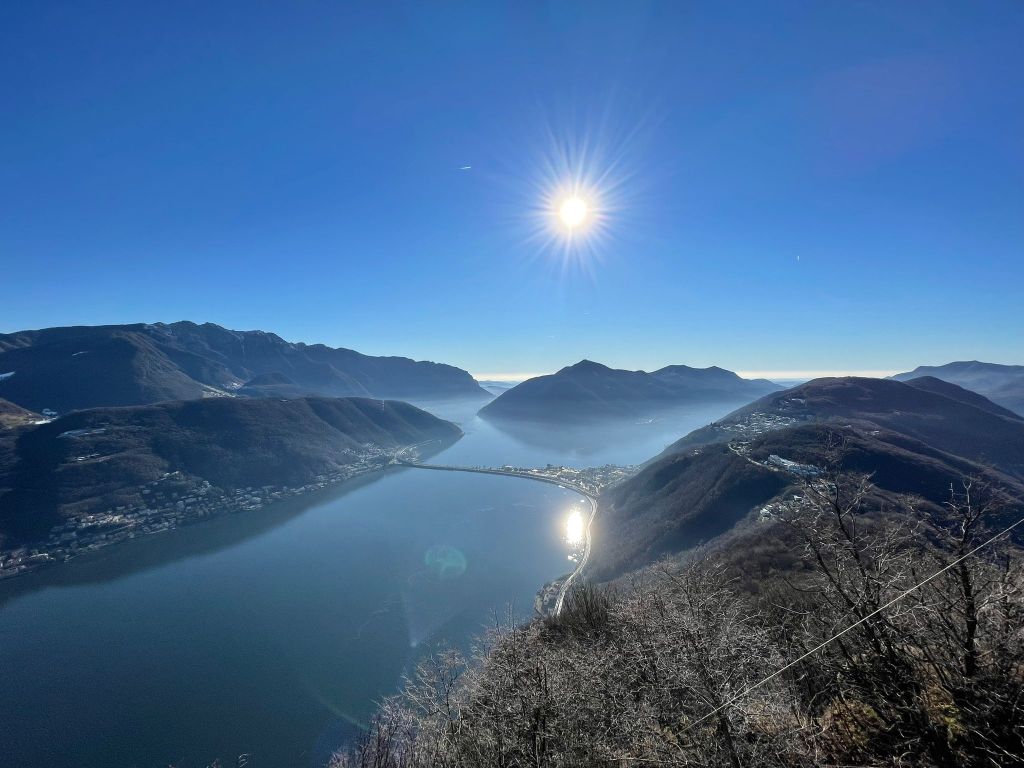
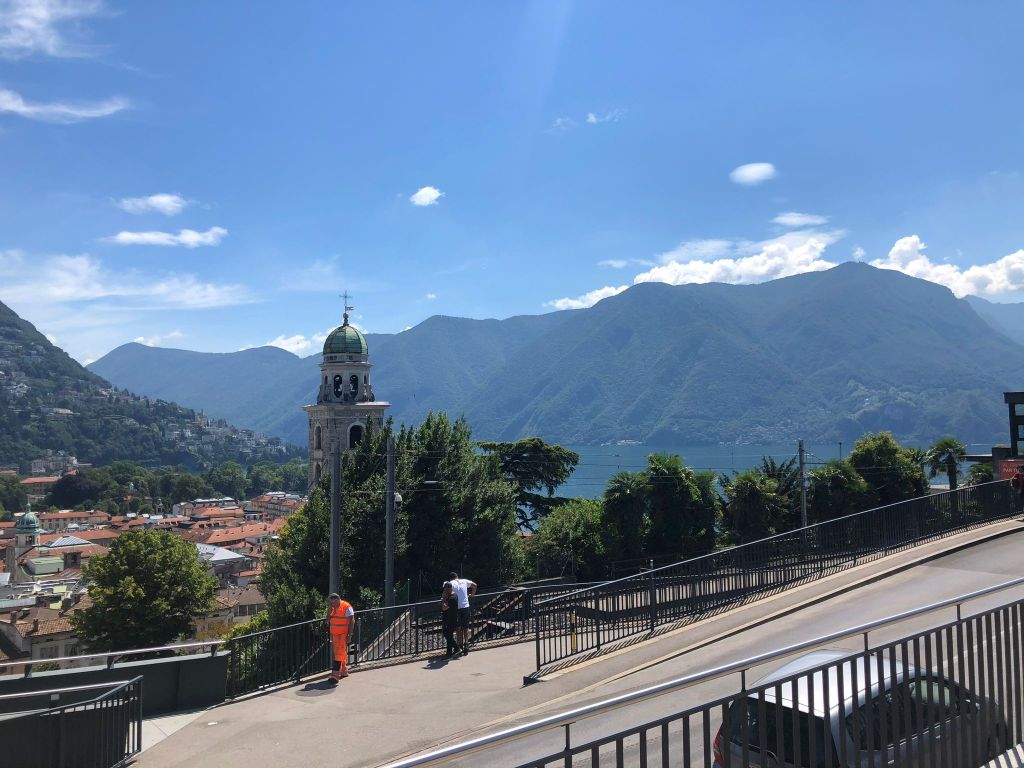
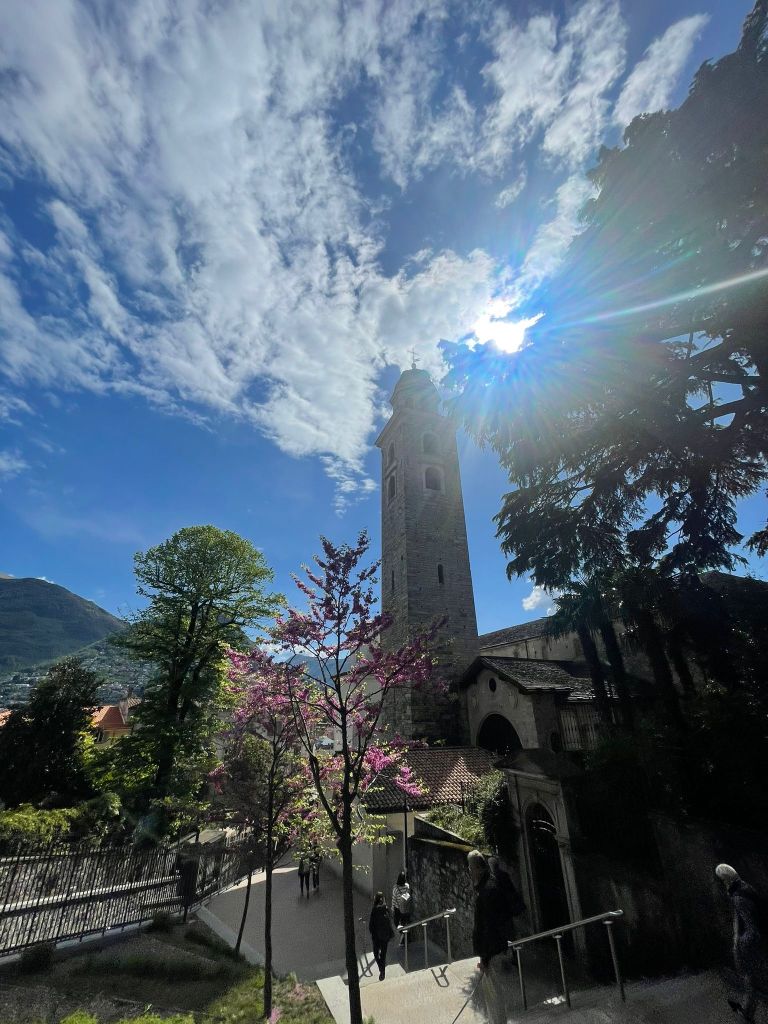
Lugano offers a blend of Swiss efficiency and Italian flair. Nestled between the beautiful Lake Lugano and the surrounding mountains, the city offers a unique combination of natural beauty, rich cultural heritage, and vibrant urban life.
Lugano’s history dates back to the Stone Age, but its development as a significant settlement began in Roman times. The city’s name is believed to derive from the Latin word ‘Lucus‘ meaning “sacred wood”. Throughout the Middle Ages, Lugano was influenced by the Lombards and later became part of the Swiss Confederation in the 16th century. The city flourished during the Renaissance, becoming a center for trade and commerce.
In the 19th century, Lugano’s picturesque landscapes attracted artists, writers, and travelers, marking the beginning of its reputation as a resort destination. Today, Lugano is a financial hub, renowned for its banking sector, while also maintaining its cultural and historical charm.
Lake Lugano
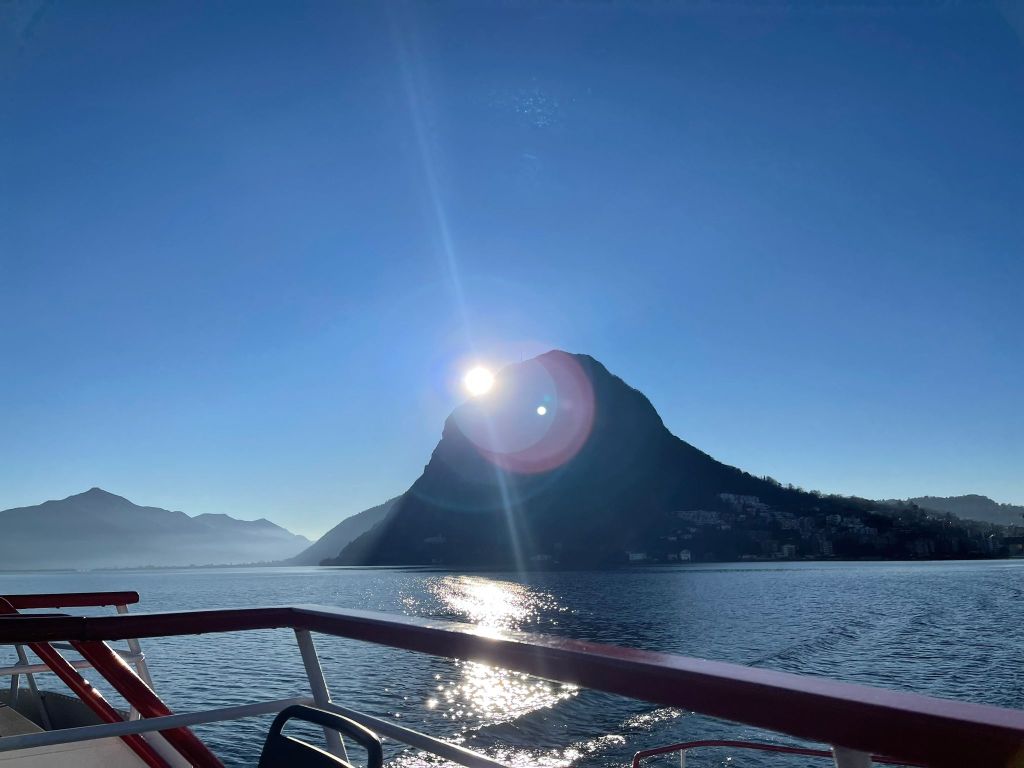
Lake Lugano is the centerpiece of the city, offering breathtaking views and a plethora of recreational activities. Visitors can enjoy boat tours, paddleboarding, and swimming in the crystal-clear waters. The lakeside promenades, such as the Parco Ciani, are perfect for leisurely walks and picnics.

Monte Brè and Monte San Salvatore
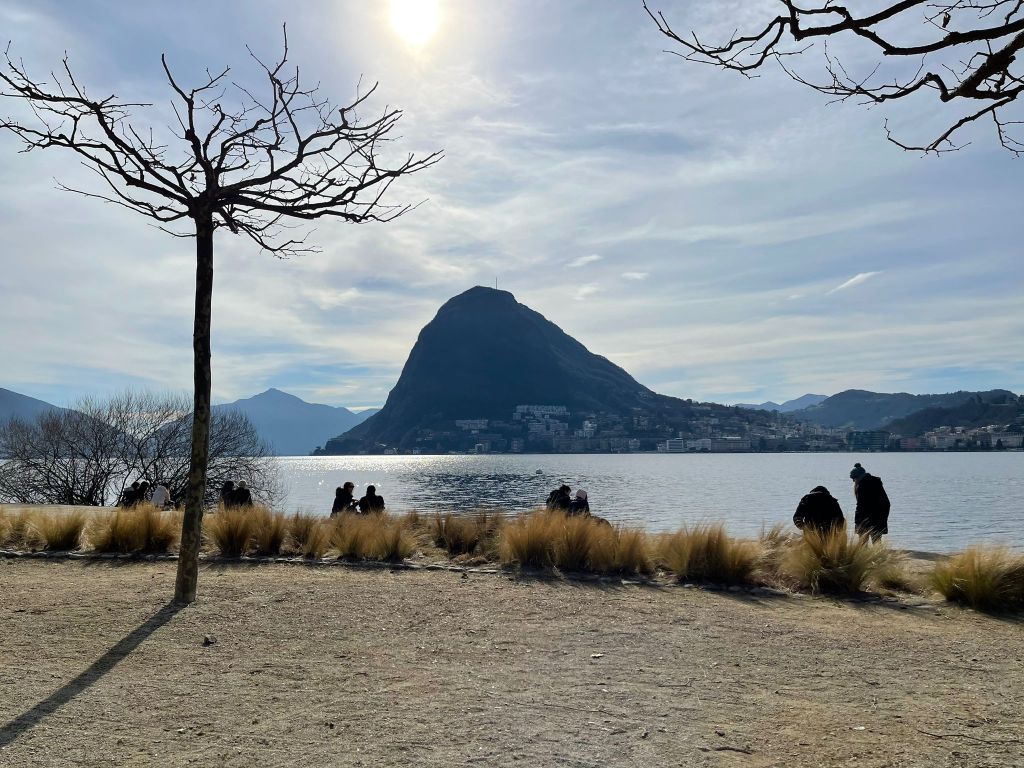
For panoramic views of Lugano and its surroundings, a visit to Monte Brè and Monte San Salvatore is essential.
Both mountains are accessible by funiculars and offer hiking trails, mountain biking routes, and charming restaurants with terraces overlooking the lake.


Parco Ciani
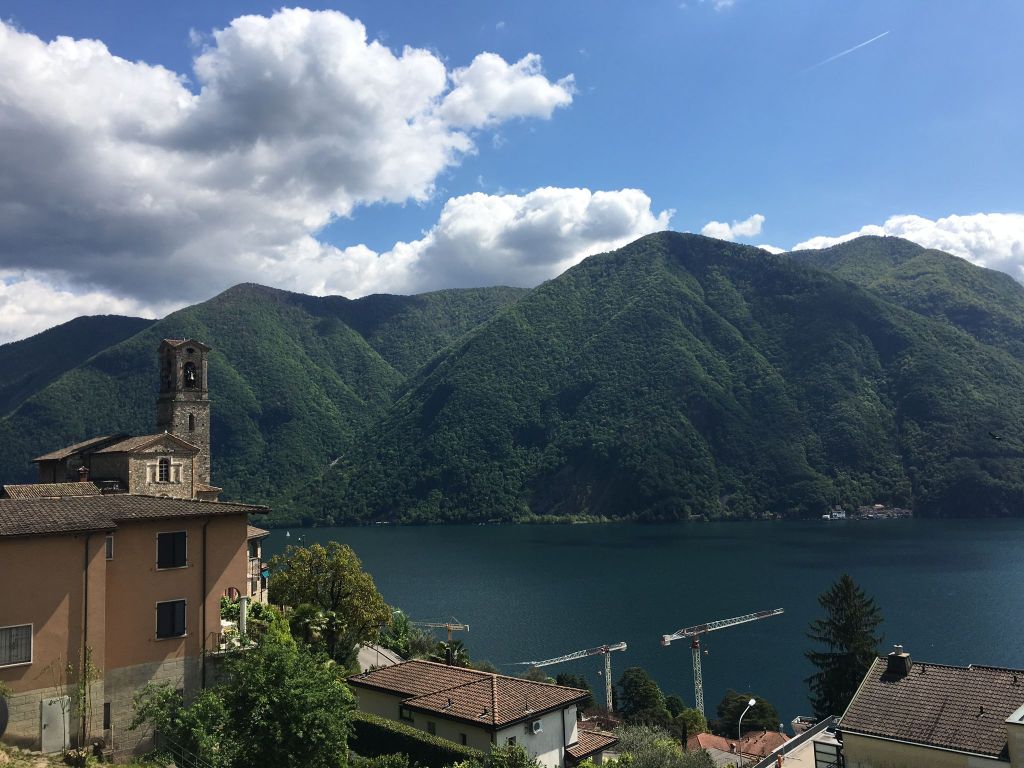
Parco Ciani, Lugano’s largest and most beautiful park, stretches along the lakeshore. The park features meticulously maintained gardens, historical statues, and playgrounds. It’s an ideal spot for relaxation and offers stunning views of the lake and surrounding mountains.
Villa Ciani and LAC Lugano Arte e Cultura
Villa Ciani, located within Parco Ciani, is a historic villa that hosts various exhibitions and cultural events. Nearby, LAC Lugano Arte e Cultura is a modern cultural center that houses a theater, concert hall, and museum.
LAC is a hub for the performing arts, offering a diverse program of concerts, operas, and exhibitions.



Swiss Miniatur
Just a short drive from Lugano, Swiss Miniatur in Melide is a unique attraction showcasing Switzerland in miniature form. The park features detailed models of famous Swiss buildings, landmarks, and railways, providing an entertaining and educational experience for all ages.
Museo d’Arte della Svizzera Italiana (MASI)
MASI, the Museum of Art of Italian Switzerland (Museo d’Arte della Svizzera Italiana), is one of Lugano’s premier cultural institutions. It exhibits a rich collection of artworks from the Renaissance to contemporary art, with a focus on artists from the Ticino region and northern Italy.
Gandria
The village of Gandria, located on the eastern shore of Lake Lugano, is accessible by boat or foot via the scenic Sentiero di Gandria trail. The village is known for its narrow, winding streets, traditional stone houses, and serene atmosphere. Gandria also features the Swiss Customs Museum, which offers insights into the history of smuggling and border control in the region.
Festivals and events
Lugano hosts numerous festivals and events throughout the year, reflecting its vibrant cultural scene.
The Lugano Festival, held in spring, features classical music concerts by renowned international artists. The Estival Jazz in summer is a free open-air festival that attracts jazz enthusiasts from all over the world. Additionally, the Autumn Festival celebrates local traditions with food stalls, music, and crafts.
Shopping
Lugano offers a diverse shopping experience, from luxury boutiques and designer stores to charming markets and local shops. Via Nassa, one of the city’s main shopping streets, is lined with elegant stores offering high-end fashion, jewelry, and Swiss watches.
The weekly market at Piazza della Riforma is perfect for buying fresh produce, local delicacies, and handmade crafts.
Gastronomy
Lugano’s culinary scene is heavily influenced by Italian cuisine, offering a delightful array of dining options.
Traditional Ticinese dishes such as risotto, polenta, and ossobuco are popular, as well as Italian favorites like pasta and pizza. The city boasts numerous fine dining restaurants, cozy trattorias, and lakeside cafes where visitors can savor delicious meals while enjoying stunning views.
Outdoor activities
Beyond the urban attractions, Lugano is a paradise for outdoor enthusiasts. The surrounding mountains and hills provide excellent opportunities for hiking, mountain biking, and rock climbing.
The Lugano Region also offers several well-marked trails, such as the Olive Tree Path, which takes hikers through olive groves and offers panoramic views of the lake.
Boating and watersports
Lake Lugano is ideal for various watersports, including sailing, windsurfing, and kayaking. Boat rentals are available for those who wish to explore the lake at their own pace, and guided boat tours offer a relaxing way to see the sights and learn about the area’s history and culture.
Key statistics
Lugano has a population of approximately 63,000 residents, making it the largest city in the Ticino canton and the ninth largest in Switzerland. The metropolitan area, which includes neighboring municipalities, has a population of around 150,000.
The primary language spoken in Lugano is Italian, reflecting the city’s cultural and historical ties to Italy. However, English and German are also widely understood, especially in tourist areas and business sectors.
Lugano is an important financial center in Switzerland, with a robust banking and finance sector. The city is also a hub for commerce, education, and tourism. Its strategic location near the Italian border makes it a key player in cross-border trade and economic activities.
Lugano is home to several prestigious educational institutions, including the Università della Svizzera italiana (USI), which offers programs in economics, communication, informatics, and architecture. The presence of international schools and research institutes further enhances the city’s academic environment.
Lugano is well-connected by public transport, including buses, trains, and boats. The Lugano Railway Station provides easy access to major Swiss cities and Italy. Lugano Airport, although small, offers flights to various European destinations, and the nearby Milan Malpensa Airport provides extensive international connections.
Best time to visit
The best time to visit Lugano is from April to October when the weather is warm and conducive to outdoor activities.
The city’s parks and gardens are in full bloom during spring and summer, and the lake offers a refreshing escape from the heat. Autumn is also a great time to visit, with mild weather and vibrant fall colors.
Fribourg
Fribourg is bilingual French and German. The city is not to be confused with Freiburg im Breisgau in Germany.
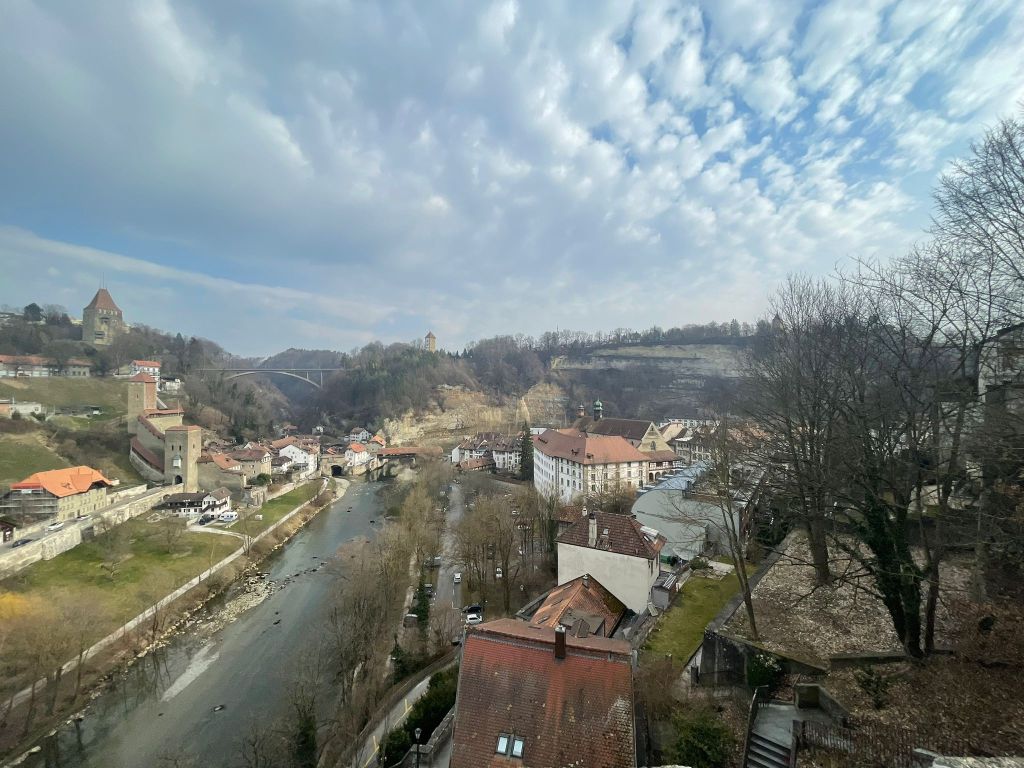
Fribourg was founded in 1157 by Berthold IV, Duke of Zähringen. Its strategic location on the Sarine (Saane) river made it an important commercial and military center in medieval Switzerland.
The city’s name, derived from ‘frei‘ (free) and ‘Burg’ (fortress), reflects its early status as a free town. Fribourg’s fortifications, including the well-preserved city walls and towers, bear testimony to its medieval past.
Throughout the centuries, Fribourg has been a center of trade, religion, and education. It joined the Swiss Confederation in 1481, further solidifying its role in Swiss history. The city’s University of Fribourg, established in 1889, is renowned for its bilingualism and academic excellence.

Fribourg Old Town
Fribourg’s Old Town (Vieille Ville) is one of the best-preserved medieval centers in Europe. Its narrow, winding streets, Gothic facades, and historic buildings transport visitors back in time.
Key highlights include:
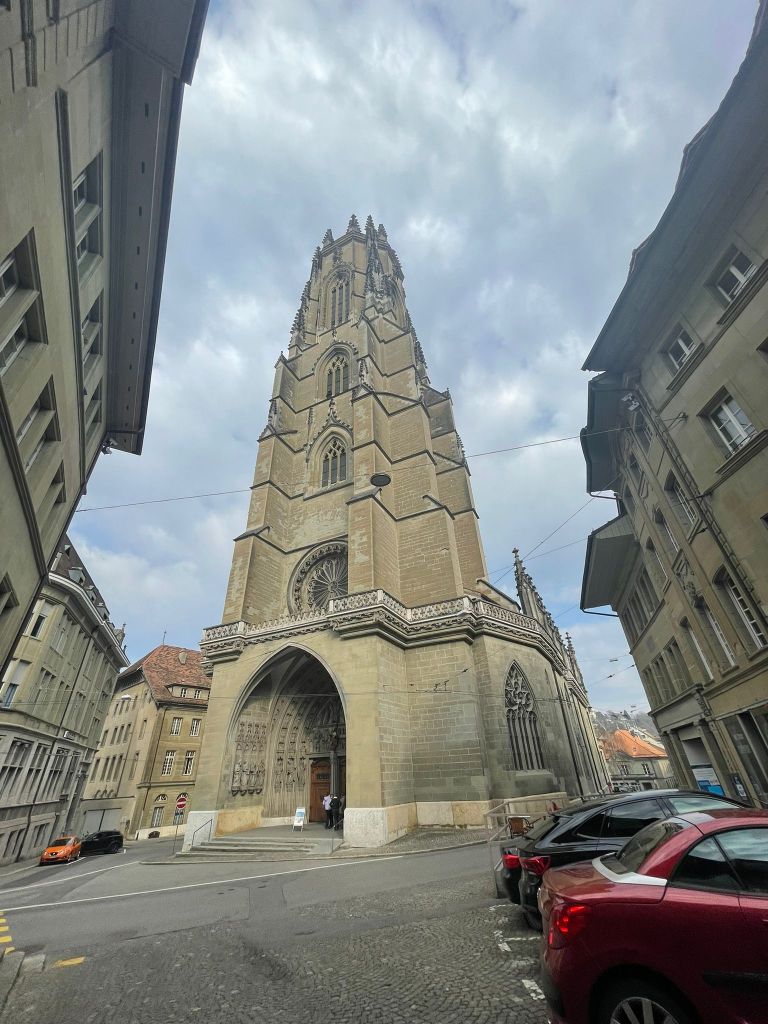
- St. Nicholas Cathedral: This Gothic masterpiece, with its towering spire and intricate stained glass windows, is a symbol of Fribourg. The cathedral’s organ is renowned for its exceptional sound quality.
- Bern Bridge (Pont de Berne): A covered wooden bridge dating back to the 13th century, offering picturesque views of the Sarine river.
- Town Hall (Hôtel de Ville): Built in the 16th century, this Renaissance building is adorned with a distinctive clock tower and houses the city’s administration.
Fribourg’s fortifications
The city walls, towers, and gates of Fribourg are remarkably well-preserved. Visitors can explore the defensive structures, including the Zähringer Bridge and the remaining city gates such as the Bern Gate and the Gotteron Gate, which provide insights into medieval military architecture.
Museums and galleries
Fribourg boasts several museums and galleries that cater to a wide range of interests:
- The Museum of Art and History (Musée d’Art et d’Histoire): Located in a former abbey, this museum showcases a diverse collection of artworks, historical artifacts, and archaeological finds.
- Espace Jean Tinguely – Niki de Saint Phalle: Dedicated to the works of the Swiss artist Jean Tinguely and his wife Niki de Saint Phalle, this museum offers a fascinating look into modern and contemporary art.
The Botanical Garden
The University of Fribourg’s Botanical Garden is a serene haven featuring a variety of plant species from around the world. It’s a perfect spot for nature lovers and offers educational tours and events.
The Gutenberg Museum
Located in the nearby town of Marly, the Gutenberg Museum is dedicated to the history of printing and typography. It houses a collection of printing presses, historical documents, and exhibits on the evolution of the printed word.
Festivals and events
Fribourg is a city of festivals, celebrating its rich cultural heritage throughout the year. Some notable events include:
- The International Folklore Festival: A vibrant celebration of traditional music, dance, and costumes from around the world.
- The Fribourg International Film Festival: Showcasing a diverse selection of films, this event attracts cinephiles and industry professionals alike.
- St. Nicholas Festival: Held in early December, this traditional festival honors the city’s patron saint with a festive parade, market, and cultural events.
Gastronomy
Fribourg’s culinary scene is a delightful fusion of Swiss, French, and German influences. Local specialties include:
- Fondue Moitié-Moitié: A creamy blend of Gruyère and Vacherin cheese, this dish is a must-try.
- Cuchaule: A sweet saffron bread typically enjoyed with Bénichon mustard.
- Friandise: Fribourg’s version of chocolate pralines, reflecting the region’s rich confectionery tradition.
The city’s markets, such as the weekly market at Place Georges-Python, offer fresh local produce and artisanal products, providing a true taste of Fribourg’s culinary heritage.
Outdoor activities
Fribourg’s scenic landscape, with its river, forests, and mountains, offers numerous opportunities for outdoor activities.
Hiking trails like the Sentier des Falaises and the Gotteron Gorge trail provide breathtaking views and are popular among nature enthusiasts. The Sarine river is perfect for kayaking and canoeing, while the nearby Schwarzsee or Black Lake is ideal for swimming, fishing, and ice skating in winter.
Academic and educational tours
Fribourg’s status as an educational hub makes it an excellent destination for academic tours. The University of Fribourg offers campus tours and lectures, providing insights into its bilingual education system and research initiatives.
Key statistics
Fribourg has a population of approximately 38,000 residents. The city’s population is bilingual, with both French and German spoken widely. This linguistic diversity adds to Fribourg’s cultural richness and cosmopolitan atmosphere.
The economy of Fribourg is diverse, with strengths in education, manufacturing, and services. The presence of multinational companies and research institutions contributes to the city’s economic vitality.
Best time to visit
The best time to visit Fribourg is during the spring and summer months, April to September, when the weather is warm and conducive to outdoor activities. The city’s festivals and cultural events are also in full swing during this period. Autumn is another great time to visit, with mild weather and colorful foliage.
Related blog posts
- Romandy.
- Ostende-Vienne Orient Experience plans tourist season night trains from Brussels and Antwerp to Salzburg, Innsbruck and Milan.
- Switzerland 2022.
- SWITZERLAND | GoldenPass Montreux – Gstaad – Interlaken without changing at Zweisimmen thanks to dual-gauge trains.
- Château de Gruyères Castle in Switzerland’s Fribourg canton.
- VIDEO | La Maison du Gruyère – Gruyère House in Gruyères, Fribourg, Switzerland.
- Coping with train delays and cancellations: Zug – Antwerp when everything goes wrong.
 Trip By Trip
5 Comments Add yours