
We haven’t travelled to the Grand Duchy of Luxembourg since 2018 and 2019, but in January 2025 we returned to get a taste of the Alstom Coradia Stream HC which the Société Nationale des Chemins de Fer Luxembourgeois (CFL) runs under the name Série 2400. The Coradia Stream HC was a candidate to become NMBS /SNCB‘s AM30, until it was (all but) decided Construcciones y Auxiliar de Ferrocarriles (CAF) from Spain would adapt its CAF Civity Duo. Although that decision is being challenged. While in the grand duchy, we also visited Schengen and Diekirch. 2025 is big year for the country, as on 3 October, Grand Duke Henri (Henry) will abdicate in favour of his son, Guillaume, who will become Grand Duke Guillaume V (or William V).
It was January, it was cold, it was raining and then snowing. So after returning from Schengen and after checking in at Sofitel Luxembourg Europe, we decided to take one of the modern trams to the Lëtzebuerg City Museum.
“This museum brings the capital’s more than one thousand years of history to life: ‘The Luxembourg Story‘ is a permanent exhibition that shows the development of the city through countless original artefacts and models, some of them incorporating multimedia animations. The new UNESCO Visitor Centre fits in perfectly here and continues the same historic theme, while two further floors of the museum house temporary exhibitions. The Lëtzebuerg City Museum is housed in four historic buildings which were built between the 17th and 19th centuries, in some cases on medieval foundations. A special highlight is the vast glass lift that can carry up to 65 people at a time along the ancient walls inside the museum.”

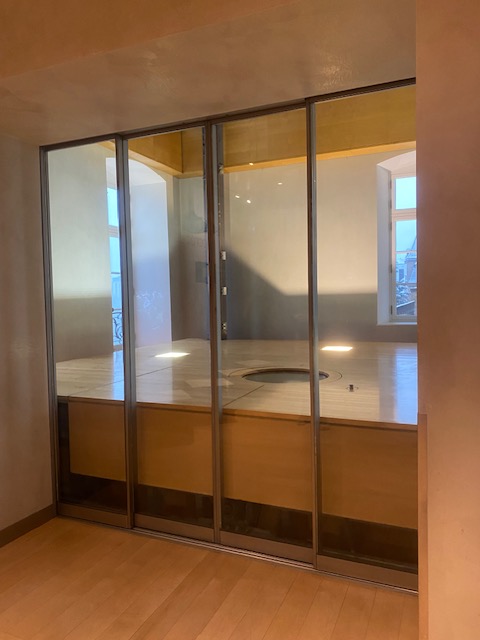

Lëtzebuerg City Museum
The Lëtzebuerg City Museum, formerly known as the Luxembourg City History Museum (French: Musée d’histoire de la Ville de Luxembourg; Luxembourgish: Geschichtsmusée vun der Stad Lëtzebuerg) until May 2017, showcases the thousand-year history of Luxembourg City through a mix of permanent and temporary exhibitions.
The museum, established on 22 June 1996, was designed by Luxembourg architect Conny Lentz in collaboration with Repérages, a Paris-based firm.
The museum mirrors the city’s blend of history and modernity, combining restored 17th- to 19th-century buildings with contemporary architectural features. These structures retain archaeological traces from the Middle Ages, offering a glimpse into the city’s past.
Noteworthy elements include a floating glass façade and a panoramic lift, which connects all floors and provides views of both the rock foundations below and the city’s Grund district and Rham plateau above.
The glass lift, capable of accommodating up to 65 people, visually narrates Luxembourg’s historical evolution. Additionally, ancient vaulted cellars, uncovered during excavations in the early 1990s, add to the museum’s historical depth.
The museum’s lower levels, located beneath the street-level entrance, house the permanent collection, which focuses on the city’s architectural and urban development.
The upper floors are dedicated to temporary exhibitions. A multimedia system integrated throughout the museum offers visitors access to approximately 10,000 documents and nearly 60 audio-visual presentations, documenting the city’s cultural, political, and social history.
Situated on Rue du Saint-Esprit in the old town, the museum is open to the public daily from 10 AM to 6 pm, except on Mondays.
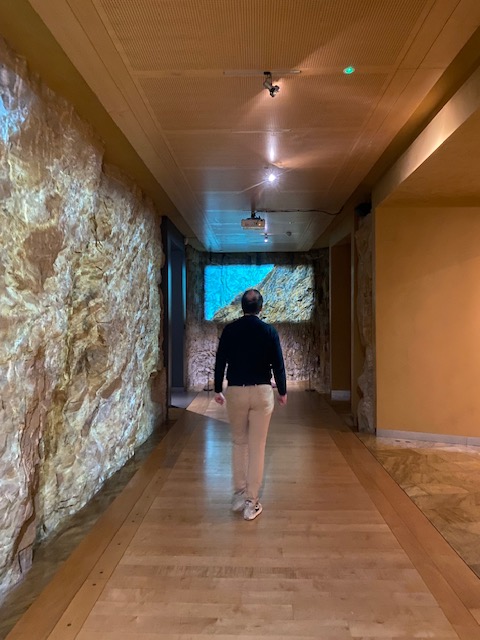
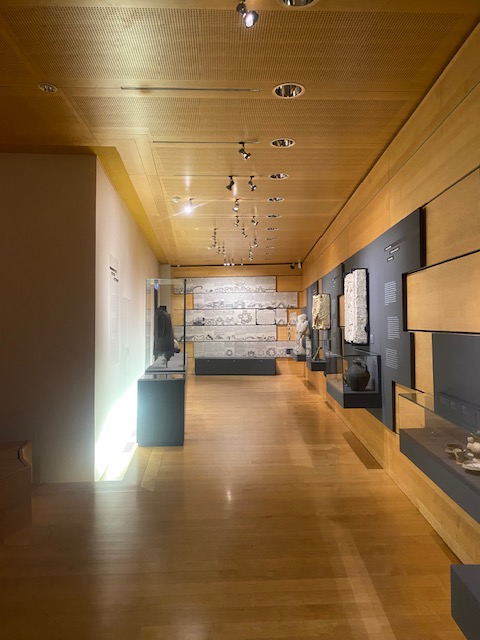

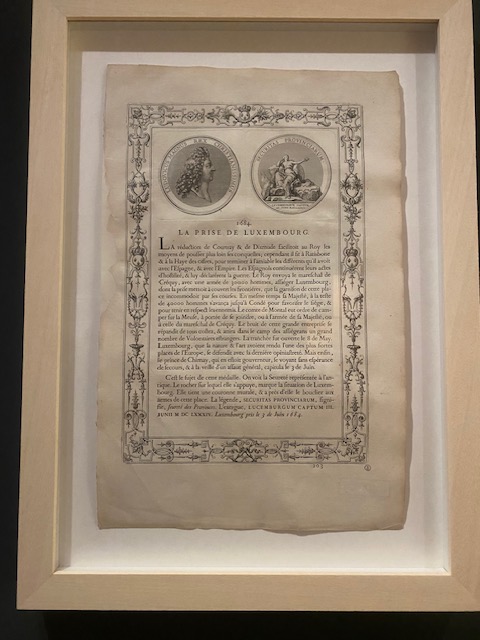
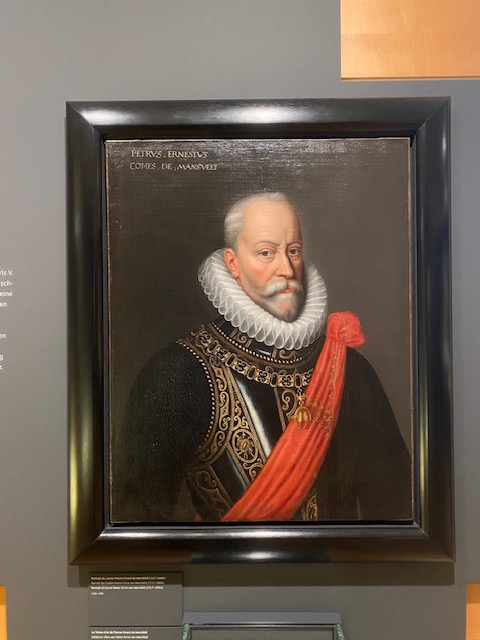
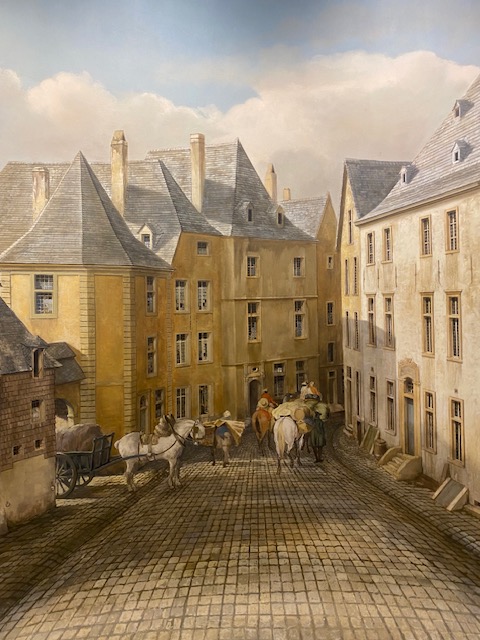
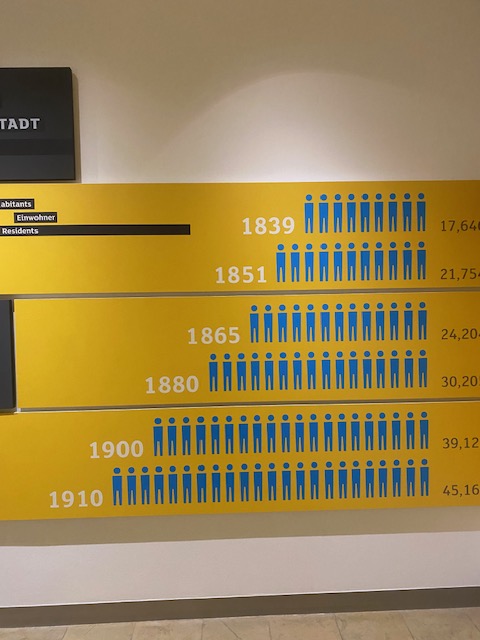

The Luxembourg Story
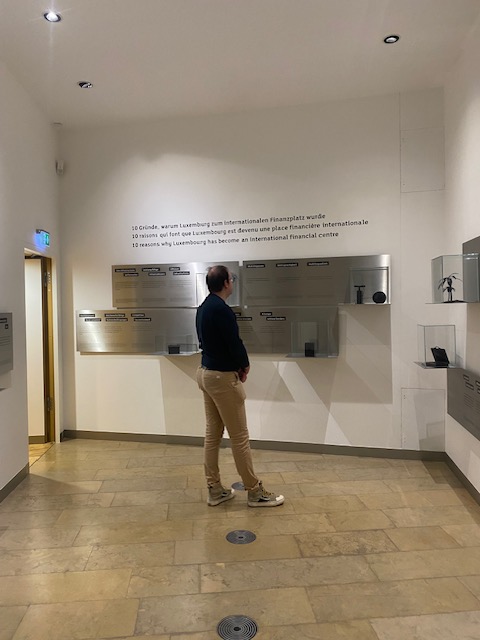
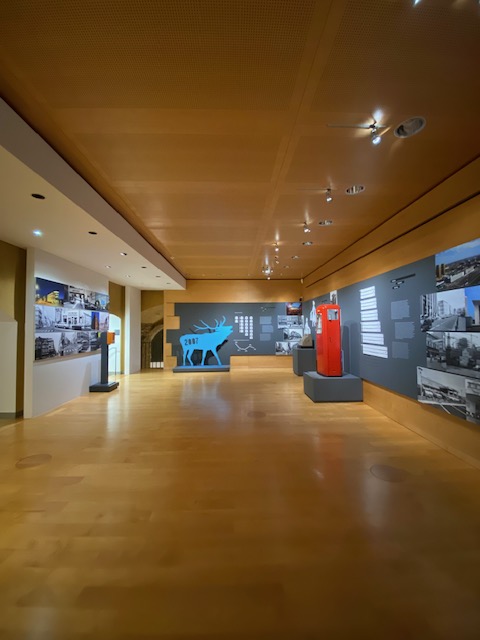
‘The Luxembourg Story’ is the main event. As with many other ‘story of the city’ museums, you get an overview, the exhibitions tackles themes such as (formal) history, popular history, economics, populations, daily life, religion, …
‘The Luxembourg Story’ is spread out on three floors. The halls are numbered, but sometimes the next hall is a bit hard to find. No audio guide, but plain text. We like that.
And as almost always, it ends with contemporary interpretations of past events and dynamics. While it’s nice to offer living artists a platform, it always feels a bit artificial. You can reverse this thought to be more positive.
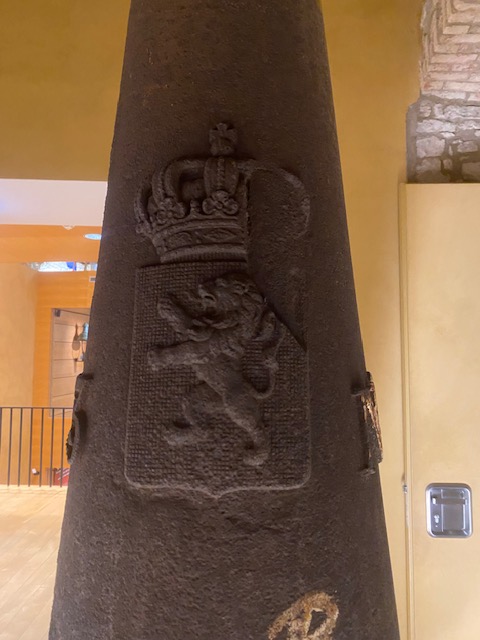


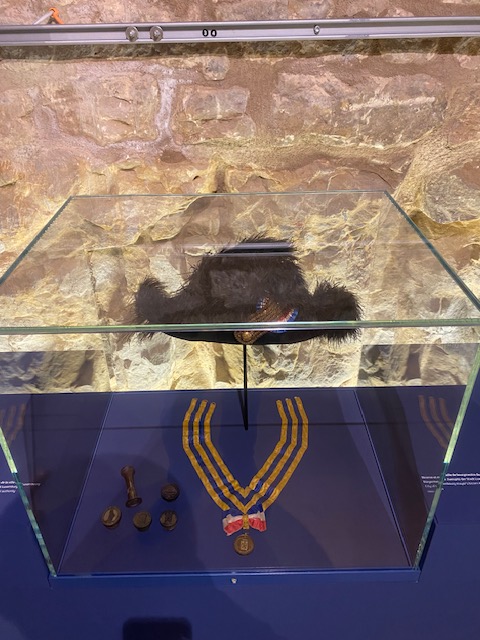
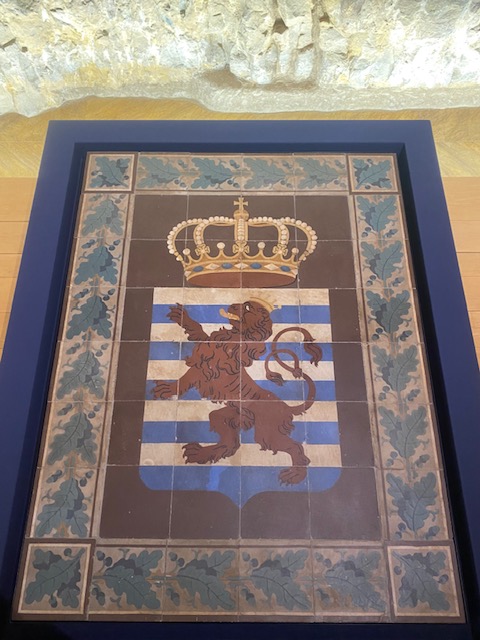

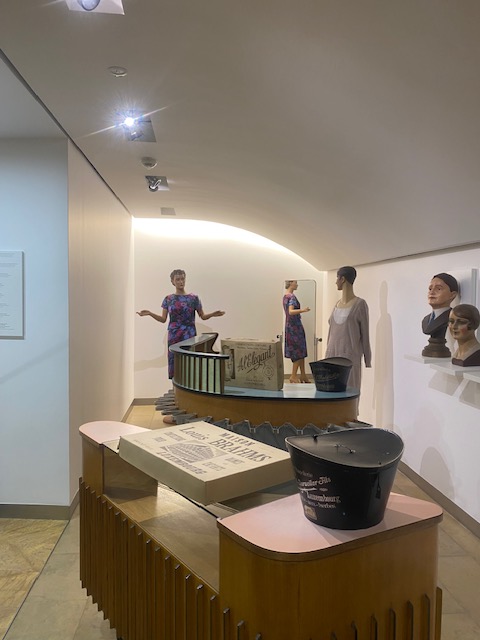
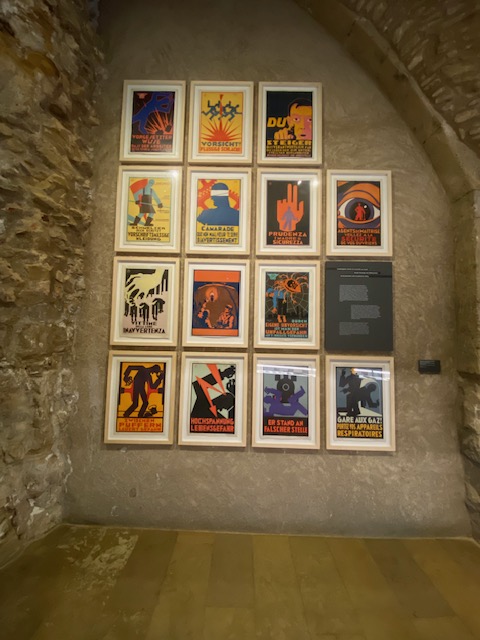
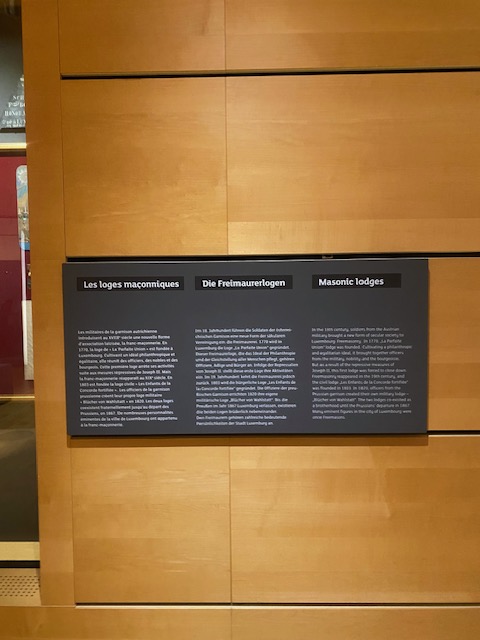


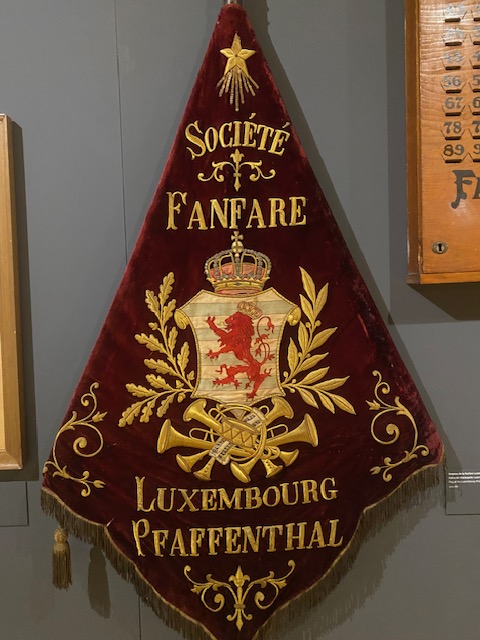
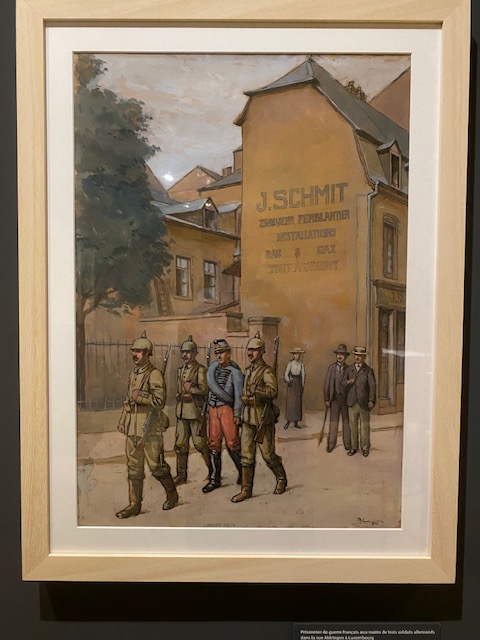
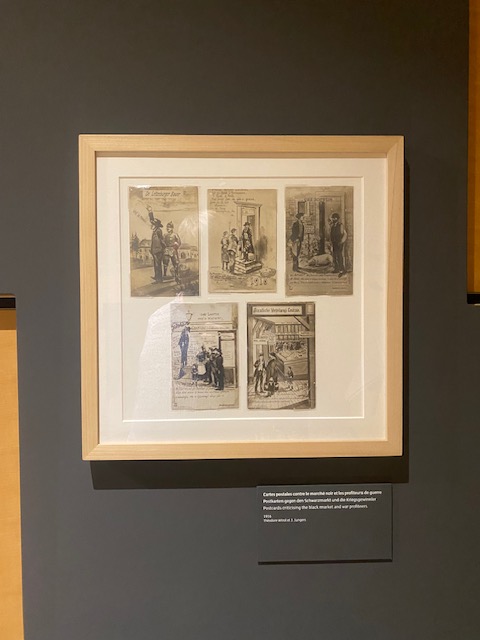
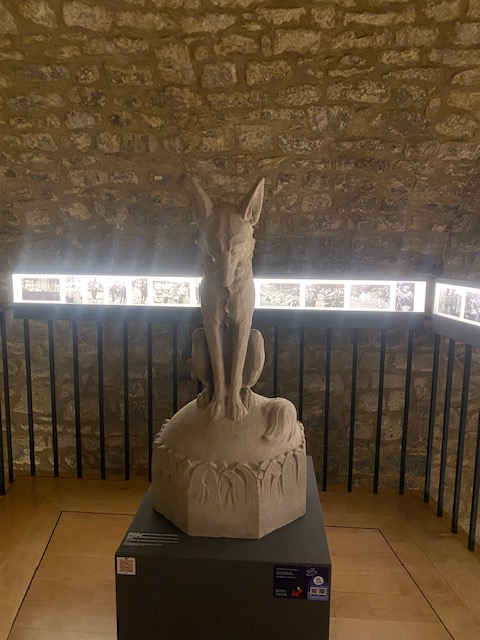
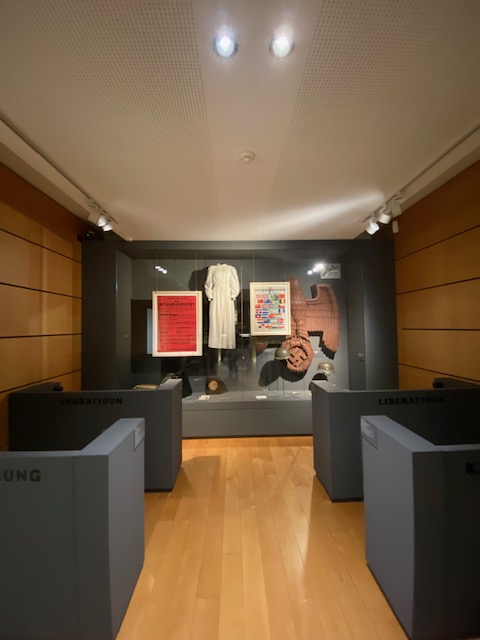
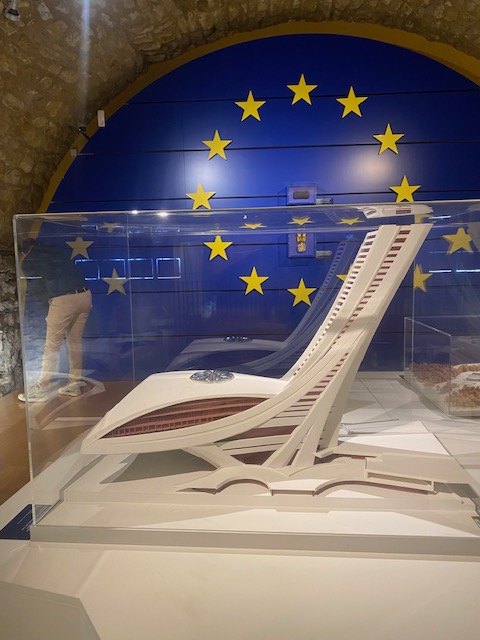
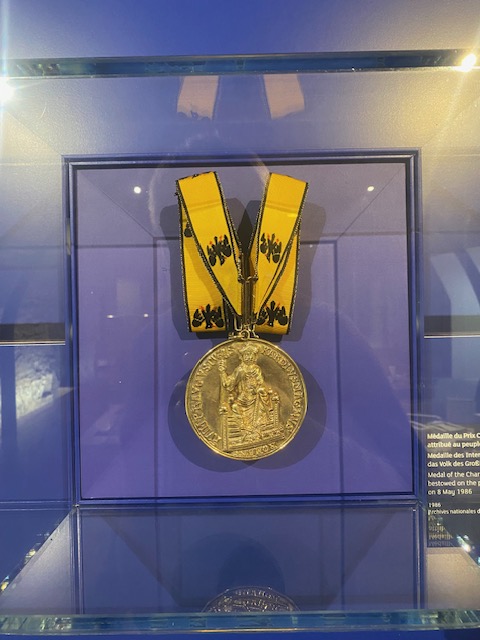
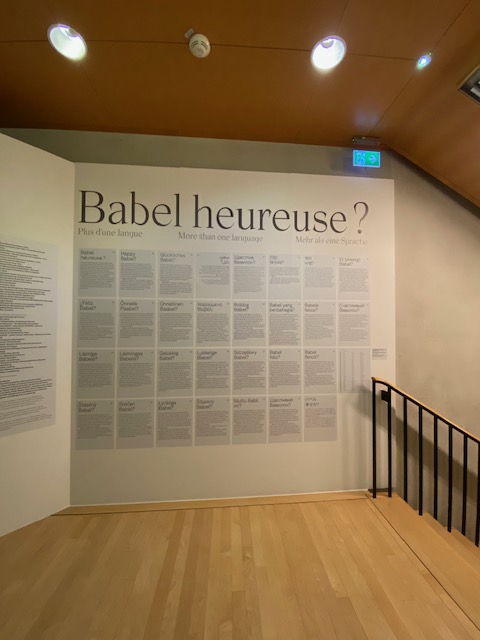
Happy Babel?
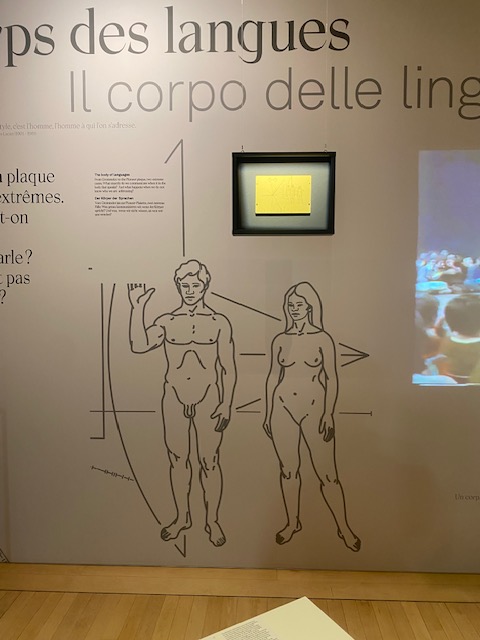
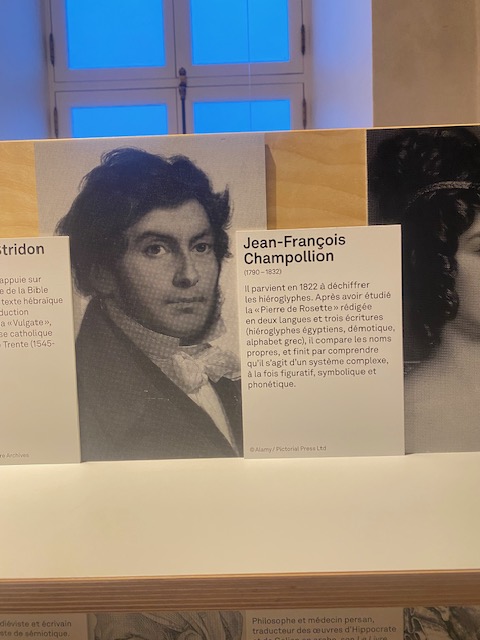
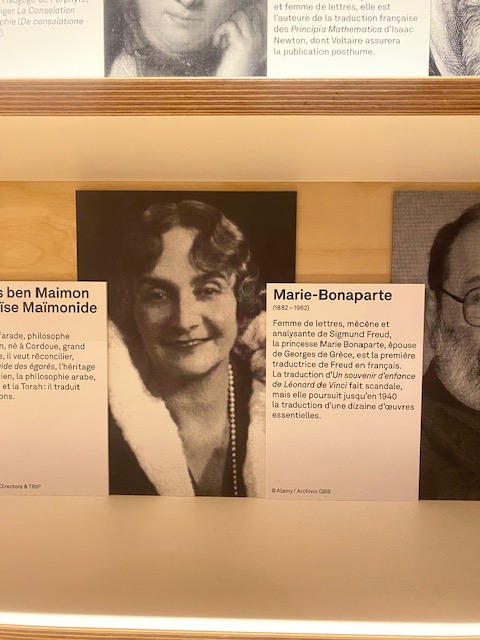
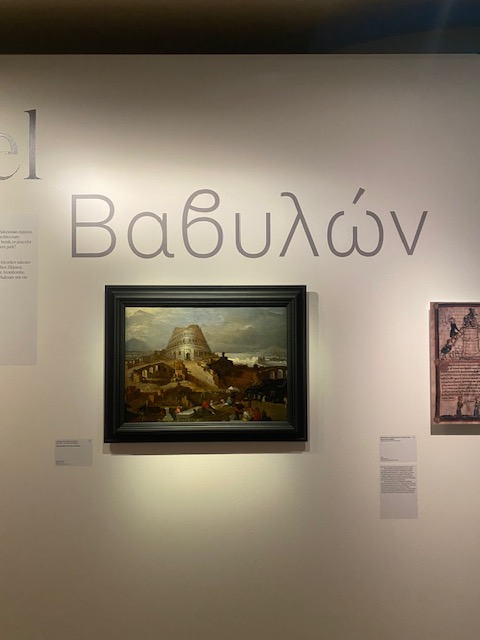
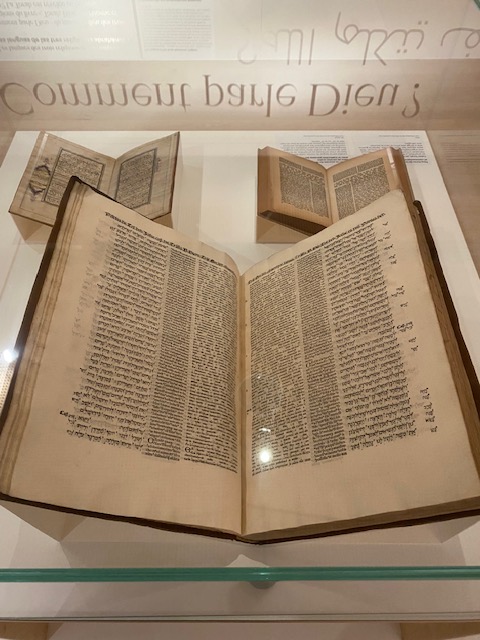
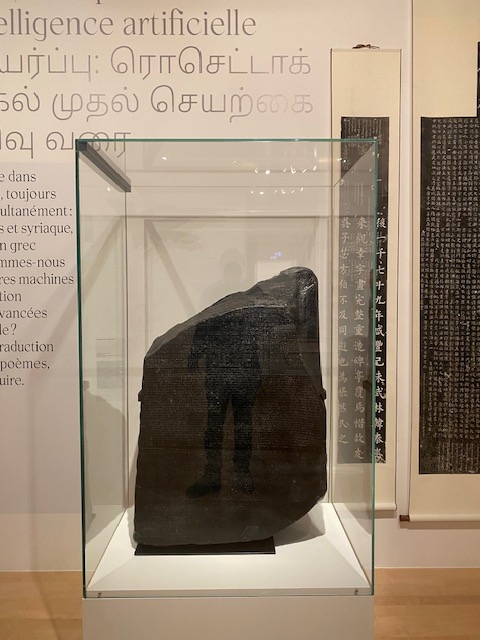
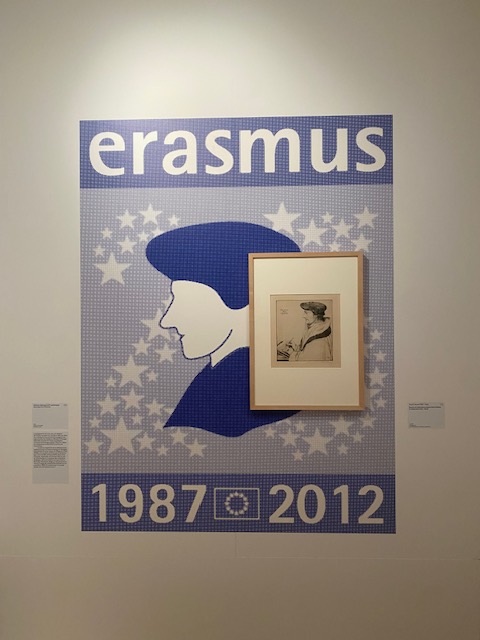
The ‘Happy Babel?‘ exhibition discusses translations and languages, starting with the Bible.
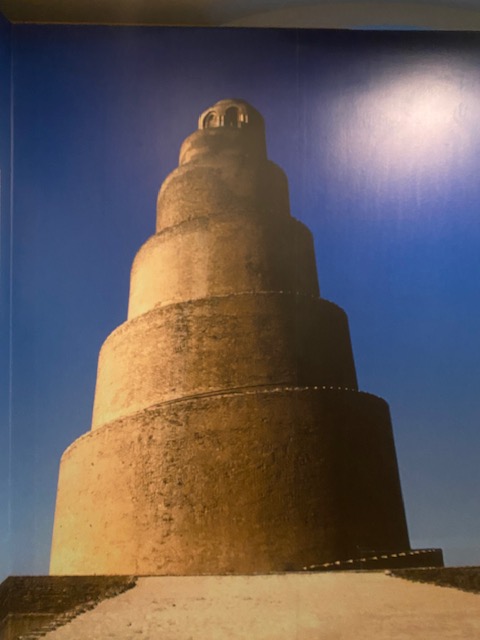
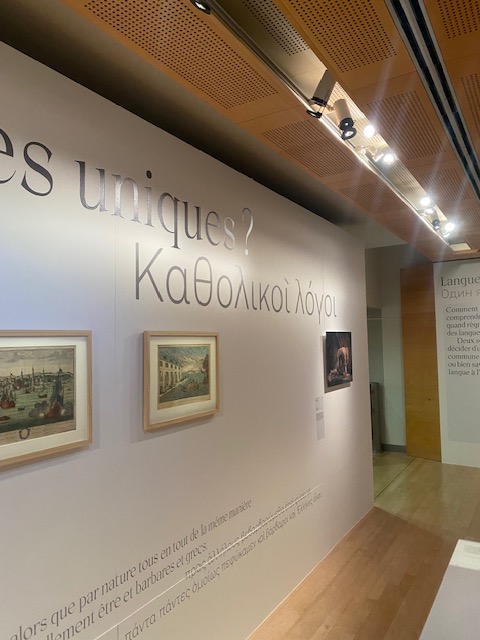
“At the heart of Europe, Luxembourg is a living laboratory of multilingualism. The diversity of languages, symbolised by the biblical episode of the Tower of Babel, is both a challenge and an asset.
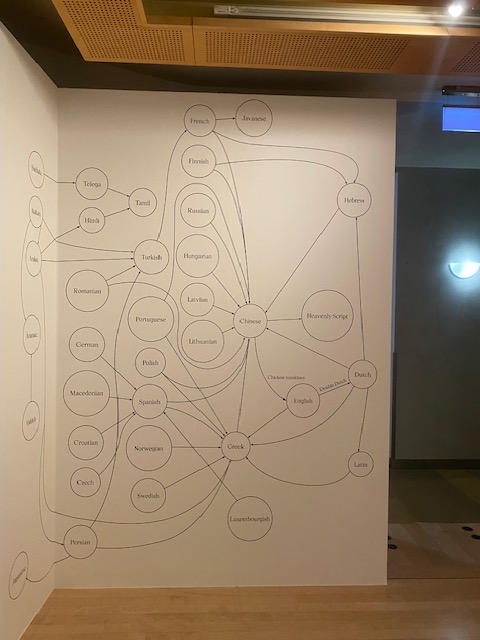
“‘Babel heureuse?‘ explores the topics of polyglossia and translation by placing them in a historical and philosophical perspective that extends far beyond Luxembourg.”
“The exhibition uses a very special constellation of masterpieces, as well as extraordinary or everyday objects and documents, to guide visitors through the various manifestations and ideas of ‘Babel’. It sheds light on the successes and pitfalls of translation, from the Rosetta Stone to artificial intelligence. It examines the conditions for a ‘happy Babel’ (Roland Barthes), through space and time, right up to the present day.”
I found this exhibition a bit confusing, to be honest.


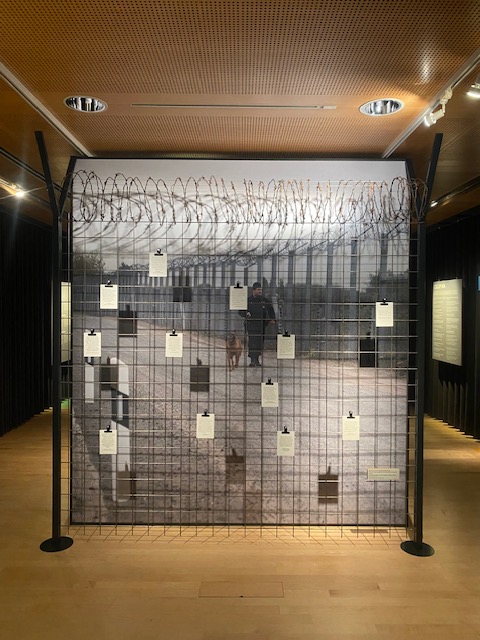
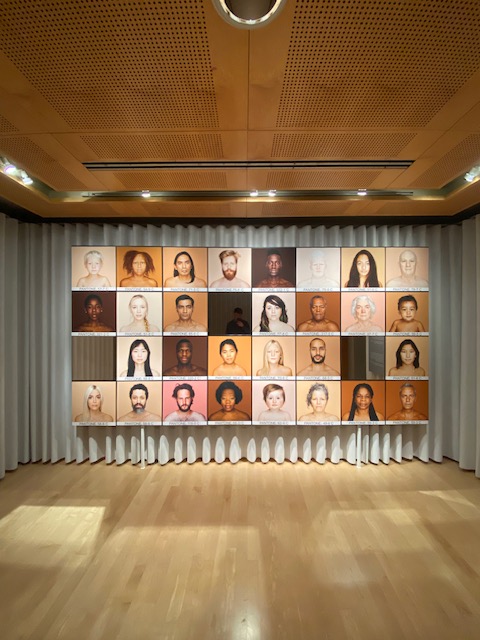
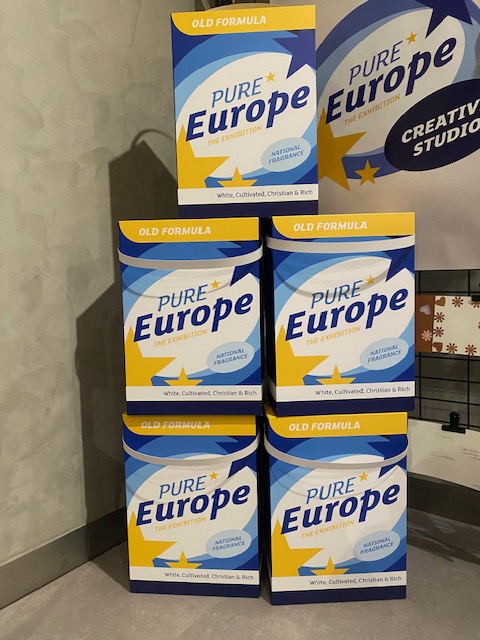
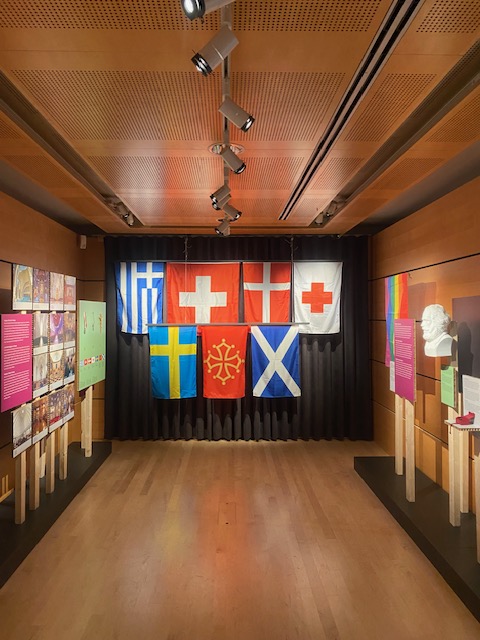
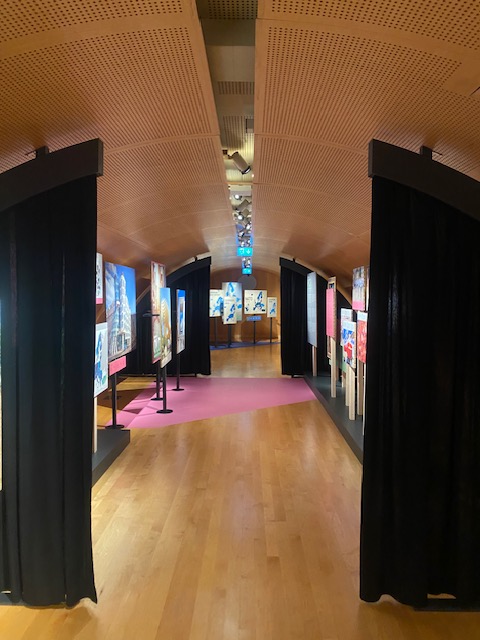
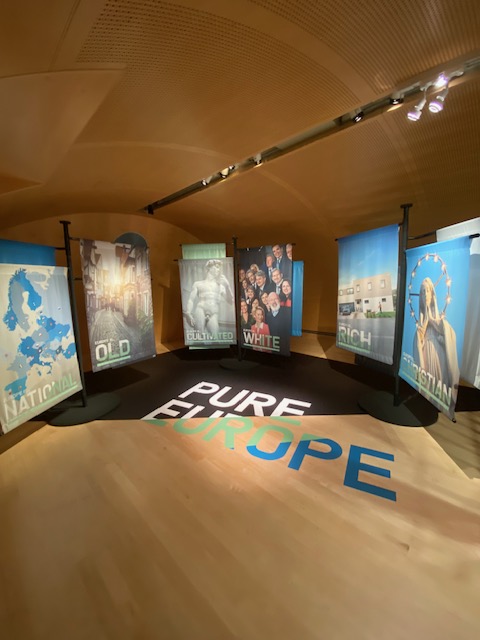
Pure Europe
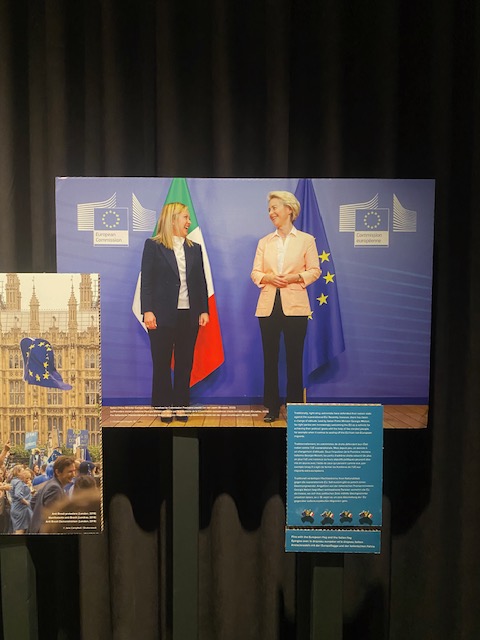
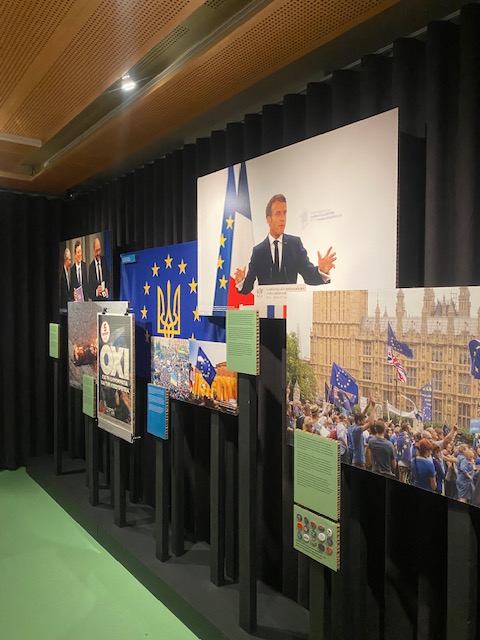
“The multiple current crises are shaking Europe to its foundations. What does Europe mean today? A political project? A common culture? A large economic area? And who exactly are ‘the Europeans’?”
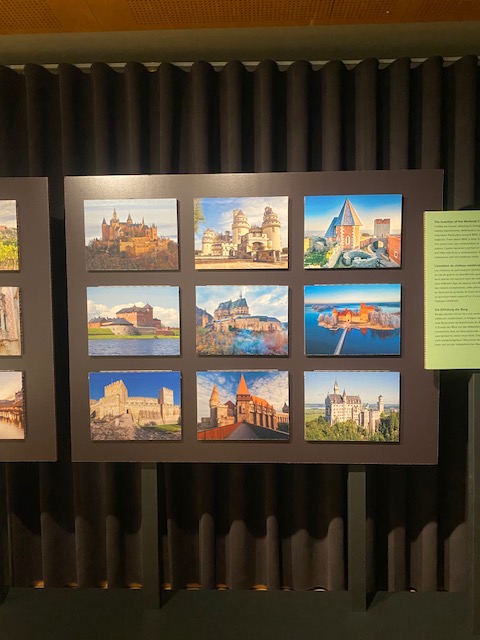
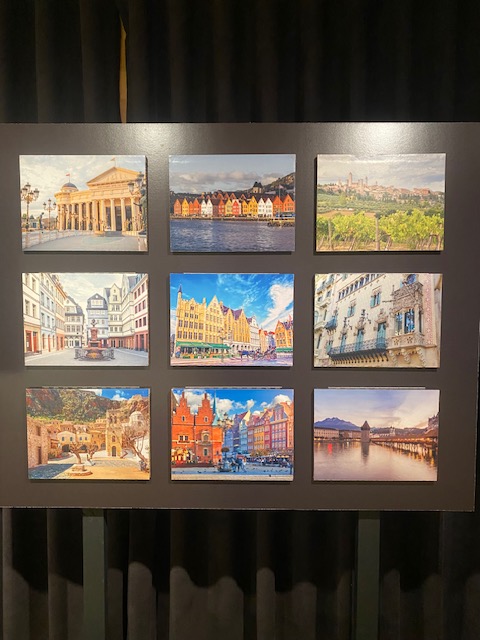
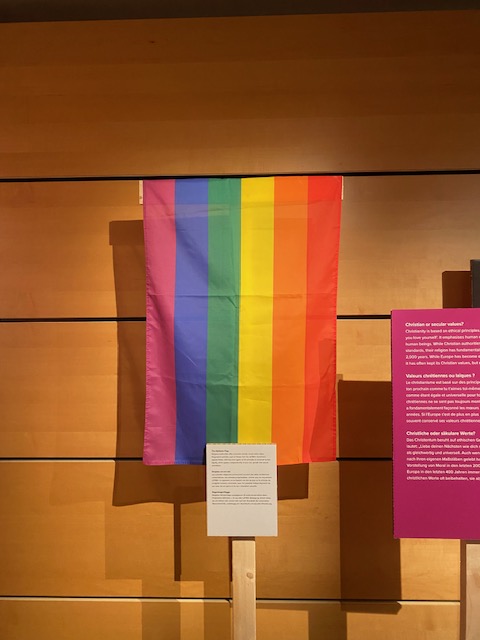
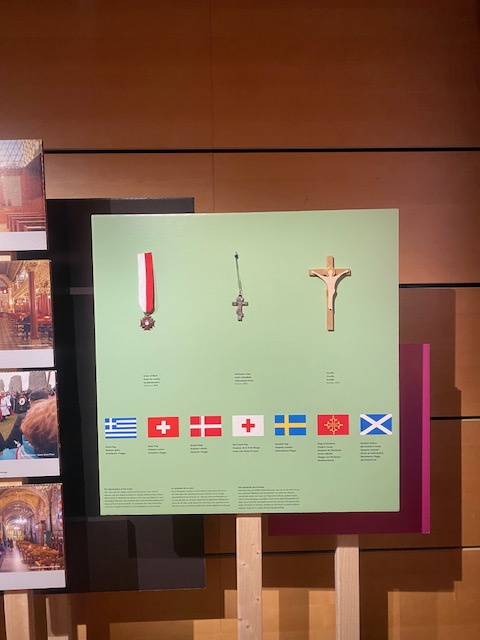
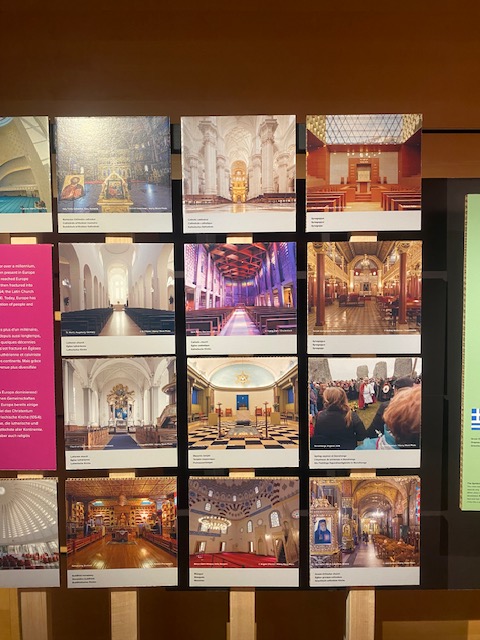
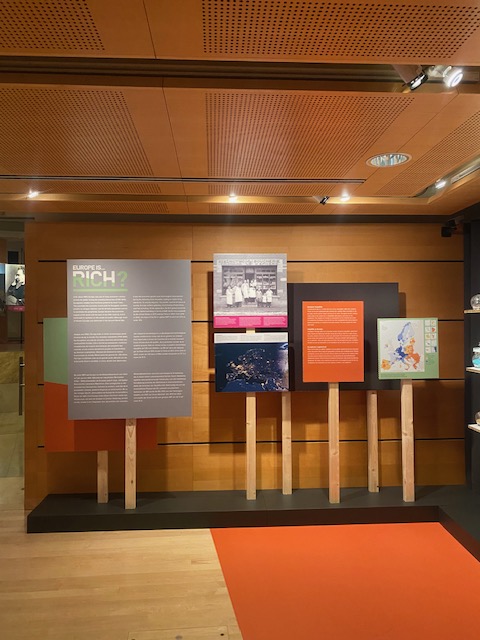
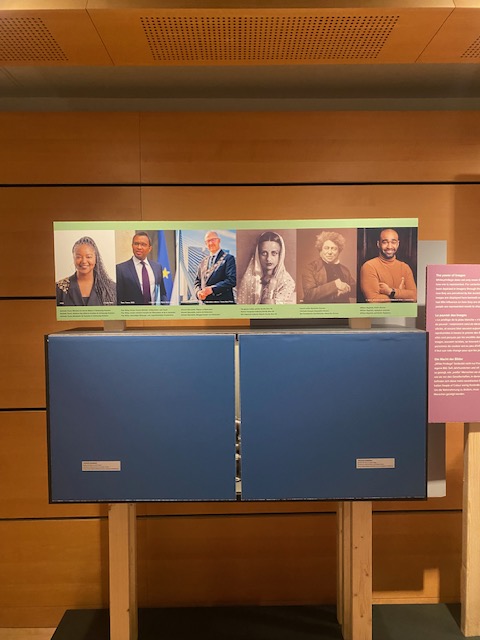
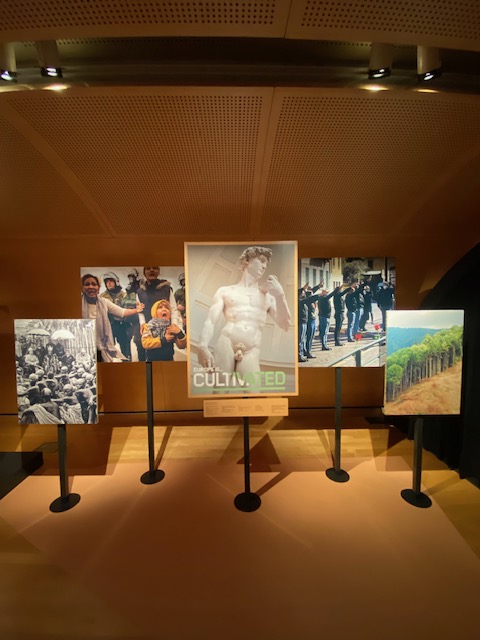
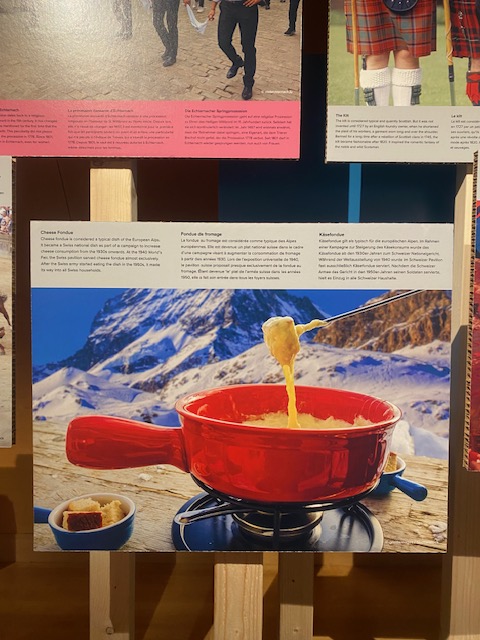
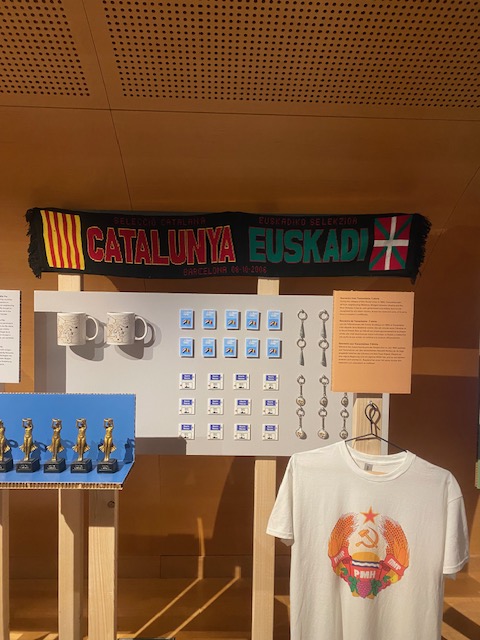
“‘Pure Europe‘ is an exhibition that leads visitors in an original way to a critical reflection on the clichés that exist about Europe: ‘national’, ‘old’, ‘Christian’, ‘rich’, ‘white’ and ‘cultivated’.”
“The exhibition confronts the idea of a ‘pure’ Europe with both historical and current aspects of its actual diversity. However, rather than offering definitive answers, the exhibition aims to provoke thought. By frequently changing perspectives, the exhibition invites visitors to confront their preconceptions and form their own opinions.”
This exhibition offers food for thought. 2024 was an agitated year with over half the world having elections. So this exhibition is very contemporary.






So?
The Lëtzebuerg City Museum is worth your time if you want to learn something about Luxembourg. We spent some 1.5 hours there.
Introducing Luxembourg City
Luxembourg City is the capital of Luxembourg and its most populous commune. In Luxembourgish, it is called Lëtzebuerg or d’Stad, while in French, it is Ville de Luxembourg, and in German, Stadt Luxemburg or Luxemburg-Stadt.
Situated in southern Luxembourg at the confluence of the Alzette and Pétrusse rivers, the city occupies a central position in Western Europe. It is located 213 km (132 miles) by road from Brussels and 209 km (130 miles) from Cologne. The city’s origins trace back to Luxembourg Castle, established by the Franks in the Early Middle Ages, which became the focal point for settlement in the area.
As of 1 September 2024, Luxembourg City has a population of 135,441, which is over three times larger than Esch-sur-Alzette, the country’s second most populous commune.
The city is highly multicultural, with 160 nationalities represented. Foreign residents account for 70.4% of the population, while native Luxembourgers make up 29.6%. The number of foreign-born residents in the city continues to rise each year.
In 2024, the International Monetary Fund ranked Luxembourg as having the highest GDP per capita globally at $140,310 (PPP). The city has developed into a major banking and administrative hub. A 2019 Mercer survey placed Luxembourg first for personal safety among 231 cities worldwide and ranked it 18th for quality of living.
Luxembourg serves as one of the de facto capitals of the European Union, alongside Brussels, Frankfurt, and Strasbourg. It hosts several key EU institutions, including the Court of Justice of the European Union, the European Investment Bank, and the European Court of Auditors.
The Council of the European Union convenes in Luxembourg City for three months annually.
History
The area of Luxembourg City has been of strategic military importance throughout its history. During the Roman era, a fortified tower guarded two intersecting Roman roads. In 963, Siegfried I of the Ardennes acquired the land and built a castle, Lucilinburhuc, on the Bock promontory. This became the nucleus of the settlement.
By the 10th century, fortifications were built, and by the 12th century, the city had expanded westward, necessitating new walls. Under John the Blind in the 14th century, Luxembourg’s defences were further strengthened.
In 1443, the city was conquered by the Burgundians, and over subsequent centuries, it was controlled by various European powers, including the Spanish, French, and Austrians. These rulers continuously reinforced Luxembourg’s defences, earning it the nickname ‘Gibraltar of the North‘.
In 1867, the Treaty of London mandated the dismantling of Luxembourg’s fortifications, signalling the end of its military significance. When Grand Duke William III died in 1890, Luxembourg became fully independent under Grand Duke Adolphe. During the 20th century, Luxembourg was occupied by Germany during both World Wars.
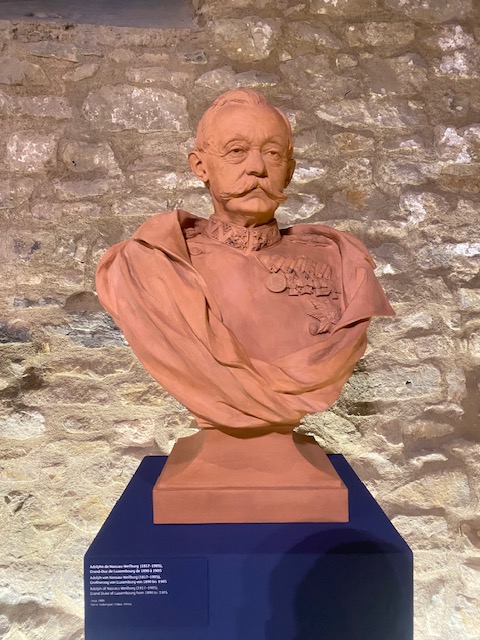
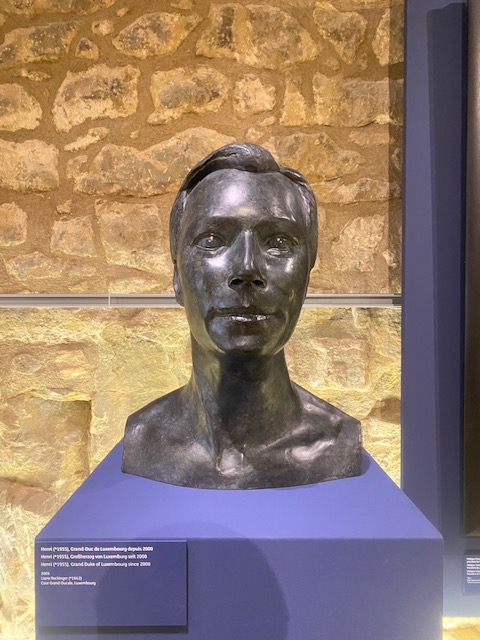
After the World War II, Luxembourg embraced international cooperation, becoming a founding member of numerous global and European organisations.
Geography
Luxembourg City lies on the Luxembourg Plateau, a sandstone formation in the Gutland region. The city centre is perched on cliffs overlooking the Alzette and Pétrusse river valleys, with deep gorges spanned by bridges such as the Adolphe Bridge and the Passerelle. Covering 51 km² (20 sq miles), the city features parks, forests, and UNESCO-listed heritage sites, contributing to its relatively low population density of 1,700 people per km².
Climate
The city has an oceanic climate, characterised by moderate rainfall, cool winters, and warm summers. Cloud cover is common throughout the year.
Government
The city’s governance is managed by a communal council of 27 members, with elections held every six years. The mayor leads the council, with Lydie Polfer of the Democratic Party currently holding the position. Luxembourg is the only city in the country allowed six aldermen due to its special status.
Culture and attractions
Luxembourg City boasts numerous museums, including the National Museum of History and Art and the Mudam (Grand Duke Jean Museum of Modern Art). It was named a European Capital of Culture twice, in 1995 and 2007. The city’s Old Quarters and Fortifications are UNESCO World Heritage Sites, and it is home to several Michelin-starred restaurants.
Transport
Public transport in Luxembourg has been free since 2020, encompassing buses, trams, and trains. The city is served by Luxembourg Airport, which is a hub for Luxair and Cargolux. A tram line connects key areas, with extensions to the airport expected by 2025.
Sports and events
The city hosts events like the ING Europe Marathon and the Luxembourg Open tennis tournament. The Stade de Luxembourg is the national stadium, accommodating football and rugby matches, as well as concerts.
Luxembourg City remains a key centre of European and global significance, combining a rich history with a modern, international outlook.
 Trip By Trip
Thanks for the memories love Luxembourg been there since 1990!
LikeLiked by 1 person
That’s a while 😉
LikeLiked by 1 person
Not really that was the first time then it has been zillions even staying there !
LikeLiked by 1 person
💙
LikeLiked by 1 person
🩵🤍❤️
LikeLike