
Austria’s capital Vienna (Wien) has been selected by host broadcaster Österreichischer Rundfunk (ORF) and the European Broadcasting Union (EBU) to host the 70th Eurovision Song Contest in May 2026.
The Austrian capital has been named as the host city of the Eurovision Song Contest 2026. “A historical hub for the arts, this will be the third time that Vienna has played host to the Contest, after taking on the honour in both 1967 and 2015, following Austria’s first two Eurovision victories”, the EBU says on its website.
The Grand Final of the 70th Eurovision Song Contest will be held on Saturday 16 May at the Wiener Stadthalle, Austria’s largest indoor arena, with Semi-Finals earlier the same week on Tuesday 12 May and Thursday 14 May.
Vienna becomes tied in 4th place with Copenhagen, Malmö and Stockholm in the rankings of cities which have taken on Eurovision Host City duties the most times. Only Dublin, London and Luxembourg City have hosted more ESCs.
Austrian broadcaster ORF will stage next year’s competition following JJ’s win in Basel on 17 May with ‘Wasted Love‘, giving his country its third Eurovision Song Contest win.
Vienna hosted the first Contest to be held in Austria in 1967 following Udo Jürgens’ win with ‘Merci Chérie‘ in 1966. It also hosted the 60th Eurovision Song Contest in 2015, following Conchita Wurst’s victory in 2014 with ‘Rise Like A Phoenix‘, and will now host the 70th edition in 2026.








Why Vienna?
Austria’s capital was chosen to welcome delegations from participating public broadcasters following a competitive city bid process that examined facilities at the venue, local infrastructure and the ability to accommodate thousands of visiting delegations, crew, fans and journalists from around the world, amongst other criteria.
Any fans coming to the city can look forward to a one-of-a-kind cultural experience. Vienna is famed for its world-class music scene, a wealth of museums and art institutions, and a thriving culinary and coffeehouse culture.
And there’ll be plenty of activities tailored towards Eurovision fans, too, with a whole week of events planned to take place around the ESC in Vienna.
EuroClub
The City Hall will be the location of EuroClub; the traditional nightlife spot of any host city, where delegations, fans and party-goers can find DJs playing Eurovision music all night long, all week long.
Vienna’s City Hall will also serve as the venue for the official Opening Ceremony on Sunday 10 May.
Just outside the majestic building is City Hall Square, which will play host to the Eurovision Village for 2026. The sprawling square will also act as an open-air screening zone, just as it did when the Austrian capital last hosted the ESC, in 2015.
Martin Green CBE, Director of the Eurovision Song Contest said: “The EBU is thrilled that Vienna has been selected as the host city for the Eurovision Song Contest 2026. Vienna’s reputation as one of the most musical cities in the world, and its location in the heart of Europe, makes it the perfect Host City for the 70th Eurovision Song Contest.”
“The city’s exceptional Stadthalle was a great venue for the 60th Contest in 2015 and we’re very much looking forward to welcoming delegations, artists and fans alike back there next May as the world’s largest live music event celebrates 70 glorious years of being ‘United by Music‘. Together with host broadcaster ORF and the city of Vienna we will create a spectacular celebration of music that will reverberate across the world.”
Roland Weißmann, Director General of ORF added: “After thorough examination and based on a unanimous jury assessment, ORF concluded that Vienna’s offer is not only the most attractive in terms of infrastructure and logistics but also economically. The contest is a celebration for all of Austria, which we will all be proud of.”
Vienna’s Mayor Michael Ludwig is excited to welcome the world to the Austrian capital in 2026: “In Vienna, we can be proud that our city has been selected by the EBU and ORF as the most suitable host city for one of the world’s largest events.”
“We submitted a convincing overall package with enormous accommodation capacities, excellent infrastructure, and a lot of experience in hosting international events. Additionally, we placed great emphasis on offering numerous Eurovision Song Contest events in public spaces that can be visited free of charge.”
“As the Mayor of Vienna, it is very important to me that cultural events are accessible to everyone, regardless of the size of their wallet. As the Mayor of Vienna, I am, of course, pleased that Vienna was able to prevail and that Austria can represent itself again next year. We will have a great May together; I am convinced of that.”
Vienna Tourism Director Norbert Kettner added: “Vienna and the Eurovision Song Contest are a perfect match: the cosmopolitan capital of music and the world’s largest music show. Vienna and Europe will be ‘United by Music’ again in 2026. We look forward to the proven partnership with ORF and EBU and are working with great energy to build on the great success of 2015 next year. Vienna offers ideal conditions for this: over 80,000 hotel beds, excellent connections by plane and train, and a proven event infrastructure. This gives ORF the freedom to focus entirely on what matters – an unforgettable show.”
The full list of participating broadcasters, and news on how to buy tickets for 9 different shows will be released later this year. Further details about the Live Shows and accompanying events will also be revealed in the coming weeks and months.








So ‘United by Music’?
“There has been a lot of commotion about Israel‘s participation for two years. Earlier this summer, a decision on Israel’s participation in 2026 was postponed”, Songfestival.be notes.
Several countries, including Belgium, have not decided weather to participate or nit, if Israel sends a candidate. For 2026, the francophone RTBF will send a delegate.
Vienna?
Viennais the capital and largest city of Austria as well as one of its nine federal states. It lies at the eastern edge of the Alps, straddling the Danube and serving as a historic crossroads of Central Europe.
The city covers just under 415 square kilometres and today has a population of just over two million within its municipal boundaries, more than 2.2 million in the urban zone, and close to 2.9 million in the wider metropolitan region. With a population density exceeding 5,000 persons per square kilometre, Vienna combines an urban vibrancy with abundant open and green spaces.
Vienna’s history stretches back to the Roman period, when the military camp of Vindobona was established in the first century. It gained the status of municipium in 212 CE, later falling under the influence of Lombards, Avars and Slavs before being integrated into the realm of the Babenberg dynasty.
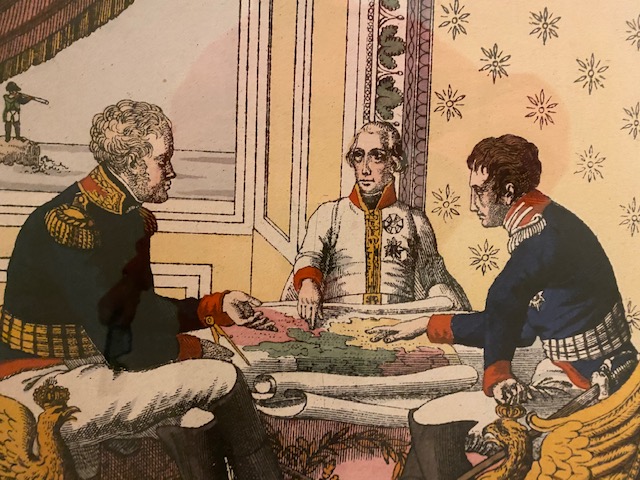
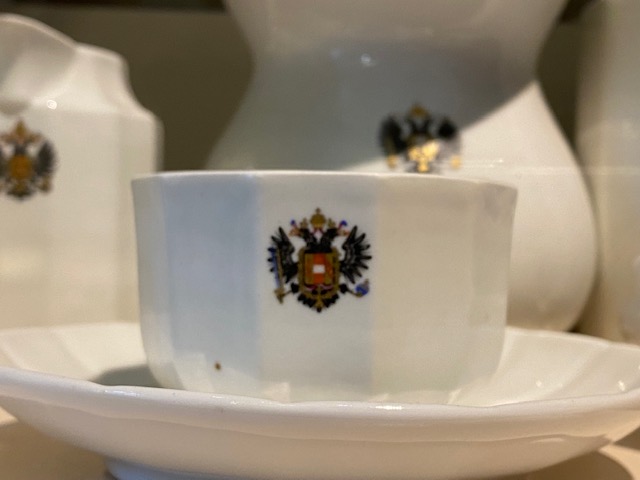
In 1155 Vienna became their ducal residence, and by 1221 it had earned full city rights. Its fortunes rose dramatically in the late Middle Ages when it became the seat of the Habsburgs, first as rulers of Austria, then of the Holy Roman Empire of the German Nation, and eventually of Austria and Austria-Hungary. This imperial legacy has left an indelible mark on its cityscape.
The 19th century was a transformative period. Emperor Franz Joseph I ordered the demolition of the city’s medieval walls, replacing them with the monumental boulevard known as the Ringstraße.
Along this ring rose the great cultural and political institutions of the age, including the Parliament, the Opera, the Burgtheater and a wealth of museums and palaces.
By 1910 Vienna had grown to more than two million inhabitants, then the third-largest city in Europe after London and Paris. Its population declined in the aftermath of World War I, with the break-up of the Austro-Hungarian Empire, but has once again surpassed the two-million mark in the 21st century.
Vienna endured considerable challenges across its history. It was twice besieged by the Ottomans, in 1529 and 1683, but both attempts were repelled. The Great Plague of 1679 claimed tens of thousands of lives, nearly a third of its then population.
The city was also scarred by World War II, when Nazi persecution destroyed much of its Jewish community and Allied bombing damaged key landmarks, including the State Opera. After the war Vienna was divided into four sectors by the Allied powers until the Austrian State Treaty of 1955 restored the country’s independence and the city’s full sovereignty.
In cultural terms, Vienna has long stood at the heart of European creativity and intellectual life. It is celebrated as the capital of music, home to Wolfgang Amadeus Mozart, Ludwig van Beethoven, Joseph Haydn, Franz Schubert, Johannes Brahms, Gustav Mahler and the Strauss dynasty, as well as the birthplace of the Second Viennese School of Schoenberg, Berg and Webern.
The Secession movement shaped the city’s art and architecture at the turn of the 20th century, while figures such as Sigmund Freud made it a centre of psychological and philosophical innovation. Vienna’s coffee-house culture remains iconic, inscribed as part of humanity’s intangible heritage.
The historic centre, with its Baroque palaces, Gothic cathedral and Neo-Classical ensembles, has been recognised as a UNESCO World Heritage Site. Vienna is also notable for its social housing tradition, pioneered during the interwar years of so-called Red Vienna, which saw the construction of vast municipal apartment complexes that provided a model for urban planning across Europe.
Today, Vienna is both Austria’s political centre and its economic powerhouse. It generates a quarter of the national GDP, with a high per-capita output and strong employment in services, research and high technology. It is a hub for international organisations, hosting the United Nations, OPEC and the OSCE among others. Vienna is also one of the world’s leading conference cities, with large-scale venues attracting global gatherings.
Tourism plays a major role in the city’s life, with more than 17 million overnight stays annually.
Visitors are drawn to its imperial palaces, world-class museums, music institutions and lively cultural traditions. Transport infrastructure is modern and efficient, with an expanding underground network, extensive tram lines, growing cycle paths and Vienna International Airport serving nearly 30 million passengers a year. The city also prides itself on its greenery: almost half of its territory is made up of parks, woodlands, vineyards and the forested Vienna Woods.
Consistently ranked among the most liveable cities in the world, Vienna combines a rich imperial heritage with a dynamic present. Its history is one of survival and renewal, its culture a blend of refinement and innovation, and its role in Europe both historic and forward-looking. Few cities embody so fully the interplay of past grandeur and contemporary vitality.
What is there to do and see in Vienna?
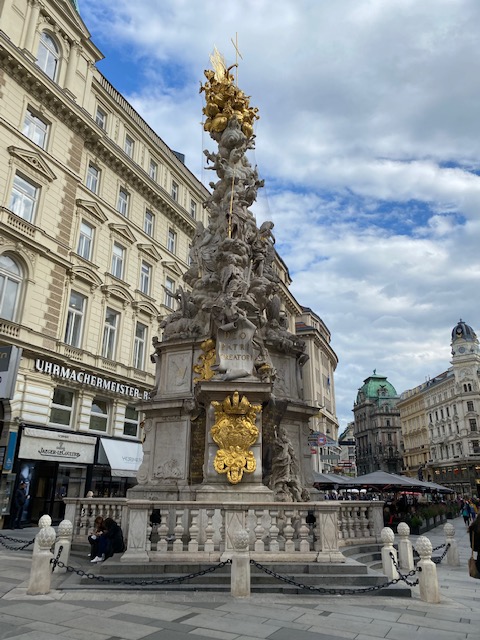
Vienna offers an abundance of things to see and do, blending imperial splendour with a vibrant cultural life and the comforts of a modern capital. At its heart stands the historic centre, where the Gothic spire of St. Stephen’s Cathedral rises above a maze of narrow streets and elegant squares.
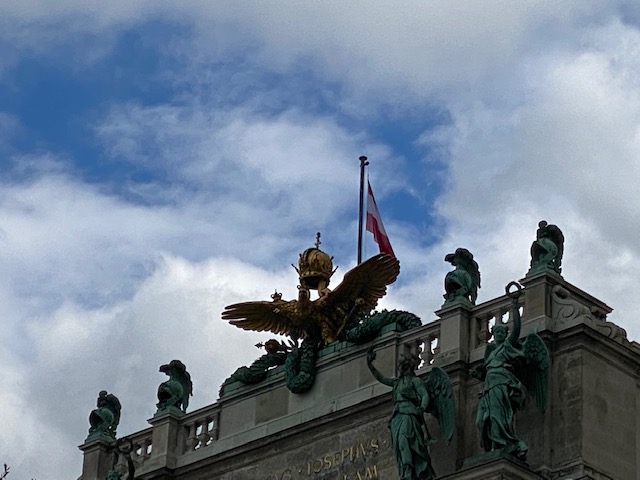
Nearby, the Hofburg Palace complex reflects centuries of Habsburg rule, housing the Imperial Apartments, the Sisi Museum and the Spanish Riding School, where the white Lipizzaner horses perform their celebrated dressage. From here the grand Ringstraße unfurls, a boulevard lined with monumental buildings such as the State Opera, the Parliament, the Burgtheater and the twin museums of art and natural history.
The city’s imperial legacy continues at Schönbrunn, the former summer residence of the Habsburgs, where gilded staterooms, vast gardens and the world’s oldest zoo evoke Vienna’s grandeur at its height.
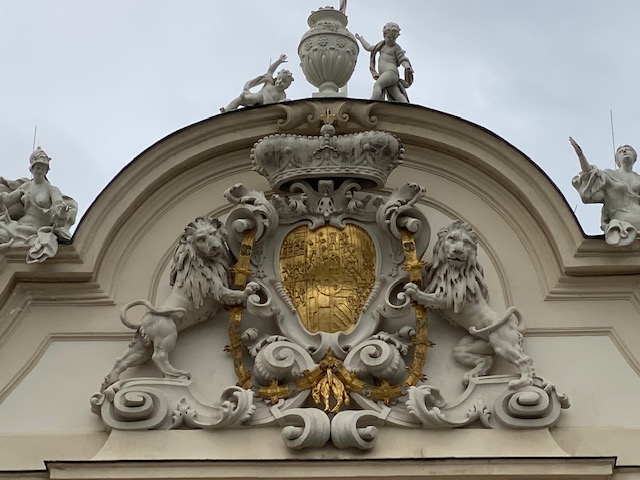
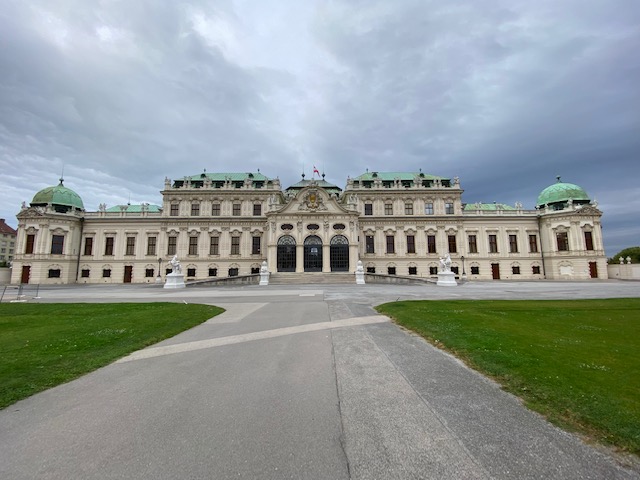
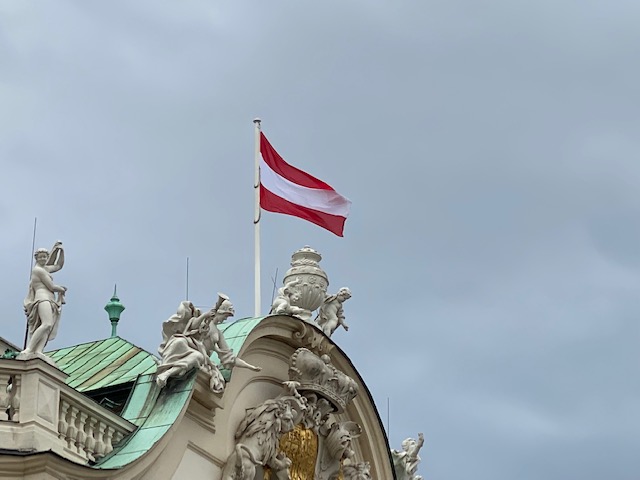
Belvedere Palace, set within baroque gardens, now serves as a museum showcasing Austrian art through the centuries, including Gustav Klimt’s iconic ‘The Kiss‘. The Upper Belvedere is complemented by the Lower Belvedere and the surrounding landscaped grounds, which are particularly beautiful in spring and summer.
Vienna’s museums are as diverse as they are distinguished. The Kunsthistorisches Museum displays masterpieces by Titian, Velázquez, Rubens and Vermeer, while the Albertina is famed for its collection of prints and drawings, including works by Dürer, Michelangelo and Picasso.
The MuseumsQuartier, one of the largest cultural complexes in the world, combines old imperial architecture with modern spaces housing institutions such as the Leopold Museum, renowned for its works by Egon Schiele, and the Museum of Modern Art.
Music pervades the city. The Vienna Philharmonic is regarded as one of the finest orchestras in the world, and concerts at the Musikverein or the Konzerthaus remain a highlight for visitors. The Vienna State Opera stages performances nearly every night of the year, and its season attracts audiences from across the globe. More informal are the waltz and operetta traditions, celebrated at festive balls and performances throughout the year.
Beyond the monumental, Vienna’s charm is equally found in its atmosphere. Its coffee houses, with marble tables and newspapers on wooden racks, have been meeting places for writers, artists and thinkers for centuries, and they remain integral to the city’s daily life. A slice of Sachertorte or Apfelstrudel enjoyed in such surroundings connects visitors to a tradition as central to Vienna as its palaces and museums.
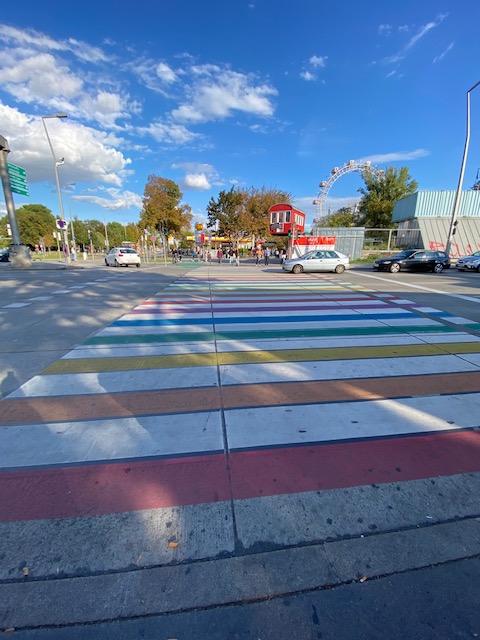
The city also offers respite in green spaces. The Prater, once an imperial hunting ground, is today a vast public park with meadows, woodland and the famous giant Ferris wheel, while the Vienna Woods on the western fringe of the city provide opportunities for walking, cycling and vineyard visits. The Danube, with its islands and riverside paths, gives the capital a refreshing openness often rare in cities of its size.
Vienna is also a city of markets and lively districts. The Naschmarkt is a bustling expanse of food stalls, restaurants and exotic produce, a vivid counterpoint to the elegance of the Ring. Neighbourhoods such as Neubau, with its galleries and independent shops, or Leopoldstadt, with its historic Jewish heritage, show a different side of Viennese life.
What makes Vienna distinctive is the way it brings together all of these elements: imperial architecture, world-class culture, intimate cafés, expansive parks and vibrant neighbourhoods.
A day might move from exploring baroque palaces to hearing a symphony in a gilded concert hall, followed by a quiet evening over coffee and cake, or perhaps a glass of local wine in a Heuriger on the edge of the vineyards. Vienna is a city that invites both exploration and lingering, offering experiences that are as rich in history as they are in the present.


Queer Vienna
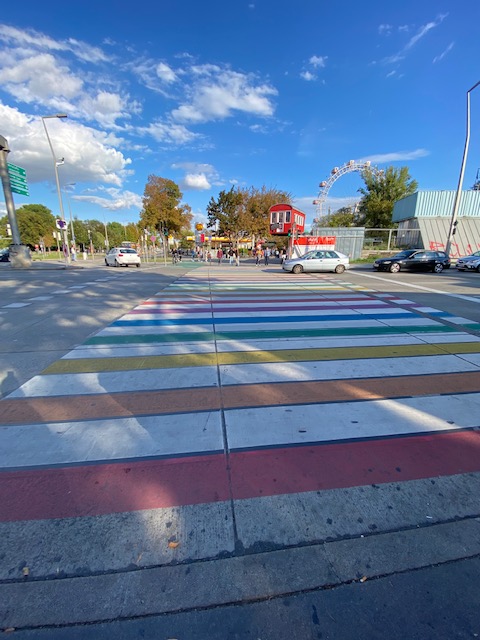
Vienna today is regarded as one of the most LGBTQIA+-friendly cities in Europe, combining Austria’s generally progressive social climate with the capital’s own tradition of openness and cultural cosmopolitanism. Same-sex relationships are legal and recognised, anti-discrimination protections are in place, and the city administration actively promotes diversity and inclusion. Public displays of affection between same-sex couples are common, and Vienna consistently ranks highly in international surveys of queer quality of life.
The city also has a vibrant and visible gay scene. Its most prominent annual event is the Vienna Pride festival, held each June and culminating in the Regenbogenparade (Rainbow Parade) along the Ringstraße. The parade attracts well over 200,000 participants and spectators, making it one of the largest LGBTQIA+ demonstrations in Central Europe. Pride week is accompanied by a programme of cultural events, parties, performances and political discussions.
For nightlife, Vienna offers a broad spectrum. There are stylish cocktail and dance venues such as Why Not, a long-standing institution near the city centre, and more club-like spaces that host themed nights throughout the week.
Kaiserbründl, housed in a 19th-century Turkish bath, is one of the most famous gay saunas in Europe, known for its ornate interiors and lively atmosphere. Other saunas and bathhouses such as Apollo City Sauna also attract an international crowd. Those looking for cruising venues will find bars like Eagle Vienna, catering to leather and fetish communities, while smaller spots cater to different niches within the queer scene.
Alongside nightlife, Vienna has a wealth of queer-friendly cafés and restaurants, particularly in districts such as Neubau and Mariahilf, which have become informal hubs for the LGBTQIA+ community.
The city is also home to queer cultural events, film screenings and exhibitions, and several advocacy organisations maintain a strong presence, offering community support and political representation.
Vienna’s gay scene is not as sprawling as that of Berlin or Madrid, but it is varied, welcoming and easy to navigate, with venues concentrated in the central districts and well connected by public transport. Visitors will find everything from elegant balls with queer participation—Vienna being the city of the waltz—to alternative parties with a more underground flavour.
In short, Vienna combines historical elegance with a contemporary queer vibrancy. It is a city where LGBTQIA+ visitors can feel safe and visible, enjoy a lively nightlife, and take part in a cultural life that fully embraces diversity.





Vienna 2021
We visited Vienna in the autumn of 2021 as part of our Rail Tour of Imperial Europe, arriving with just a day and a half to explore the Austrian capital. Despite the short time, we managed to see a great deal. With our Sisi Deluxe Ticket in hand, we explored Schönbrunn Palace and the Hofburg, taking in their Imperial Apartments and museums, before admiring the Belvedere, Karlskirche and the Soviet War Memorial.
We made sure to see the famous Ferris wheel at the Prater, and we rounded off our sightseeing with a tram ride along the Ringstraße to take in the grand façades of the boulevard.
What struck us most was how calm the city felt: transport was efficient and uncrowded, and even the major palaces were not overwhelmed with visitors.
Pandemic rules were still in force—FFP2 masks were mandatory in shops, museums and on public transport, and vaccination certificates were often checked—but once seated in restaurants such as Steirereck or inside our hotel, masks were no longer required. Compared with our experiences further east on the trip, Vienna felt lively and vibrant, yet logistically calm and easy to navigate.
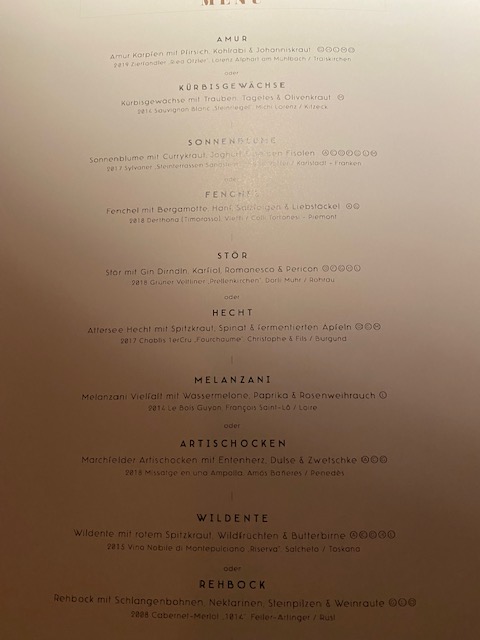
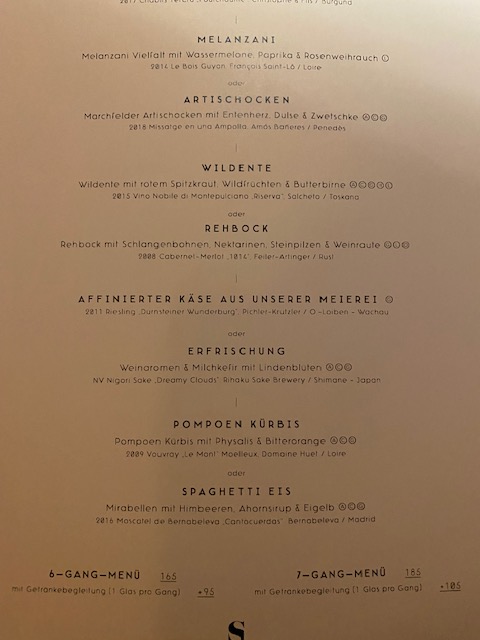
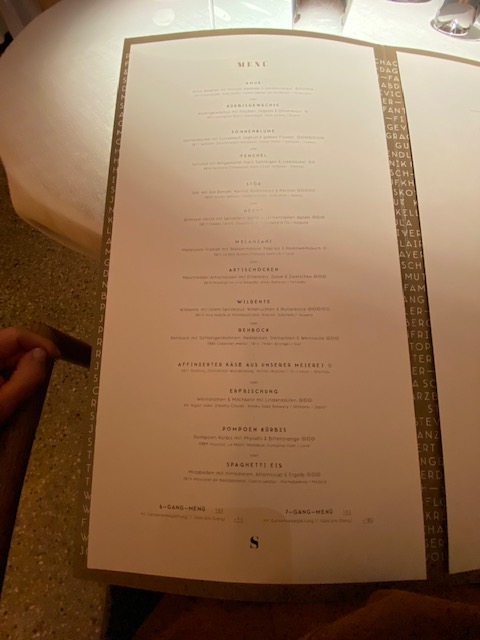
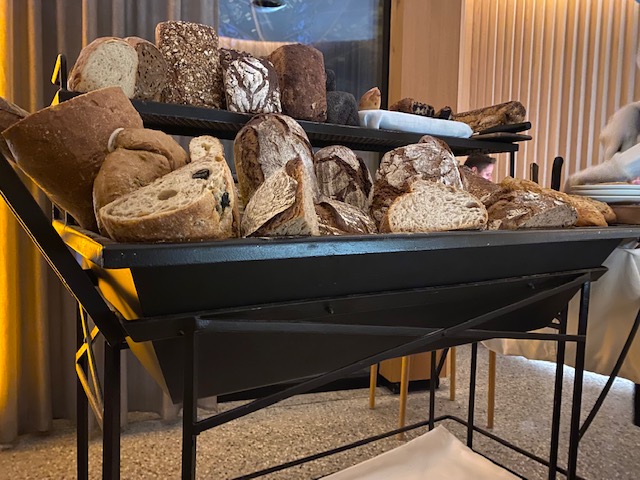
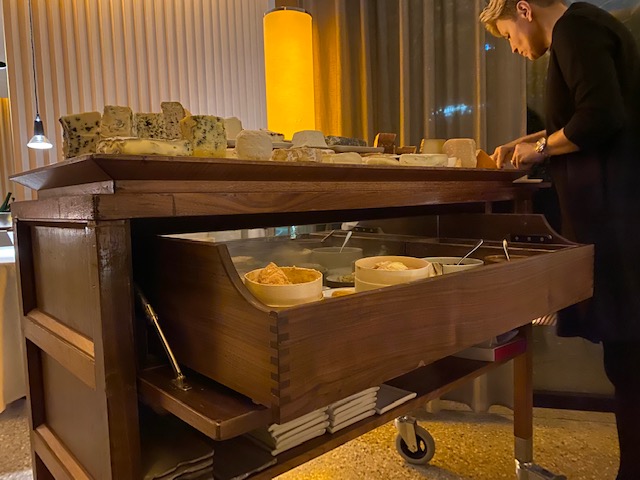
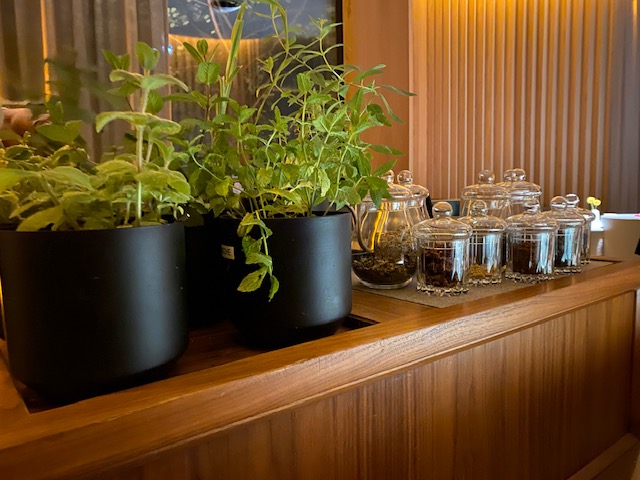
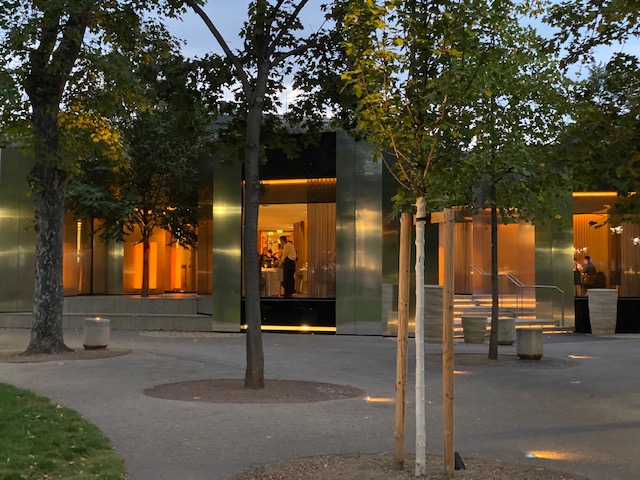
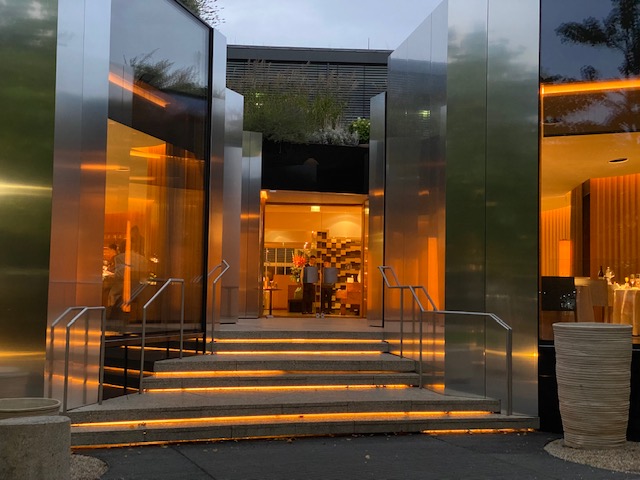
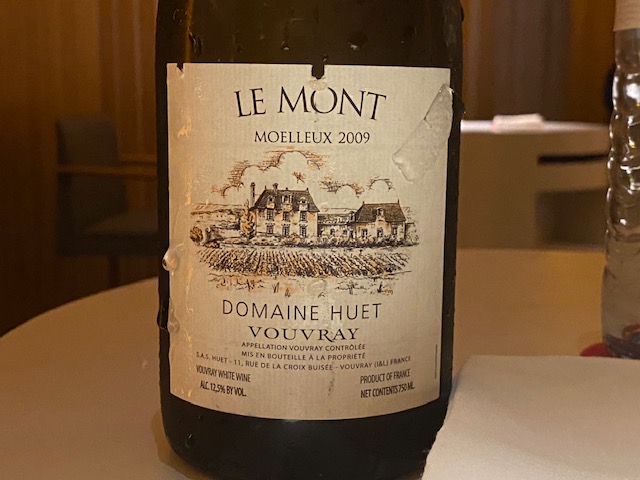
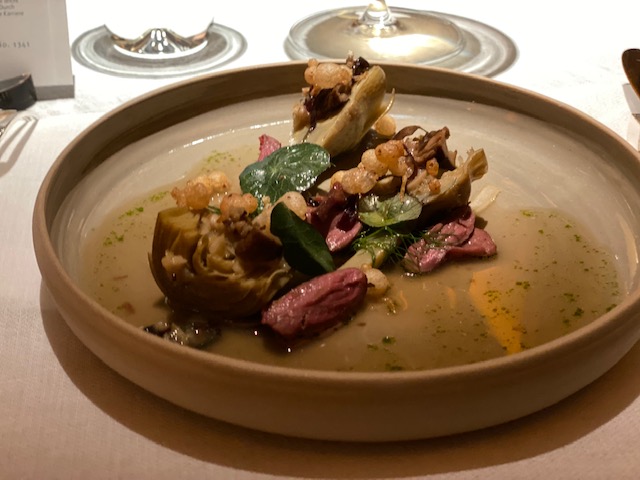
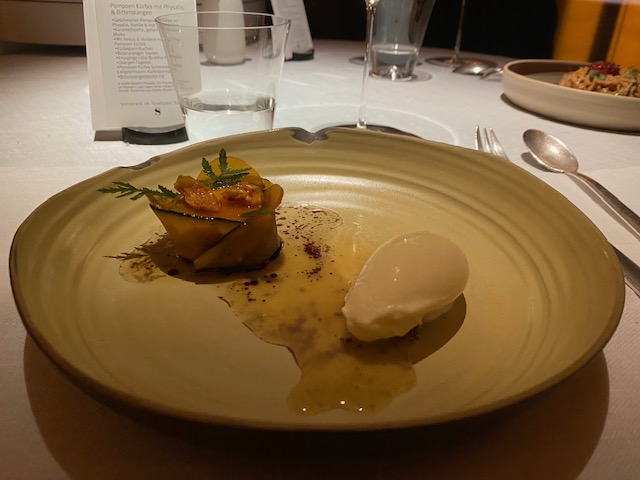
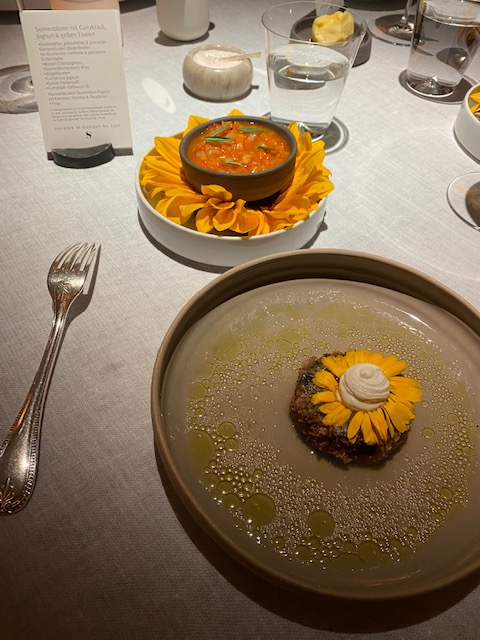
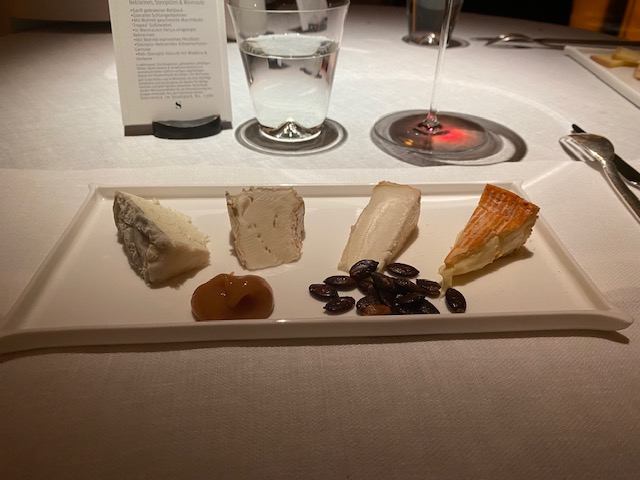
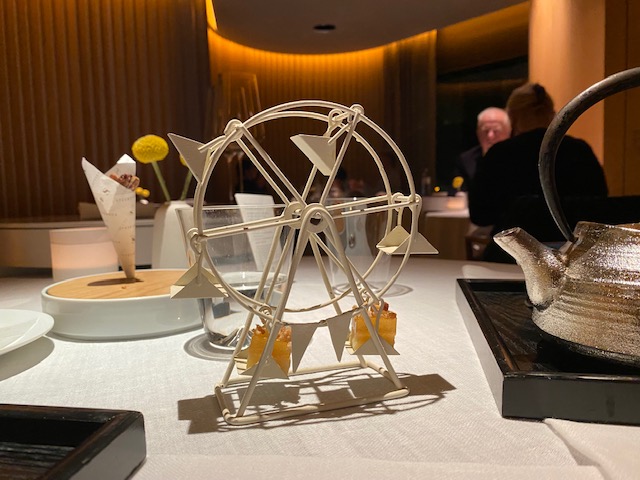
A real highlight of our stay was dinner at Steirereck in the Stadtpark. I had first visited back in 2009, and our return in 2021 proved just as memorable. Ranked among the world’s finest restaurants, Steirereck delivered a seven-course menu full of theatrical presentation and inventive dishes. We enjoyed creations such as Amur carp, sunflower with curry plant, Altersee pike, artichokes, venison, cheeses and imaginative desserts—Danny opted for spaghetti ice cream while I chose a pumpkin-inspired Pompoen. The experience was made even more special by the restaurant’s service rituals: carts rolled up for bread, cheese, tea and sparkling wine, adding ceremony and playfulness to the evening. It was a meal that managed to be both refined and entertaining.
Our visit to Schönbrunn Palace brought us face to face with the grandeur of Habsburg life. The rococo palace, with its 1,441 rooms, sweeping galleries and meticulously planned gardens, rivalled the great palaces of Versailles and Buckingham Palace.
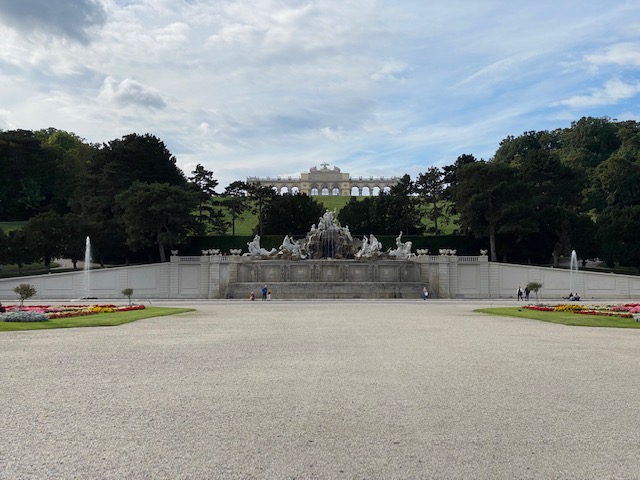
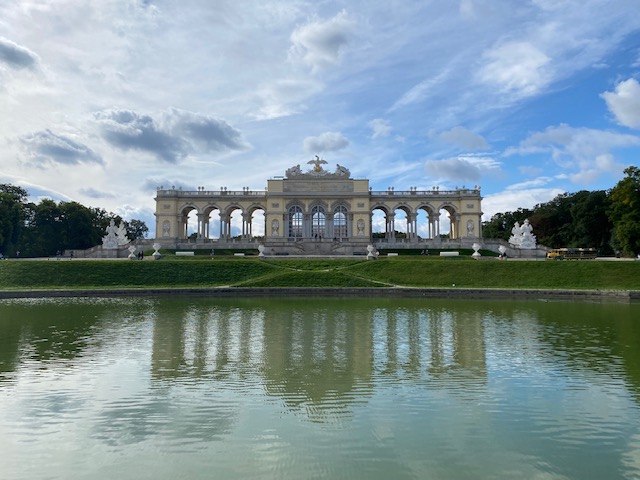
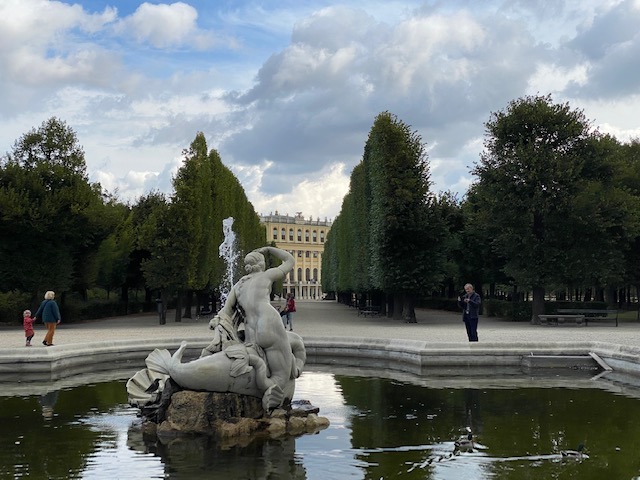
Thanks to the Sisi Deluxe Ticket, we could enjoy the full Grand Tour, which revealed rooms usually closed to the standard tours. The audioguide was informative without being overwhelming, and the gardens added further layers of beauty. We admired the Neptune Fountain, the vistas towards the Gloriette and the garden designs of Jean Trehet. Walking through the grounds gave us a sense of the luxury and scale that defined the Habsburg court.
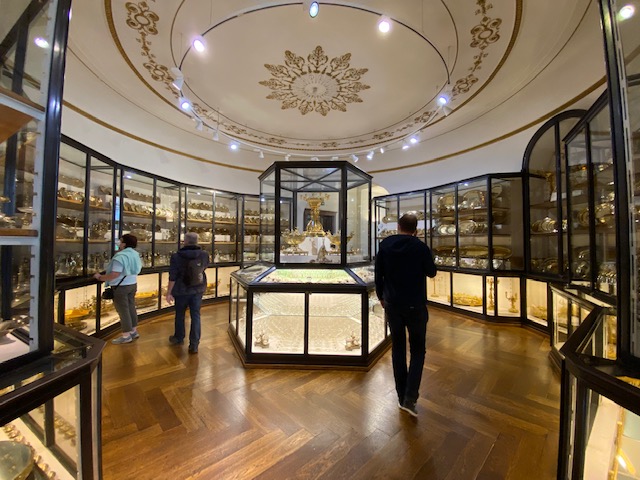
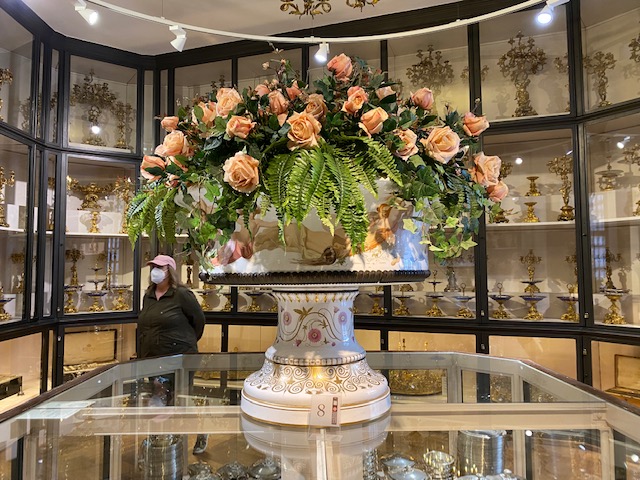
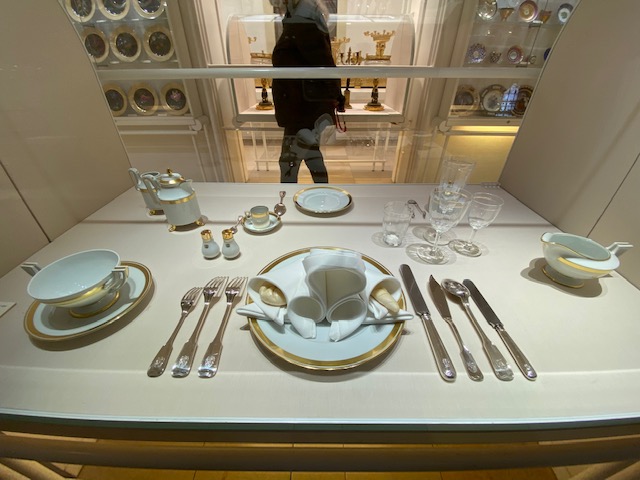
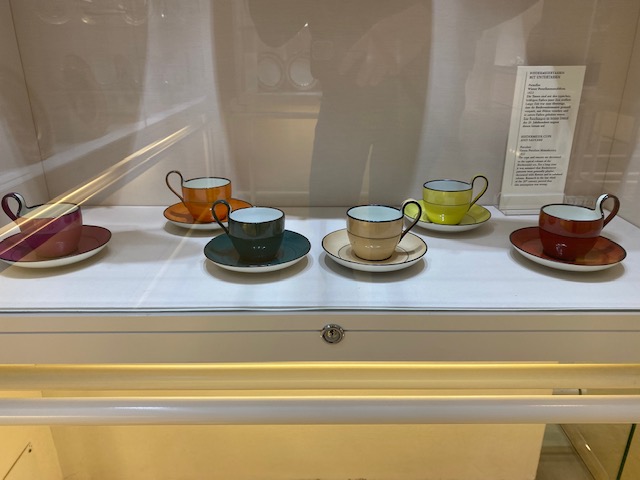
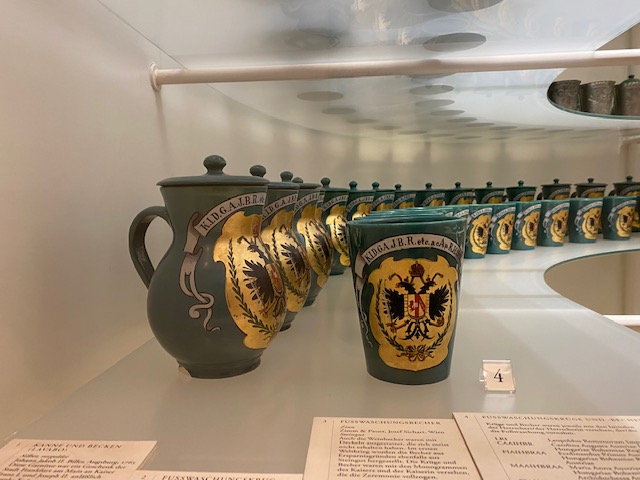
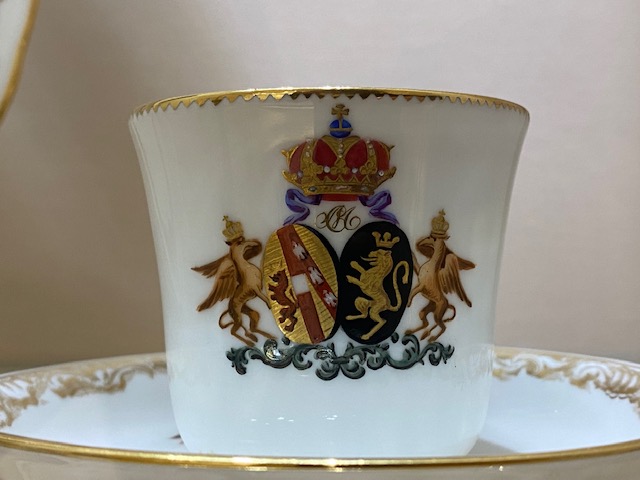
The Furniture Museum (Möbelmuseum Wien), also part of our ticket, proved to be an unexpected delight. Tucked away, it contained thousands of items from the Habsburg collections, including Biedermeier and Historicist pieces, baroque wheeled chairs, velvet-covered kneelers and even an imperial travel throne.
A special ‘Sissy’ tour highlighted furniture used in the famous ‘Sisi‘ film trilogy, while other sections explored 20th-century interiors and, unexpectedly, the history of toilet seats and bathroom design. After two heavily imperial sites, we found ourselves less focused on the audioguide, yet the museum’s combination of opulence and everyday domesticity made it both curious and charming.
Our short time in Vienna in 2021 was thus layered with experiences: from the refined pleasures of a world-class dinner to the monumental grandeur of palaces and the quirky intimacy of a furniture collection. Visiting during a quieter moment, with pandemic rules still in place, gave us the city at a different rhythm—open, elegant and accessible, with enough time to linger and enjoy the contrasts that make Vienna so distinctive.







Does Vienna suffer from overtourism nowadays?
Vienna today does not suffer from overtourism in the way some other European destinations do. Visitor numbers have rebounded strongly after the pandemic, with nearly nineteen million overnight stays recorded in 2024, but growth is being carefully managed rather than left unchecked. The city has adopted a long-term tourism strategy that emphasises quality over quantity, focusing on attracting culturally engaged and higher-spending travellers who contribute positively to local businesses and spread more evenly across the city.
Surveys of both residents and visitors suggest that tourism is still broadly welcomed. Most Viennese view it favourably, while most visitors would recommend the city, indicating that tourism has not overwhelmed daily life or alienated the local population.
Rather than imposing restrictions, Vienna has chosen to manage the flow of visitors through smart regulation and infrastructure. Short-term rentals have been brought under control to protect housing availability, oversight of street trading and souvenir sales has improved, and investment in sustainable transport helps ease congestion and reduce environmental pressures.
There are nevertheless hints of capacity concerns in some places. Major landmarks such as the Belvedere Palace are undergoing renovations designed in part to improve visitor management, and busy attractions like Schönbrunn and the Hofburg occasionally see large crowds. Yet overall, tourism is still regarded as a net positive for the city, creating value without seriously disrupting urban life.
In short, Vienna experiences high numbers of visitors, but thanks to deliberate policies and long-term planning, it has so far avoided the more severe consequences of overtourism. The city continues to strike a balance between being a world-class destination and a liveable capital for its residents.
2021 Rail Tour of Imperial Europe
- POTSDAM 2021 | Schloss Sanssouci.
- 1945 Potsdam Conference’s Cecilienhof Palace.
- Potsdam 2021.
- REVIEW | InterContinental Berlin.
- BERLIN 2021 | Pergamon, ‘Das Panorama’.
- BERLIN 2021 | Humboldt Forum in the Berlin Palace.
- BERLIN 2021 | The Bundestag in the Reichstag.
- Berlin 2021.
- By train from Berlin to Gdansk via Szczecin.
- Stopover in Szczecin.
- REVIEW | Restauracja Ritz in Gdańsk.
- REVIEW | Holiday Inn Gdansk.
- GDAŃSK | Museum of the Second World War.
- GDAŃSK | European Solidarity Centre or Europejskie Centrum Solidarności.
- A walk through Gdańsk.
- Gdańsk 2021.
- POLAND | PKP Intercity Gdansk to Wroclaw via Warsaw.
- Wrocław Museum of Architecture.
- The Dwarfs of Wrocław.
- Wrocław.
- Poland 2021.
- By train from Wroclaw to Karlovy Vary.
- Karlovy Vary.
- REVIEW | Hotel Imperial Karlovy Vary.
- Czechia’s Great Spa Town of Europe Františkovy Lázně.
- CZECHIA | Pilsen Historical Underground Tunnels.
- CZECHIA | Pilsner Urquell Brewery Tour.
- CZECHIA | Pilsen.
- CZECHIA 2021 | Cheb and its castle.
- Hotel room for one.
- By train from Karlovy Vary to Prague via Pilsen.
- Czechia 2021.
- RegioJet from Prague to Bratislava.
- Bratislava Castle.
- REVIEW | Crowne Plaza Bratislava.
- Bratislava on a rainy Monday.
- ZSSK Fast Train Tatran from Bratislava to Strba.
- The Tatra rack and electric Railway from Strba via Strbske Pleso to Poprad tatry.
- SLOVAKIA | AquaCity Poprad.
- REVIEW | Hotel Seasons AquaCity Poprad.
- Slovakia 2021.
- Poprad – Bratislava – Vienna with ZSSK’s intercity train.
- VIENNA | Restaurant Steirereck.
- REVIEW | InterContinental Wien.
- VIENNA | Luxury Sisi’s in Schönbrunn Palace.
- The Hofburg in Vienna.
- Vienna’s Furniture Museum.
- Vienna 2021.
- Pöstlingberg & Grottenbahn in Linz.
- REVIEW | Motel One Linz.
- Linz.
- AUSTRIA | ÖBB RailJet from Linz to Salzburg.
- BAVARIA | Lokwelt – Locomotive World in Freilassing.
- REVIEW | Hotel Sacher Salzburg.
- SALZBURG | Mirabell Palace and the Mozart Residence.
- SALZBURG | Hohensalzburg Fortress.
- Salzburg Cathedral + Salzburg Residenz = DomQuartier museums.
- SALZBURG | Formula 1 cars and the Flying Bulls at Red Bull’s Hangar-7.
- AUSTRIA | Salzburg 2021.
- Austria 2021.
- Salzburg – Frankfurt by DB Intercity.
- RAIL TOUR OF EUROPE | How easy is touring Europe by train? .
- RAIL TOUR OF EUROPE | Berlin, Gdańsk, Wrocław, Karlovy Vary, Pilsen, Bratislava, Poprad, Vienna, Linz and Salzburg.
 Trip By Trip
6 Comments Add yours