
Switzerland will host the 2025 Eurovision Song Contest. But which city in the Helvetic Confederation will welcome the thousands of artists, media people and fans? Geneva, Sankt Gallen, Basel and Fribourg have already expressed their interest. Other obvious options are Zurich and Bern. And why not Lausanne? Swiss broadcaster Schweizer Radio und Fernsehen (SRF) also sees Biel/Bienne and Lucerne as viable options. Combined, Danny and I have visited almost all of them. So let us introduce them.
The past weeks, I (re)visited candidate cities for Eurovision Song Contest 2025.
Today is the 1st of August, the Swiss National Day, commemorating the Federal Charter and 1 August 1291. The Federal Charter or Letter of Alliance (Bundesbrief) is one of the earliest constitutional documents of Switzerland. A treaty of alliance from 1291 between the cantons of Uri, Schwyz and Unterwalden, the Charter is one of a series of alliances from which the Old Swiss Confederacy emerged.
In the 19th and 20th century, after the establishment of the Swiss federal state, the Charter became the central founding document of Switzerland in the popular imagination.
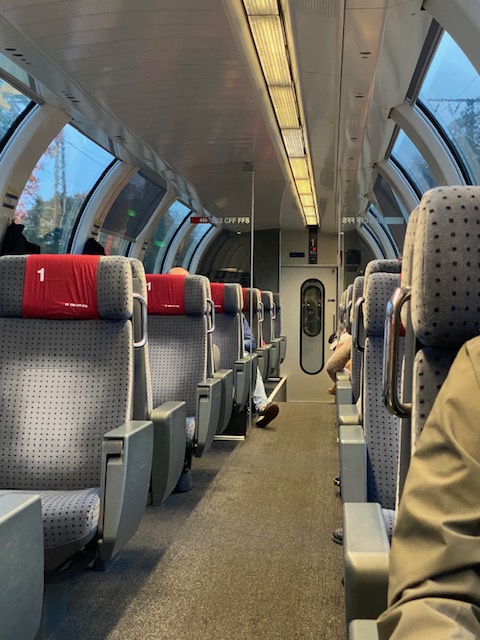
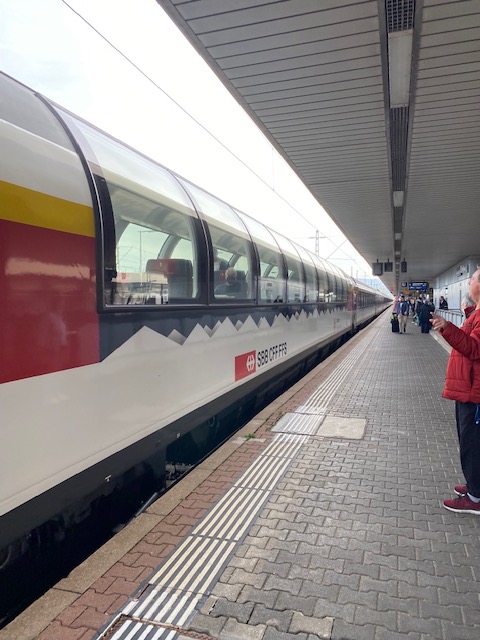

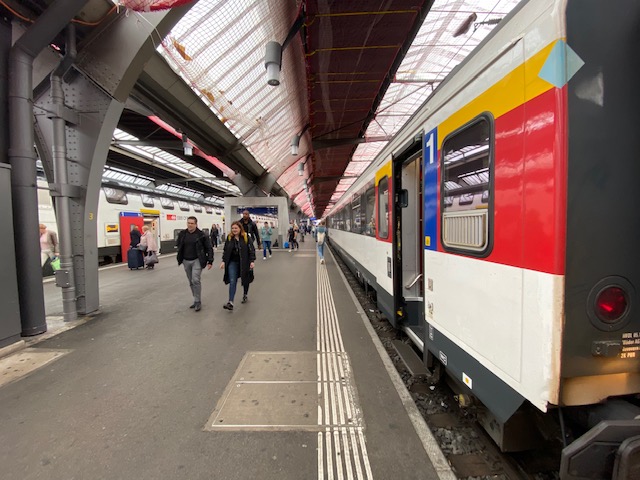

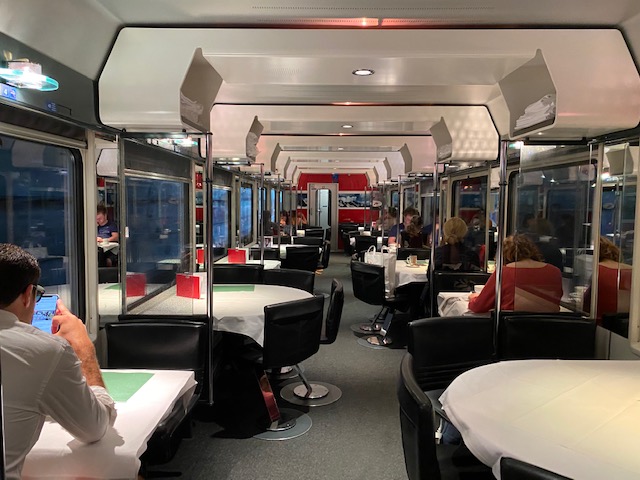
Introducing Switzerland
Switzerland, officially the Swiss Confederation, is a small yet immensely diverse country located in the heart of Europe, surrounded by Germany, Austria, Liechtenstein, Italy and France. Known for its stunning landscapes, rich cultural heritage, political neutrality, and robust economy, Switzerland is a prime example of a nation that punches well above its weight on the global stage.
Switzerland is a landlocked country that covers an area of about 41,290 km². Despite its modest size, it boasts an incredibly varied topography, characterized by three main regions: the Swiss Alps, the Central Plateau, and the Jura Mountains.
The Swiss Alps, which occupy roughly 60% of the country’s land area, are renowned for their breathtaking peaks such as the Matterhorn, Eiger, and Jungfrau. This mountainous region is a haven for winter sports enthusiasts, mountaineers, and hikers.
The Central Plateau, also known as the Swiss Mittelland, is the heart of Switzerland, home to major cities like Zurich, Geneva, Basel, and the capital, Bern.
This region features rolling hills, extensive farmlands, and numerous lakes, including Lake Geneva (Lac Léman), Lake Zurich (Zürichsee), and Lake Constance (Bodensee). It is the most densely populated and industrialized part of the country, serving as the economic and political core.
The Jura Mountains in the northwest form the border with France and are less rugged than the Alps but equally picturesque, characterized by their dense forests and high-altitude pastures. This region is known for its watchmaking industry and tranquil landscapes.
Switzerland’s climate varies significantly depending on the region and altitude. Generally, the country experiences a temperate climate with four distinct seasons.
Winters can be harsh in the mountainous regions, with substantial snowfall making it ideal for skiing and snowboarding. Summers are warm and often sunny, providing perfect conditions for hiking, swimming, and other outdoor activities. Spring and autumn offer mild weather and stunning natural beauty, with blooming flowers and colorful foliage respectively.
History
Switzerland’s history is marked by a unique blend of cultural influences and a gradual move towards a strong sense of independence and neutrality. The region now known as Switzerland was originally inhabited by Celtic tribes, most notably the Helvetii. With the Roman conquest in the first century BCE, the area saw significant infrastructure development and urbanization. Roman towns such as Aventicum (Avenches) and Augusta Raurica (near Basel) laid the foundations for future Swiss cities.
Following the fall of the Roman Empire, the area came under Frankish rule and later became part of the Holy Roman Empire.
The medieval period saw the rise of powerful local dynasties, such as the House of Zähringen, which founded several key cities, including Bern and Fribourg.
1291
The formation of the Swiss Confederation began in 1291. This pact was designed to ensure mutual defense against external threats and laid the groundwork for Switzerland’s enduring tradition of neutrality and direct democracy.
Throughout the Middle Ages and into the Renaissance, Switzerland’s confederation expanded as more cantons joined. The Protestant Reformation had a profound impact on the region, with leaders like Huldrych Zwingli in Zurich and John Calvin in Geneva shaping the religious landscape. Despite the internal religious conflicts, the Swiss maintained their autonomy and neutrality.
19th century
In the early 19th century, Switzerland faced external pressures during the Napoleonic Wars.
The Act of Mediation in 1803 restored the Swiss Confederation after a period of French occupation, leading to the creation of a more centralized state. The Congress of Vienna in 1815 solidified Switzerland’s neutrality, which has remained a cornerstone of its foreign policy ever since. The adoption of the Swiss Federal Constitution in 1848 established a federal state with a strong central government while preserving the autonomy of the cantons.
Political system
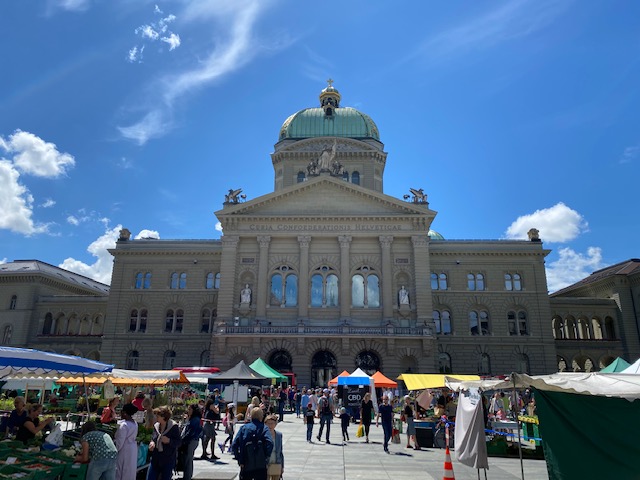
Switzerland’s political system is a federal directorial republic that uniquely emphasizes direct democracy. This system is characterized by a strong federal structure, where power is shared between the federal government, cantons, and municipalities.
The federal government consists of three branches: the Federal Council, the Federal Assembly, and the Federal Supreme Court.
The Federal Council serves as the executive branch and is composed of seven members elected by the Federal Assembly. Each member heads a federal department, and the presidency rotates annually among them.
The Federal Assembly, Switzerland’s bicameral parliament, includes the National Council (lower house) and the Council of States (upper house). The National Council represents the Swiss population, with members elected based on proportional representation, while the Council of States represents the cantons, with two representatives from each canton.
Switzerland’s judicial system is topped by the Federal Supreme Court, which serves as the highest judicial authority, ensuring the uniform application of federal law across the country.
Direct democracy is a fundamental aspect of the Swiss political system. Citizens have the right to propose legislation and amendments to the constitution (popular initiatives) and to challenge laws passed by the parliament (referendums). This system empowers citizens to have a direct say in their governance and ensures that the government remains responsive to the will of the people.
Economy
Switzerland boasts one of the world’s most stable and prosperous economies, characterized by high GDP per capita, low unemployment, and a highly skilled workforce. The country’s economic success is built on a foundation of diverse and innovative industries, strong financial institutions, and a favorable business environment.
The finance sector is a cornerstone of the Swiss economy, with Zurich and Geneva serving as global financial hubs. Switzerland is renowned for its banking sector, insurance companies, and financial services, which have earned a reputation for stability, privacy, and expertise. Swiss banks, such as UBS and Credit Suisse, are among the most influential in the world.
Manufacturing is another key pillar of the Swiss economy, particularly in precision instruments, machinery, chemicals, and pharmaceuticals. The country is home to leading multinational companies like Novartis, Roche, and Nestlé, which contribute significantly to its economic output. The Swiss watchmaking industry is globally recognized for its craftsmanship and innovation, with brands like Rolex, Omega, and Swatch epitomizing Swiss excellence.
Tourism plays a vital role in Switzerland’s economy, attracting millions of visitors annually to its picturesque landscapes, cultural festivals, and outdoor activities.
The Swiss Alps are a major draw for winter sports enthusiasts, while cities like Lucerne, Interlaken, and Montreux attract tourists year-round with their scenic beauty and cultural heritage.
Switzerland is also a leader in innovation and research, consistently ranking high in global innovation indices.
The country invests heavily in research and development, supported by world-class institutions like ETH Zurich and EPFL. This commitment to innovation has fostered a vibrant startup ecosystem and advanced sectors such as biotechnology, information technology, and renewable energy.
Culture
Switzerland’s cultural landscape is as diverse as its geography, influenced by its multilingualism and the blend of German, French, Italian, and Romansh traditions. The country’s cultural diversity is a source of pride and contributes to its rich heritage.
Switzerland has four official languages: German, French, Italian, and Romansh. German is the most widely spoken language, used by about 63% of the population, primarily in the central and eastern regions.
French is spoken by approximately 23% of the population, mainly in the western cantons. Italian is spoken by around 8% of the population, primarily in the southern canton of Ticino. Romansh, the least spoken of the four, is used by less than 1% of the population, primarily in the canton of Graubünden (Grisons).
This linguistic diversity is mirrored in Switzerland’s cultural traditions and festivals. The country hosts a variety of events that celebrate its rich heritage. For instance, the Fête de l’Escalade in Geneva commemorates the city’s victory over the Duke of Savoy‘s troops in 1602 with parades, music, and historical reenactments. The Basel Carnival, one of the largest and most vibrant carnivals in Switzerland, features parades, elaborate costumes, and traditional music. The Montreux Jazz Festival, an internationally renowned music event, attracts global artists and music enthusiasts every year.
Eating culture
Swiss cuisine reflects its cultural diversity, combining influences from German, French, and Italian culinary traditions. Iconic Swiss dishes include fondue, a melted cheese dish served with bread for dipping, and raclette, where cheese is melted and scraped onto boiled potatoes, pickles, and onions.
Rösti, a potato dish similar to hash browns, is another Swiss favorite.
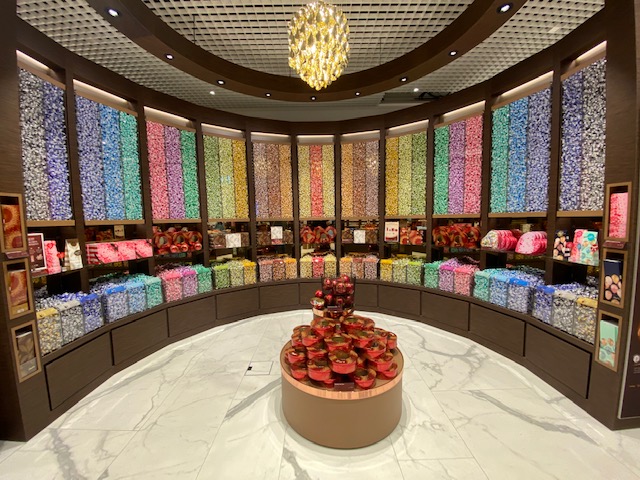
Chocolate is another hallmark of Swiss culinary heritage. Swiss chocolate, known for its high quality and smooth texture, is produced by renowned brands such as Lindt, Toblerone, and Nestlé. Many visitors indulge in chocolate tours and tastings at factories and artisanal shops throughout the country.
Swiss wines, though less known internationally, are gaining recognition for their quality. The vineyards of the Lavaux region, a UNESCO World Heritage site, produce some of the country’s finest wines, particularly white varieties such as Chasselas. Swiss beer and spirits, including the traditional kirsch (cherry brandy), also add to the country’s rich gastronomic landscape.



Tourism and key attractions
Switzerland is a top destination for tourists, offering a blend of natural beauty, historical sites, and cultural attractions. The country’s diverse landscapes provide a wide range of activities, from skiing and hiking in the Alps to exploring charming medieval towns and vibrant cities.
Zurich, the largest city in Switzerland, is a major financial center and cultural hub. Visitors can explore the Bahnhofstrasse shopping street, the historic Old Town, and the Zurich Opera House. The city also boasts numerous museums and art galleries, including the Kunsthaus Zurich, which houses an impressive collection of modern and contemporary art.
Geneva, known for its international diplomacy, is home to the United Nations and the Red Cross. The city’s key attractions include the Jet d’Eau, a large fountain in Lake Geneva, the Saint-Pierre Cathedral, and the International Red Cross and Red Crescent Museum. Geneva’s cosmopolitan atmosphere and beautiful lakeside setting make it a popular destination for tourists.
Bern, the capital city of Switzerland, has a well-preserved medieval Old Town that is a UNESCO World Heritage site. Visitors can explore the Zytglogge clock tower, the Federal Palace, and the Bear Park. Bern’s charming cobbled streets, historical buildings, and vibrant cultural scene make it a must-visit destination.
Lucerne, located in the heart of the canton of Lucerne, and centrally located in Switzerland, is known for its picturesque setting on Lake Lucerne, framed by the stunning backdrop of the Swiss Alps. The city’s landmark Chapel Bridge (Kapellbrücke), a covered wooden bridge dating back to the 14th century, is a highlight for visitors.
The adjacent Water Tower and the poignant Lion Monument, which commemorates Swiss Guards who died during the French Revolution, are also significant historical attractions. Lucerne hosts numerous cultural events, including the Lucerne Festival, which draws classical music enthusiasts from around the world. And don’t forget the Swiss Transport Museum there.
Interlaken, nestled between Lake Thun and Lake Brienz, is a gateway to the Jungfrau region. Known for its adventure sports, Interlaken offers activities such as paragliding, skydiving, and skiing.
The Jungfraujoch, known as the ‘Top of Europe‘, is accessible via a cogwheel train and provides breathtaking views of the Aletsch Glacier and surrounding peaks. The nearby Trummelbach Falls, a series of waterfalls inside a mountain, is another natural wonder attracting visitors.
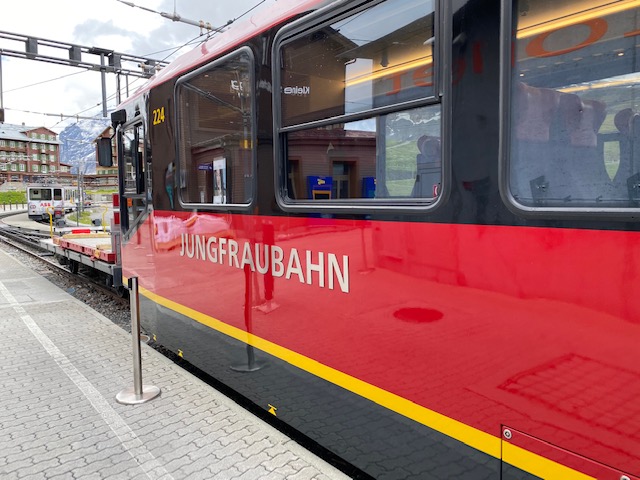


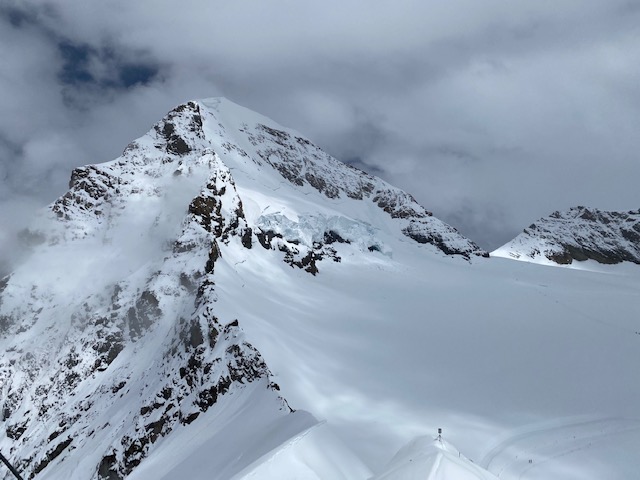
Zermatt, located at the base of the Matterhorn, is a car-free village renowned for its skiing and mountaineering. The Matterhorn Glacier Paradise, the highest cable car station in Europe, offers panoramic views of the Alps. In summer, Zermatt is a haven for hikers, with trails that range from leisurely walks to challenging alpine climbs. The Gornergrat Railway, one of the highest railways in Europe, provides scenic views of the Matterhorn and the surrounding peaks.
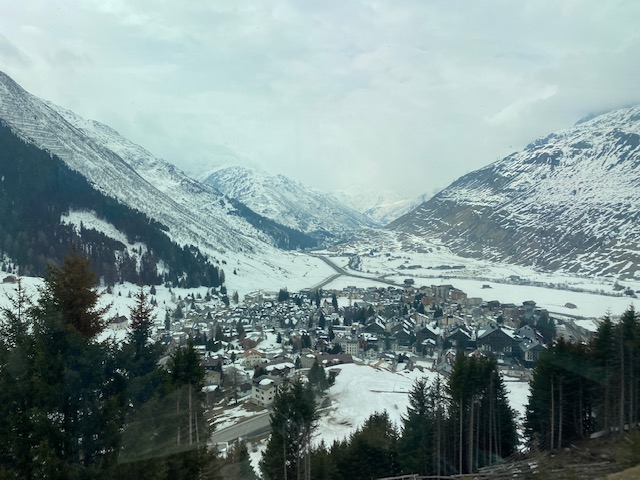
Sankt Moritz, a luxurious resort town in the Engadin valley, is synonymous with high-end tourism and winter sports. Known for hosting the Winter Olympics twice, Sankt Moritz offers world-class skiing, snowboarding, and bobsledding. The town is also famous for its mineral springs, which have been attracting visitors for over 3,000 years. In summer, Sankt Moritz transforms into a paradise for hikers, bikers, and sailors on its pristine lakes.







Cultural events and festivals
Switzerland’s calendar is filled with a variety of cultural events and festivals that reflect its rich traditions and contemporary creativity. The Montreux Jazz Festival, held every July on the shores of Lake Geneva, is one of the world’s most prestigious music festivals, featuring performances by top international artists across various genres. The Locarno Film Festival, held in August in the Italian-speaking canton of Ticino, is one of the oldest film festivals in the world and is renowned for showcasing independent and avant-garde films.
The Fête de l’Escalade in Geneva celebrates the city’s defense against a surprise attack by the Duke of Savoy’s troops in 1602. This event is marked by historical reenactments, parades, and the consumption of chocolate cauldrons. In Basel, the Fasnacht carnival, Switzerland’s largest, transforms the city with colorful parades, elaborate costumes, and traditional music, attracting visitors from around the globe.
Alpine traditions are celebrated through events like the Alpabzug, where cows adorned with flowers and bells are herded down from mountain pastures to the valleys in autumn. The Grindelwald World Snow Festival, where artists from around the world create intricate ice and snow sculptures, and the Davos World Economic Forum, which brings together global leaders to discuss economic and political issues, also highlight Switzerland’s diverse cultural and intellectual contributions.
Transportation and accessibility
Switzerland’s transportation network is highly efficient and well-connected, making it easy for visitors to explore the country.
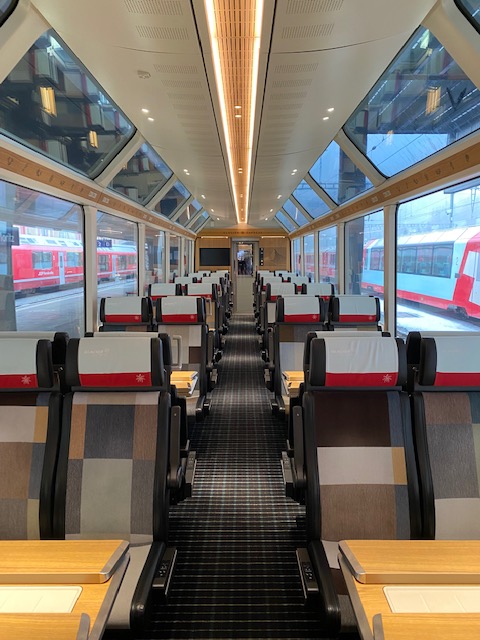
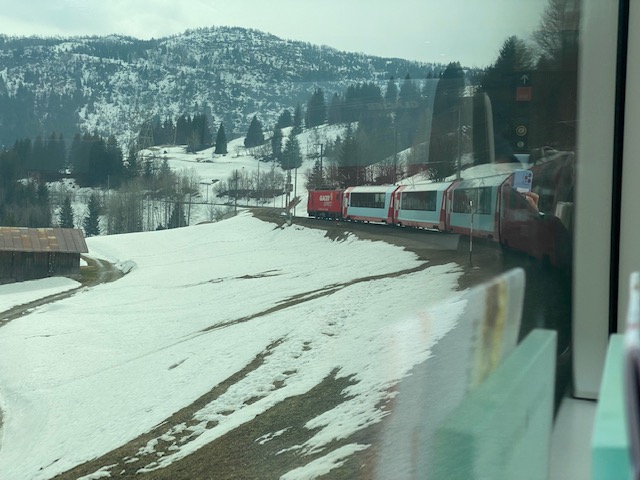
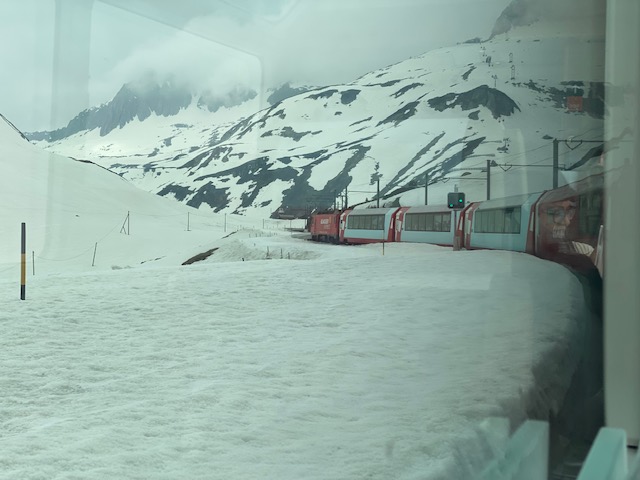
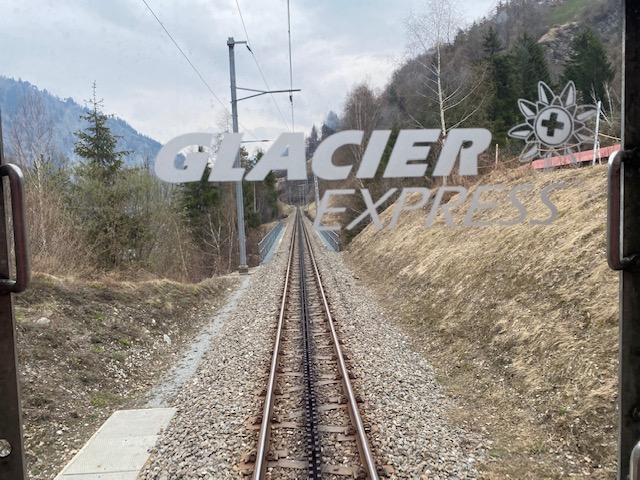
The Swiss Travel System offers a range of passes that provide unlimited travel on the country’s extensive network of trains, buses, and boats. The scenic train routes, such as the Glacier Express, the Bernina Express, and the GoldenPass Line, offer breathtaking views of the Swiss countryside and mountains.
Switzerland’s major cities are served by international airports in Zurich, Geneva, and Basel, with excellent rail and road connections to the rest of the country. The Swiss Federal Railways (SBB-CFF-FFS) operates one of the most punctual and reliable train services in the world, ensuring seamless travel across the country.
Don’t forget that Switzerland has a myriad of public transport companies, not only the SBB-CFF-FFS. But ticketing is straightforward.
Environmental sustainability
Switzerland is a global leader in environmental sustainability, with stringent policies aimed at protecting its natural landscapes and reducing its carbon footprint. The country has invested heavily in renewable energy, particularly hydroelectric power, which accounts for a significant portion of its electricity production.
Switzerland’s commitment to sustainable tourism is evident in initiatives that promote eco-friendly travel, conservation efforts in national parks, and support for local communities.
The Swiss are also known for their recycling and waste management practices, with one of the highest recycling rates in the world. Public awareness campaigns and strict regulations encourage citizens and businesses to minimize waste and promote sustainable practices.
People
Swiss people are known for a variety of distinctive traits and contributions that have garnered international recognition.
One of the most prominent characteristics is their precision and craftsmanship, particularly in watchmaking. Swiss watches, such as those produced by Rolex, Patek Philippe, and Swatch, are renowned for their quality, accuracy, and innovative designs. This meticulous attention to detail is also evident in other industries, such as precision engineering and pharmaceuticals, where companies like Novartis and Roche lead globally in medical advancements and drug production.
Switzerland’s tradition of political neutrality and diplomacy is another defining feature. The country has not been involved in any military conflict since 1815 and is the host of numerous international organizations, including the International Red Cross and various United Nations agencies in Geneva. This commitment to neutrality and humanitarian efforts underscores the Swiss dedication to global peace and cooperation.
The Swiss are known to be strict and punctual. Swiss trains are famously very punctual. The strictness translates itself in social control. If you overtly don’t follow the rules, your fellow citizens will call you out.
The Swiss are also known to be very keen on cleaning, certainly in the German-speaking side. The Francophones love to make fun of this trait.
The Swiss are seen to be insular in a way. The system of direct democracy leeds to conservative politics, in sensu stricto. They like to keep things they way they are. So Switzerland will not join the European Union and the country was slow to recognize same-sex relationships as being as valid and thus as legally recognized as heterosexual relationships.
Expensive
Switzerland’s high cost of living can be attributed to a combination of several factors. One significant reason is the country’s high wage levels. Swiss workers earn some of the highest salaries globally, which increases labor costs and subsequently raises the prices of goods and services.
This high wage environment ensures a comfortable living standard but also means everyday expenses are higher. This also means Switzerland us eyewateringly expensive for tourists.
Another critical factor is the strength of the Swiss franc, a stable and strong currency. While this benefits Swiss consumers by enhancing their purchasing power abroad, it also means that imports into Switzerland are more expensive for people using other currencies. This strong currency attracts investors, which maintains high price levels domestically.
The quality of life in Switzerland is exceptionally high, with excellent healthcare, education, public services, and infrastructure. Maintaining such high standards is costly, and these expenses are reflected in the overall cost of living.
Real estate prices are also a major contributor, especially in cities like Zurich, Geneva, and Basel. The limited availability of land coupled with high demand drives property prices up, which in turn increases rental and housing costs.
Taxation and regulatory factors also play a role. Although Switzerland is known for relatively low corporate taxes, it imposes significant taxes and fees on goods and services. The country enforces strict regulations and high standards for products, leading to increased production and compliance costs.
Additionally, Switzerland imports many of its goods, and the associated tariffs and transportation costs are passed on to consumers. The country’s landlocked geography further adds to these import costs.
Social security contributions are another factor. Both employers and employees contribute substantially to social security, health insurance, and pension schemes, increasing the overall labor costs. Switzerland’s economic and political stability make it an attractive destination for businesses and wealthy individuals, driving up demand for limited resources and real estate, which further elevates prices.
Moreover, the high demand for luxury goods and services among the affluent residents also contributes to the overall cost structure. The emphasis on high quality and precision in Swiss products and services ensures superior offerings but at higher prices.
All these factors together create an environment where the cost of living is significantly higher than in many other countries, establishing Switzerland as one of the most expensive places in the world.

Conclusion
Switzerland’s allure lies in its harmonious blend of natural beauty, cultural richness, economic stability, and political neutrality. From its majestic Alps and serene lakes to its vibrant cities and charming villages, Switzerland offers a diverse range of experiences for visitors. The country’s commitment to innovation, sustainability, and quality of life makes it a model for others to follow.
Whether you are drawn by the promise of adventure, the allure of history and culture, or the desire for relaxation and luxury, Switzerland has something to offer everyone. This small but mighty nation continues to captivate and inspire, embodying the best of what the world has to offer.
In short
In short, Switzerland is a wonderful travel destination. Its punctuality, practicality and cleanliness make it a dream destination… but it t’s so eyewateringly expensive. The Swiss are masters at country marketing. Swissness is sold everywhere and its design is seen everywhere. The flag, of course, is a grateful logo.
2013 Grand Tour of Switzerland
In 2013 Danny went on a Grand Tour of Switzerland by rail.
- Brussels – Luxembourg – Strasbourg – Basel;
- The old Gotthard Line;
- Locarno to Brig, via the Centovalli, through Italy and the Simplon Tunnel;
- Brig to Zermatt on the Mattherhorn and Gotthard Bahn;
- Gornergratbahn;
- Matterhorn Glacier Paradise;
- Zermatt to Interlaken;
- Jungfrau;
- First cable car;
- Schilthorn Mountain and Trümmelbach Falls;
- Schynige Platte Bahn;
- Meiringen and the Reichenbach Falls;
- Zentralbahn to Lucerne and Engelberg;
- Lucerne and Kussnacht am Rigi;
- Rigi Mountain and Schwyz.
Danny touring Switzerland in 2018
- Milan – Bernina – Sankt Moritz;
- Hotel Soldanella Sankt Moritz;
- Albula, Furka and Loetschberg passes;
- Waldhotel Doldenhorn Kandersteg;
- The Golden Pass line;
- Golf Hôtel René Capt Montreux;
- Swiss Riviera;
- Lake Geneva and Geneva;
- InterContinental Geneva;
- TGV Lyria.
Timothy going to Switzerland in 2018, 2019 and 2020
- Antwerp to Zug by train;
- PHOTOS | Zug city tour;
- PHOTOS | Swiss Museum of Transport Verkehrshaus in Lucerne;
- VIDEO | Pilatus-Bahn – Mount Pilatus cogwheel railway in Switzerland;
- VIDEO | Gotthard Pass and Old Gotthard Tunnel in Switzerland;
- Landesmuseum Zürich and Zürich itself;
- Paris – Geneva – Lausanne with TGV Lyria first class on an Alstom TGV Duplex;
- REVIEW | Tralala Hotel Montreux;
- VIDEO | Snow white GoldenPass Line ride from Montreux to Zweisimmen, Interlaken and Lucerne in Switzerland;
- VIDEO | Mythical Mythen, Schwyz, Switzerland;
- Zürich – Frankfurt – Brussels with Deutsche Bahn’s ICE high speed trains;
- Antwerp – Brussels – Cologne – Basel – Zürich – Zug by train;
- Château de Gruyères Castle in Switzerland’s Fribourg canton;
- VIDEO | La Maison du Gruyère – Gruyère House in Gruyères, Fribourg, Switzerland;
- Walking on a frozen lake at Valbella and Lenzerheide (Lai) in Grisons, Switzerland;
- SWITZERLAND | Jungfraujoch, Europe’s highest railway station;
- SWITZERLAND | Rapperswil-Jona, Town of Roses;
- SWITZERLAND | Einsiedeln and its Abbey;
- EUROCITY EC-8 | Zürich to Cologne in SBB’s Panoramic Car;
- Bearhunting in Bern;
- Antwerp to Zug: the Frankfurt – Zurich Business Route;
- SWITZERLAND | Lindt Home of Chocolate in Kilchberg, canton Zurich;
- Kunsthaus Zürich art museum;
- ZUG | ‘Neuer Zuger Trail’ art and architecture walking rally by smartphone;
- Coping with train delays and cancellations: Zug – Antwerp when everything goes wrong.
2022 Train Tour of Switzerland ft. Circuit Zandvoort and the Mont-Blanc Express
- Zandvoort, home of the Formula 1 Dutch Grand Prix.
- REVIEW | ÖBB Nightjet Amsterdam – Zurich night train.
- SWITZERLAND 2022 | Thun and Thun Castle.
- SWITZERLAND 2022 | The Lausanne Métro.
- REVIEW | Hotel du Raisin in Lausanne.
- SWITZERLAND 2022 | The Vineyard Terraces of Lavaux in Vaud.
- SWITZERLAND 2022 | Two days in Lausanne.
- Romandy.
- SWITZERLAND 2022 | Sankt Moritz.
- REVIEW | Hotel Arte in Sankt Moritz.
- SWITZERLAND | The Glacier Express from Sankt Moritz to Brig (and to Zermatt).
- SWITZERLAND | The Grisons or Graubünden.
- SWITZERLAND 2022 | Thurbo Seelinie, discovering Switzerland’s northern lake route.
- SWITZERLAND 2022 | Sankt Gallen.
- SWITZERLAND 2022 | Voralpen-Express: Sankt Gallen – Rapperswil – Lucerne.
- MONT-BLANC EXPRESS | Linking Martigny, Chamonix and Saint-Gervais-les-Bains in the Alps.
- REVIEW | Urban Hôtel & Spa in Aix-les-Bains.
- Switzerland 2022.
- EUROCITY EC-52 | Milan to Basel (and to Frankfurt) via the Simplon Tunnel.
- SWITZERLAND | Basel during Herbstmesse.
- REVIEW | Hyperion Basel.
- EUROCITY EC-8 | Basel to Cologne in SBB’s Panoramic Car.
Eurovision Song Contest 2025 in Switzerland
- SWITZERLAND | Introducing Geneva.
- SWITZERLAND | Introducing Basel.
- SWITZERLAND | Introducing Sankt Gallen.
- SWITZERLAND | Introducing Bern.
- SWITZERLAND | Introducing Zurich.
- SWITZERLAND | Introducing Lucerne.
- SWITZERLAND | Introducing Lausanne.
- SWITZERLAND | Biel/Bienne, Lugano and Fribourg named as potential 2025 Eurovision Contest host cities.
- SWITZERLAND | Eurovision Song Contest 2025 to be held in Basel or Geneva.
 Trip By Trip
Nice job. Great writing here and love the pictures as well. Thanks for sharing.
LikeLiked by 1 person
Thank you Steve!
LikeLiked by 1 person